

Thrombocytopenia means your blood platelet count is too low. Platelets are the cells that help your blood clot, so a low count raises your risk of bruising and bleeding. Treatment depends entirely on what is causing the low count. There is no single fix that works for everyone. The right approach starts with identifying the underlying cause, and that determines whether you need medication, a procedure, or simply monitoring.
What Is A Normal Platelet Count And When Is It Dangerous?
A normal platelet count ranges from 150,000 to 450,000 platelets per microliter of blood. Thrombocytopenia is diagnosed when the count falls below 150,000. Most people do not have symptoms until the count drops below 50,000, and serious bleeding becomes more likely below 20,000.
Mild thrombocytopenia often needs no treatment at all. Your doctor may simply watch the count over time. Moderate cases may require treatment depending on the cause and your overall health. Severe cases, especially with active bleeding, require urgent medical care.
The danger level is not just about the number. It also depends on how fast the count dropped and whether you have other conditions that affect bleeding risk. A slow decline to 80,000 may be less urgent than a rapid drop from normal to 30,000 in a few days.
How To Treat Thrombocytopenia Based On The Cause
The cause of your low platelets is the single most important factor in choosing treatment. The three main mechanisms are decreased production, increased destruction, and trapping of platelets in the spleen. Each requires a different approach.
When the bone marrow does not make enough platelets, treatment targets the underlying marrow problem. When the immune system destroys platelets, treatment suppresses that immune response. When the spleen traps too many platelets, treatment may involve addressing the spleen condition itself.
Your doctor will run blood tests, review your medications, and sometimes order a bone marrow biopsy to determine which mechanism is at work. Treatment cannot be chosen without this information.
Treatment For Decreased Platelet Production
If your bone marrow is not producing enough platelets, the cause is often a bone marrow disorder, chemotherapy, radiation, or nutritional deficiency. Treatment focuses on the root problem.
Vitamin B12 and folate deficiencies are treatable causes of low platelet production. Supplementation typically restores normal production within weeks. Your doctor can test for these deficiencies with a simple blood draw.
Chemotherapy and radiation suppress bone marrow activity. Platelet counts usually recover on their own after treatment ends. In the meantime, platelet transfusions can provide temporary support if the count drops dangerously low.
Bone marrow disorders like leukemia, myelodysplastic syndromes, or aplastic anemia require specialized treatment. Options include medications that stimulate marrow production, immunosuppressive therapy, or stem cell transplantation. These are complex conditions managed by hematologists.
Some medications suppress platelet production as a side effect. Common culprits include certain antibiotics, seizure medications, and diuretics. Stopping the offending drug often allows the count to recover, but never stop a prescribed medication without talking to your doctor first.




Treatment For Immune-Mediated Platelet Destruction
Immune thrombocytopenia, previously called idiopathic thrombocytopenic purpura, is a condition where the immune system mistakenly attacks platelets. It is one of the most common causes of isolated low platelet counts in otherwise healthy adults.
First-line treatment is usually corticosteroids like prednisone. These drugs reduce immune activity and slow platelet destruction. Many people respond within one to two weeks, though the response can be temporary.
If steroids do not work or the count drops again after stopping them, other options include intravenous immunoglobulin, anti-D immunoglobulin, or thrombopoietin receptor agonists. These drugs work through different mechanisms and are chosen based on your specific situation.
In severe cases that do not respond to medication, surgical removal of the spleen may be considered. The spleen is a major site of platelet destruction in this condition. Removing it eliminates that destruction, but it increases lifelong infection risk and requires vaccination beforehand.
Rituximab is another option that targets specific immune cells. It is not first-line treatment but may be used when other therapies fail. Some research supports its use, though response rates vary.
Treatment For Platelet Trapping In The Spleen
An enlarged spleen can trap platelets, removing them from circulation even though production is normal. This is called hypersplenism. It often accompanies liver disease, particularly cirrhosis, or blood disorders like myelofibrosis.
Treatment focuses on the underlying condition causing the spleen enlargement. In liver disease, managing the liver condition may reduce spleen size over time. In some cases, treating portal hypertension can help.
Splenectomy is sometimes considered when trapping is severe and other treatments fail. However, this is a major decision because the spleen performs important immune functions. Removing it increases the risk of certain bacterial infections.
Platelet transfusions are less effective in this situation because the spleen quickly removes the transfused platelets. This is why treating the underlying cause matters more than transfusion alone.
Treatment For Drug-Induced Thrombocytopenia
Many medications can cause low platelet counts. The most common culprits include heparin, certain antibiotics like vancomycin and linezolid, antiepileptic drugs, and some heart medications. Chemotherapy drugs are also a frequent cause.
The first step is identifying and stopping the offending medication. This is often enough to allow recovery. Platelet counts typically begin rising within days to a week after the drug is eliminated from your system.
Heparin-induced thrombocytopenia is a special case. This condition is caused by antibodies against a complex formed by heparin and platelet factor 4. It is paradoxically associated with blood clots, not just bleeding. If you develop this condition, heparin must be stopped immediately and replaced with an alternative anticoagulant.
Never stop a prescribed medication on your own. Always consult your doctor first. Some medications cannot be safely discontinued without a replacement, and your doctor needs to confirm the medication is actually the cause.
Treatment For Gestational Thrombocytopenia And Pregnancy
Mild thrombocytopenia affects about five percent of pregnancies. Most cases are benign and require no treatment. Gestational thrombocytopenia typically causes a mild drop in platelets and resolves after delivery.
More serious causes during pregnancy include preeclampsia, HELLP syndrome, and immune thrombocytopenia. These require careful management by an obstetrician and hematologist together.
Corticosteroids and intravenous immunoglobulin are generally considered safe options for immune thrombocytopenia during pregnancy. However, medication choices must balance maternal health against fetal risks. Platelet transfusions are reserved for delivery or active bleeding.
No clinical guidelines currently exist that recommend routine treatment for mild gestational thrombocytopenia. Monitoring is the standard approach when the count stays above 70,000 to 80,000 and there are no complications.
When To Seek Emergency Care
Certain symptoms require immediate medical attention. These include bleeding that does not stop, blood in urine or stool, coughing up blood, severe headaches, or any neurological changes. These could indicate internal bleeding.
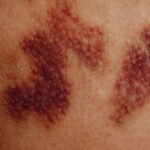
Petechiae are tiny red or purple dots on the skin caused by bleeding under the surface. They often appear on the lower legs. Easy bruising and prolonged bleeding from minor cuts are also signs that your platelet count may be low.
If you have a known low platelet count and develop any of these symptoms, contact your healthcare provider right away. Do not wait for a scheduled appointment.
Lifestyle Considerations With Low Platelets
While lifestyle changes do not treat the underlying cause, they can reduce bleeding risk while your count is low. Avoid activities with high injury risk. Use a soft toothbrush and shave with an electric razor instead of a blade.
Avoid alcohol if your liver is involved, as alcohol can worsen both liver function and platelet production. Talk to your doctor before taking over-the-counter pain relievers like aspirin or ibuprofen, as these can interfere with platelet function.
No dietary supplement has been proven to raise platelet counts in clinical trials. Be cautious with supplements that claim otherwise. Some supplements, like high-dose fish oil and certain herbs, may actually increase bleeding risk.
The evidence for specific foods raising platelet counts is limited. A balanced diet supports overall health but should not be expected to correct thrombocytopenia on its own.
Frequently Asked Questions
What is the fastest way to raise platelet count?
Platelet transfusion raises the count immediately but only lasts a few days. For a sustained increase, treatment must target the underlying cause, and that takes time.
Can thrombocytopenia go away on its own?
Yes, if it is caused by a temporary situation like a viral infection or a medication that is stopped. Chronic causes like immune thrombocytopenia or bone marrow disorders usually require ongoing treatment.
What foods should I avoid with low platelets?
There is no specific food that must be avoided, but alcohol can impair platelet production and function. Ask your doctor about fish oil and high-dose vitamin E, as these may increase bleeding risk.
Is thrombocytopenia a sign of cancer?
Sometimes, but it is not the most common cause. Low platelets can indicate leukemia or other marrow disorders, but they are more often caused by medications, immune conditions, or liver disease. Your doctor will determine the cause with blood tests and possibly a bone marrow biopsy.
