
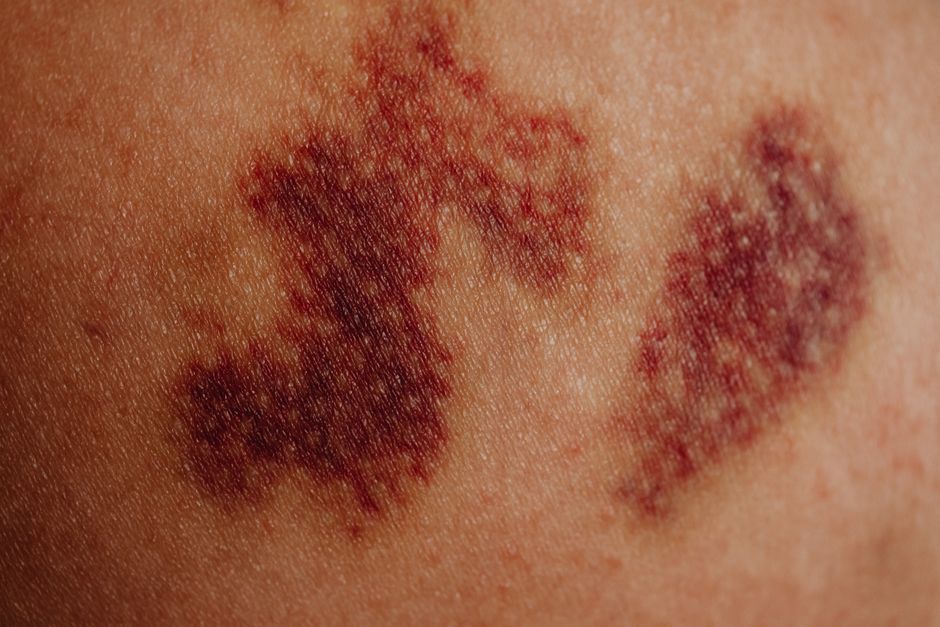
A bruised lip looks alarming, but most lip bruises are minor injuries that heal on their own within a week or two. The treatment is straightforward: apply cold early, switch to gentle warmth later, and protect the area from further irritation. You should worry if the bruise follows a hard fall or blow to the face, if it expands rapidly, if it interferes with breathing or eating, or if it shows signs of infection like spreading redness, pus, or fever.
What Actually Happens When You Bruise Your Lip
A bruise forms when small blood vessels under the skin break. Blood leaks into the surrounding tissue, which is why the area turns purple, blue, or black. The lip is especially prone to bruising because the skin there is thin and the blood supply is rich.
The color changes you see over the following days are normal. Hemoglobin in the trapped blood breaks down and changes color as it is reabsorbed. A bruise may shift from red to purple to greenish-yellow before fading. This is a sign that healing is progressing, not a reason for concern.
Swelling often accompanies the bruise because the injury triggers an inflammatory response. Fluid and immune cells rush to the area to begin repair. This swelling usually peaks within the first 24 to 48 hours and then gradually subsides.
How To Treat A Bruise On Your Lip And When To Worry
For a typical lip bruise, start treatment immediately. Ice is the most effective first step. Wrap ice or a frozen gel pack in a clean cloth — never apply ice directly to skin — and hold it against the lip for 10 to 15 minutes at a time. Repeat this every few hours during the first day. Cold constricts blood vessels, which limits the amount of blood that leaks into the tissue and reduces swelling.
After the first 48 hours, switch to gentle warmth. A warm, damp cloth applied for 10 minutes a few times a day can help increase blood flow and speed the reabsorption of the trapped blood. This is a mild effect, but it can make the bruise fade a bit faster.
Keep the area clean. Wash gently with mild soap and water. If the skin is broken, apply a thin layer of antibiotic ointment and keep it covered with a clean bandage. Change the bandage daily.
Avoid anything that re-injures the lip. Do not pick at the bruise or try to “pop” it. Avoid spicy, salty, or acidic foods that may sting. Drink through a straw if sipping from a cup irritates the area. Sleep with your head slightly elevated on an extra pillow for the first night or two to reduce swelling.
When A Lip Bruise Needs Medical Attention
Most lip bruises heal without any medical care. But some situations require prompt evaluation. Seek medical attention if the bruise was caused by a significant impact — such as a fall from height, a bicycle accident, a sports collision, or a blow to the face — because there may be injury beneath the bruise that is not visible from the outside.
Watch for these warning signs:
- The bruise continues to expand after 24 hours
- Swelling is severe or makes it hard to breathe
- You cannot open your mouth fully or your teeth do not line up normally
- There is a deep cut that may need stitches
- Numbness that does not resolve
- Signs of infection: spreading redness, warmth, pus, or fever
- The bruise does not improve after two weeks
Bruising on the lip can also be a sign of a broken tooth or damage to the jaw joint, even if nothing looks obviously wrong. If you have pain when biting down or persistent pain that worsens rather than improves, see a dentist or doctor.




How Long Does A Lip Bruise Take To Heal
A typical lip bruise fades noticeably within 5 to 7 days. Complete resolution usually takes 10 to 14 days. The timeline depends on the severity of the injury and your individual healing response.
You should see gradual improvement each day. Swelling should peak in the first two days and then decline. The bruise color should shift from dark to lighter shades. If the bruise looks unchanged after a week, or if pain worsens rather than improves, have it evaluated.
Repeated bruising in the same spot, or bruising that appears without any known injury, is different. If you notice lip bruises that you cannot explain, or if you bruise very easily and frequently, that warrants a medical discussion. Unexplained bruising can sometimes indicate an underlying blood disorder or a medication side effect, particularly from blood thinners.
Home Care Mistakes To Avoid
Some popular home remedies can actually make a lip bruise worse. Arnica gel and topical vitamin K are sometimes used for bruising, but evidence for their effectiveness is limited, and they can irritate sensitive lip skin. No large human trials have confirmed that these products meaningfully speed bruise resolution.
Do not apply heat during the first 48 hours. Heat increases blood flow and can make swelling and discoloration worse. Ice only during the early phase.
Do not massage the bruise. Firm pressure or rubbing can break more blood vessels and extend the bruise. Gentle pressure with ice is fine, but active massage is not recommended.
Do not use aspirin or ibuprofen for the pain if you are trying to minimize bruising. These medications thin the blood and can prolong bleeding into the tissue. Acetaminophen (Tylenol) is a reasonable choice for pain if you need something, but check with a pharmacist if you have liver concerns or take other medications.
What A Bruised Lip Looks Like When It Is Healing Normally
Normal healing follows a fairly predictable pattern. Day one: the lip is swollen, red, and tender. Days two to three: the bruise darkens to purple or blue and swelling peaks. Days four to seven: the color shifts to green or yellow as the blood breaks down, and swelling visibly decreases. Days seven to fourteen: the color fades completely and the lip returns to normal.
Some mild peeling or dryness is normal as the skin repairs itself. Keep the area moisturized with a plain lip balm or petroleum jelly. Avoid picking at peeling skin, which can reopen the injury.
If the bruise is accompanied by a small scab from a break in the skin, that scab will typically fall off within a few days. Keep it clean and moist to minimize scarring.
When Bruising Signals A Bigger Problem
A lip bruise itself is rarely dangerous. What matters is the cause and what else is happening. If you hit your head, lost consciousness, or feel confused after the injury, that is a medical emergency regardless of how the lip looks. Head injuries require immediate evaluation.
If you take blood thinners such as warfarin, apixaban, or rivaroxaban, any bruise deserves extra attention. These medications can make bleeding more extensive than it would otherwise be. A seemingly minor lip injury can produce significant swelling that affects breathing or eating. Contact your healthcare provider if you are on blood thinners and sustain any facial injury.
Children who bruise their lips from falls are common, and most are minor. But a bruise on a child’s lip from a fall that seems out of proportion to the injury, or bruising that appears in patterns, should be discussed with a pediatrician. If there is any concern about non-accidental injury, healthcare providers have a responsibility to investigate.
Frequently Asked Questions
Should I ice or heat a bruised lip?
Ice for the first 48 hours to reduce swelling and limit blood spread. After 48 hours, switch to gentle warmth to help the bruise fade.
How long does a lip bruise take to heal?
Most lip bruises fade noticeably within 5 to 7 days and fully resolve in 10 to 14 days. Seek medical care if there is no improvement after a week.
Can I pop a bruise on my lip?
No. Popping or picking at a bruise can break more blood vessels and increase the risk of infection. Let it heal on its own.
When should I see a doctor for a bruised lip?
See a doctor if the bruise was caused by a significant impact, if swelling makes breathing hard, if teeth do not line up, or if signs of infection like spreading redness or fever appear.
