
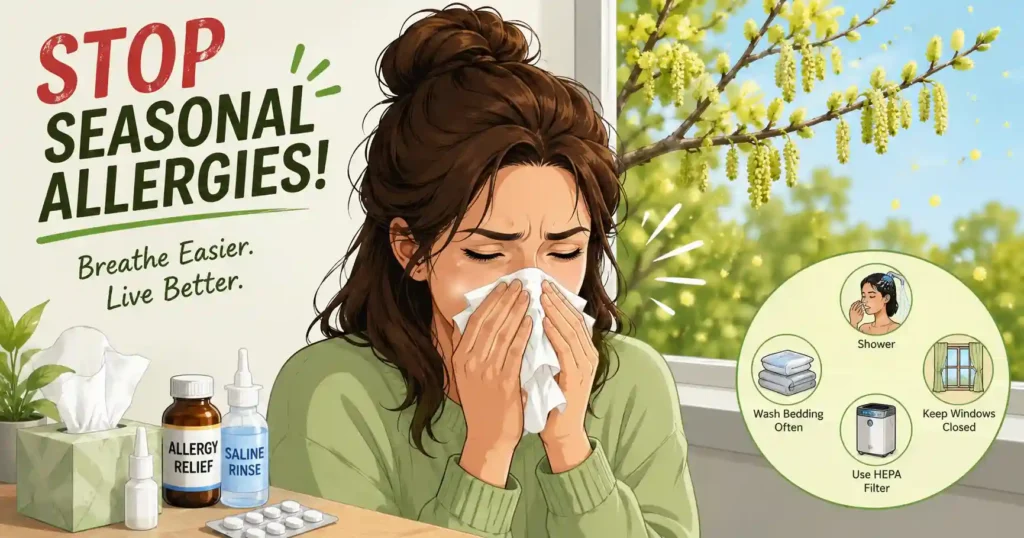
Seasonal allergies happen when your immune system overreacts to pollen from trees, grass, or weeds. The most effective treatment usually combines reducing pollen exposure, using the right medications correctly, and starting treatment before symptoms peak. Many people focus only on symptom relief, but prevention and timing matter just as much.
Every spring, allergy content floods the internet with miracle fixes and vague “boost your immunity” advice. Most of it skips the part people actually need: what works fast, what works slowly, and why some treatments fail even when they technically work.
⚡ Key Takeaways:
- Nasal steroid sprays work best preventively, not instantly.
- Indoor pollen exposure is often underestimated.
- Nighttime symptoms usually involve bedroom allergen buildup.
- Saline rinses help because they remove allergens physically.
- Many “natural remedies” have weaker evidence than people assume.
- Timing and exposure control matter as much as medication.
What causes seasonal allergies?
Seasonal allergies, also called hay fever or allergic rhinitis, happen when the immune system mistakes harmless pollen for a threat. That reaction triggers the release of histamine and other inflammatory chemicals.
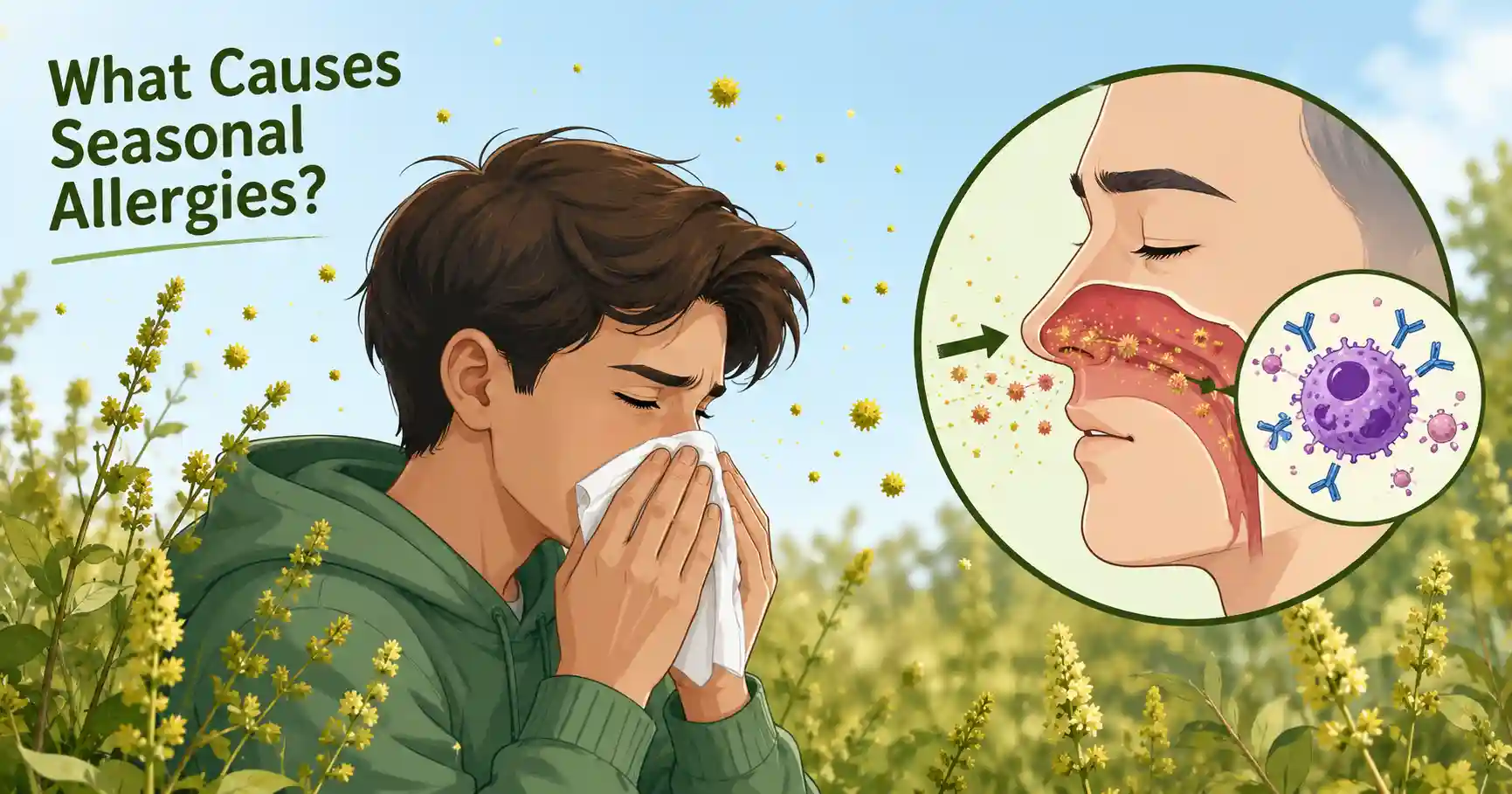
Research from the American Academy of Allergy, Asthma & Immunology shows pollen counts and exposure patterns vary by region and weather. Warm, windy days often make symptoms worse.
⚡ Quick Takeaway: Seasonal allergies are driven by an immune overreaction to pollen, but indoor pollen buildup often keeps symptoms going longer than most people expect.
What are the fastest ways to treat seasonal allergies?
The fastest symptom relief usually comes from combining several approaches instead of relying on one “magic” remedy.
Fastest short-term relief options
| Treatment | Best For | How Fast It Works | Common Problem |
|---|---|---|---|
| Antihistamines | Sneezing, itching, runny nose | Within hours | Some cause drowsiness |
| Nasal steroid sprays | Congestion and inflammation | Several days | People quit too early |
| Saline rinses | Thick mucus and pollen removal | Immediate | Incorrect technique |
| Showering after outdoor exposure | Nighttime symptoms | Immediate | Most people forget |
| HEPA air filters | Indoor pollen reduction | 1–3 days | Poor room placement |
One of the biggest misunderstandings involves nasal steroid sprays. They are preventive medications, not instant relief sprays.
Many people use them like this:
- Symptoms explode
- They use the spray once
- Nothing changes in six hours
- They stop using it
That is why people think these sprays “don’t work.”
In reality, steroid sprays reduce inflammation gradually. Current research and guidance from the American College of Allergy, Asthma & Immunology suggest they work best when started before pollen season peaks.
Another overlooked issue is rebound congestion from overusing decongestant nasal sprays. Products like oxymetazoline can help briefly, but using them for too long may worsen congestion after several days.
⚡ Quick Takeaway: Fast allergy relief usually comes from combining antihistamines, nasal sprays, and pollen reduction strategies instead of depending on one treatment alone.
Why do seasonal allergies get worse at night?
Seasonal allergies often feel worse at night because pollen and irritants follow you indoors.
Here’s what usually happens:
- Pollen sticks to your hair and clothes
- Bedding traps allergensThe
- The bedroom air becomes stagnant
- Lying down increases nasal congestion
That last point matters more than people realize. When you lie flat, blood flow shifts and nasal tissues swell more easily. Even mild allergies can suddenly feel severe.
Ways to reduce nighttime allergy symptoms
- Shower before bed
- Change pillowcases often
- Keep pets off the bed
- Use a HEPA filter in the bedroom
- Keep windows closed during high pollen days
- Wash hair at night during peak pollen season
A 2023 review in the Journal of Allergy and Clinical Immunology found that indoor allergen control can meaningfully reduce nighttime symptoms, especially in people with chronic congestion.
Some people blame “bad sleep” for their fatigue when untreated allergies are the real problem. Poor airflow during sleep can leave people exhausted even after a full night in bed.





Which allergy medications work best for different symptoms?
Different allergy symptoms respond better to different medications. This is where many articles become too vague.
Antihistamines
Best for:
- sneezing
- itching
- runny nose
Second-generation antihistamines like cetirizine or loratadine generally cause less drowsiness than older options like diphenhydramine.
Still, “non-drowsy” does not mean zero drowsiness. Cetirizine, in particular, can still make some people tired.
Nasal corticosteroid sprays
Best for:
- congestion
- inflammation
- chronic symptoms
These are often the strongest long-term options for moderate seasonal allergies.
Decongestants
Best for:
- temporary congestion relief
Not ideal for:
- high blood pressure
- heart conditions
- long-term use
Allergy shots (immunotherapy)
Best for:
- severe recurring allergies
- long-term symptom reduction
This is one area where the evidence is stronger than many people realize. According to the Mayo Clinic, immunotherapy may reduce symptom severity over time by gradually training the immune system to tolerate allergens.
But it is slow. Some people expect dramatic improvement in weeks. Realistically, meaningful results often take months.
How to treat seasonal allergies naturally at home
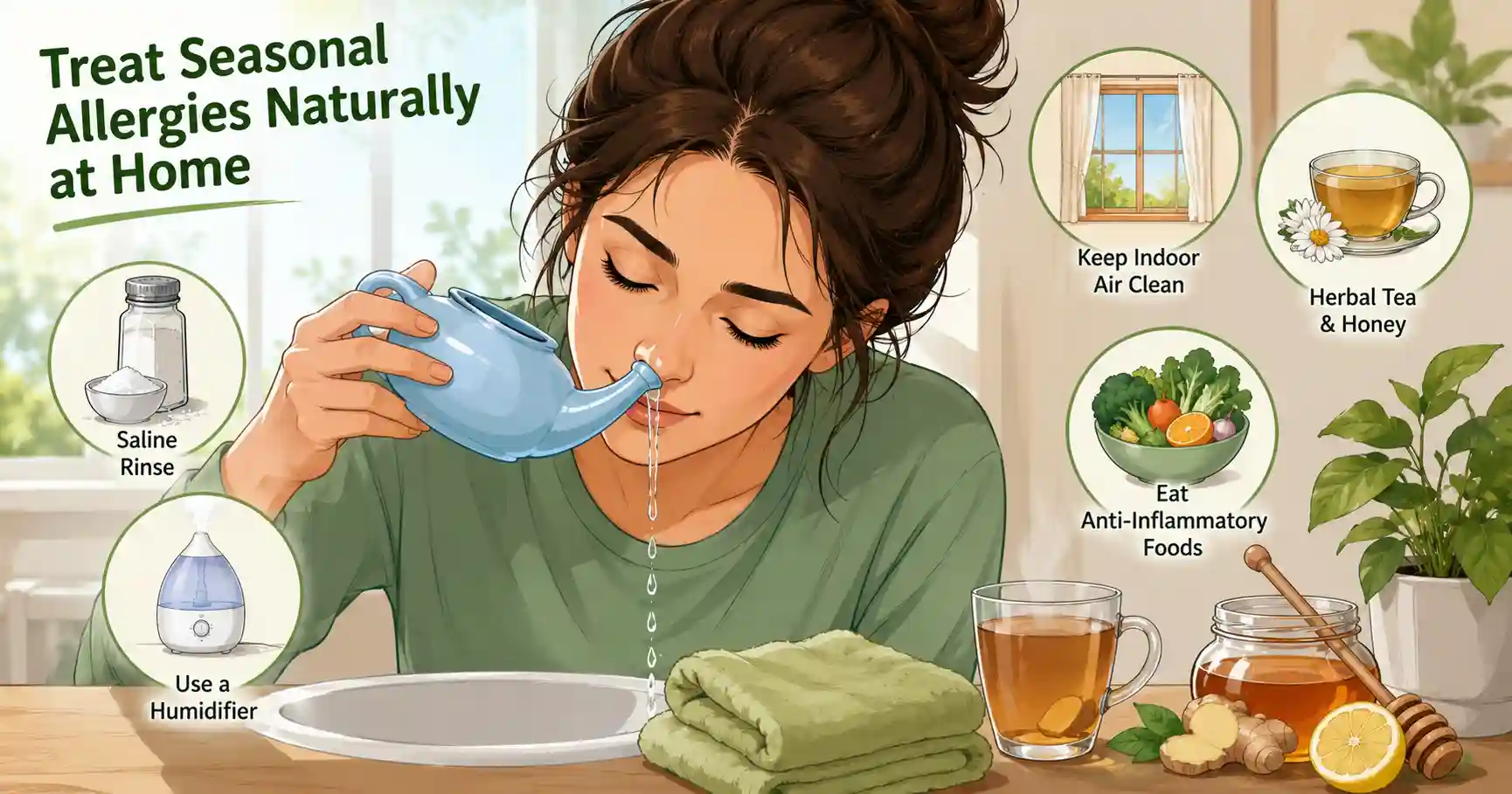
Some home remedies may help seasonal allergies, but the evidence quality varies a lot.
Natural strategies with stronger support
- Saline nasal rinses
- HEPA filtration
- Reducing indoor pollen exposure
- Humidity control
- Wearing sunglasses outdoors
Saline rinses are probably underrated. They physically remove pollen and mucus instead of trying to “boost immunity.” That distinction matters.
Remedies with mixed or weak evidence
- Local honey
- Essential oils
- Herbal supplements
Local honey gets repeated constantly online. The theory sounds nice: small pollen exposure trains the immune system. But many studies have found little consistent benefit because most seasonal allergies come from airborne pollens, not the pollen types commonly found in honey.
This is where wellness content tends to drift into storytelling instead of evidence.
Some studies on butterbur showed possible benefit for allergy symptoms, including older research published in the BMJ. But supplement quality and liver safety concerns complicate things.
⚡ Quick Takeaway: The most reliable natural approaches reduce pollen exposure directly instead of trying to “fix” the immune system with trendy remedies.
What mistakes make seasonal allergies harder to control?
1. Starting treatment too late
This is probably the biggest mistake.
Many allergy medications work better preventively.
2. Treating symptoms but ignoring exposure
People take antihistamines while:
- sleeping with windows open
- wearing pollen-covered clothes indoors
- skipping air filtration
That limits how much medication can help.
3. Overusing nasal decongestant sprays
This can trigger rebound congestion.
4. Assuming every sinus symptom is an allergy
Some symptoms may actually involve:
- viral infections
- asthma
- chronic sinusitis
- mold exposure
5. Ignoring pollen forecasts
Pollen counts matter more than people think. Dry, windy days often trigger worse symptoms than rainy days.
As of 2026, many weather apps now include localized pollen forecasting. That is genuinely useful, not wellness fluff.
How to treat seasonal allergies during pregnancy
Pregnancy changes what medications are considered appropriate, so treatment decisions should involve a healthcare professional.
Many doctors first recommend:
- saline nasal rinses
- allergen reduction
- humidification
- avoiding known triggers
Some antihistamines may be considered during pregnancy under medical guidance, but recommendations vary based on:
- trimester
- medical history
- blood pressure
- other medications
This is one area where internet advice becomes dangerous fast. A lot of articles casually lump all allergy medications together when safety profiles differ significantly.
The Centers for Disease Control and Prevention advises pregnant patients to review medications carefully with their healthcare provider before use.
⚡ Quick Takeaway: During pregnancy, allergy treatment focuses heavily on exposure reduction and medically guided medication choices.
How to treat seasonal allergies in babies, dogs, and cats
These situations are different enough that generic adult advice does not apply well.
Babies
Babies may show:
- congestion
- rubbing eyes
- irritability
- poor sleep
But true seasonal allergies are less common in very young infants than many parents think. Viral infections often get mistaken for allergies.
Dogs
Dogs with seasonal allergies often develop:
- itchy skin
- paw licking
- ear irritation
Skin symptoms are more common than sneezing in dogs.
Cats
Cats may develop:
- itching
- excessive grooming
- sneezing
- watery eyes
For pets, treatment often involves:
- bathing after outdoor exposure
- cleaning bedding
- reducing indoor allergens
- veterinary evaluation
A lot of pet owners waste months trying random supplements before identifying the actual trigger.
When should you see a doctor for seasonal allergies?
You should seek medical care if seasonal allergies:
- disrupt sleep regularly
- trigger wheezing or breathing issues
- cause repeated sinus infections
- do not improve with standard treatment
- severely affect daily life
Persistent congestion is sometimes blamed on allergies when structural nasal issues or asthma are involved.
That overlap gets missed surprisingly often.
FAQs
How to treat seasonal allergies naturally
Natural allergy treatment usually focuses on reducing pollen exposure and lowering nasal irritation. Saline rinses, HEPA filters, showering after outdoor exposure, and keeping windows closed during high pollen days tend to have stronger evidence than popular remedies like local honey or essential oils.
How to treat seasonal allergies at home
Home treatment often includes antihistamines, nasal sprays, saline rinses, and indoor pollen control. Washing bedding frequently, using air filters, and removing pollen from clothes and hair before bed may help reduce symptoms significantly during peak allergy seasons.
How to treat seasonal allergies at night
Nighttime allergy relief usually depends on reducing bedroom pollen exposure. Showering before bed, washing hair, using a HEPA filter, and keeping windows closed may reduce congestion and sneezing that worsen while lying down.
How to treat seasonal allergies while pregnant
Pregnant individuals should discuss allergy treatment with a healthcare provider because medication safety varies. Saline rinses, allergen reduction, and humidity control are commonly recommended first-line strategies before considering medications.
How to treat seasonal allergies in dogs
Dogs with seasonal allergies often develop itchy skin, paw licking, and ear irritation. Bathing after outdoor exposure, cleaning bedding, and veterinary-guided treatment may help reduce symptoms and identify underlying triggers.
Seasonal allergies are manageable for most people, but treating them effectively usually requires more than occasional antihistamines. The people who get the best results tend to focus on both symptom control and exposure reduction instead of chasing trendy “immune boosting” fixes.
