
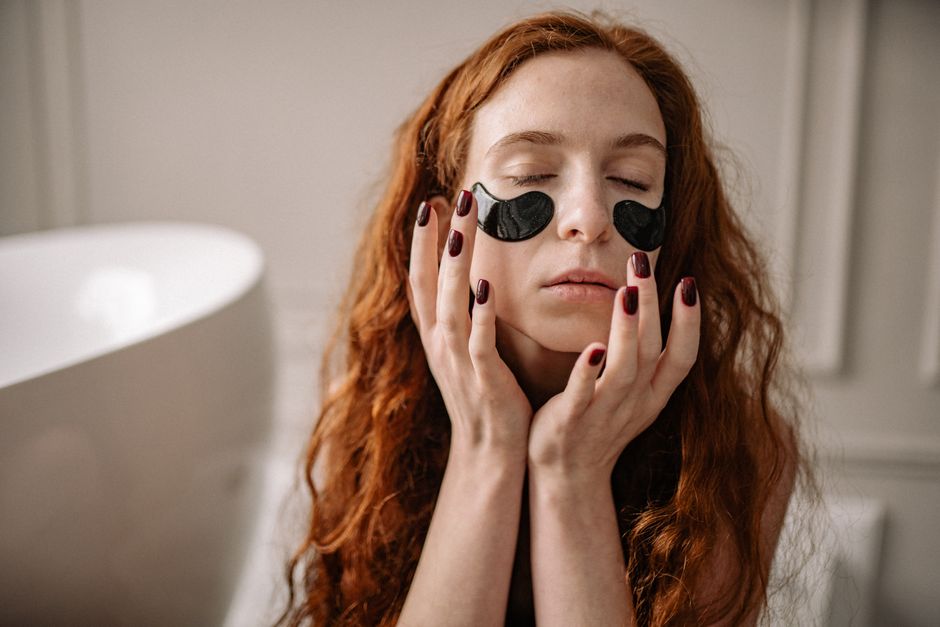
Puffiness under the eyes is usually a buildup of fluid in the thin skin around your lower eyelids. It is rarely a sign of a serious medical problem, and most cases fade within a few hours or days. The most common triggers are lack of sleep, salty meals, allergies, and the natural aging process. You can often reduce the appearance of puffiness with simple home care like a cold compress, less salt, and more water, but persistent swelling may need a doctor’s attention.
What Causes Puffiness Under Eyes And How To Treat It?
The skin around your eyes is the thinnest skin on your body. It has very little fat and few oil glands. That makes it highly sensitive to fluid shifts. When fluid gathers in this area, the tissue swells and looks puffy.
Several everyday factors drive this fluid buildup. A high-salt meal pulls water into your tissues. Crying irritates the tissue and increases blood flow. Allergies cause inflammation that opens blood vessels and leaks fluid. And as you age, the muscles that support your eyelids weaken, allowing fat to push forward. That fat pad looks like puffiness, but it is not fluid. It is structural.
Treatment depends on which type you have. Fluid-based puffiness responds well to cold compresses and position changes. Structural puffiness from aging does not go away with home care. It only changes with cosmetic procedures, which are optional.
How Does Sleep Position Affect Morning Eye Puffiness?
Gravity is a major player. When you lie flat all night, fluid naturally pools in your face, especially around your eyes. This is why many people wake up puffier than they were the night before.
Sleeping with your head slightly elevated can help. An extra pillow raises your head above your heart, which lets fluid drain away from your face overnight. This is a simple mechanical fix that works for many people. It does not treat the underlying cause, but it reduces the visible effect.
Sleep quality matters too. Poor sleep increases stress hormones like cortisol, which can cause fluid retention. Research consistently links short or disrupted sleep with facial puffiness. Adults generally need 7 to 9 hours per night, but the quality matters as much as the quantity.
Can Diet and Hydration Reduce Under-Eye Swelling?
Yes, but only for fluid-based puffiness. Sodium is the biggest dietary culprit. When you eat a salty meal, your body holds onto water to balance the salt concentration in your blood. That extra water shows up quickly in the thin skin under your eyes.
Processed foods, canned soups, deli meats, and fast food are the highest sodium sources in a typical American diet. The Dietary Guidelines for Americans recommend limiting sodium to less than 2,300 milligrams per day. Most adults consume well above that. Cutting back on these foods for a few days can noticeably reduce puffiness.
Drinking enough water helps your kidneys flush excess sodium. There is no exact water requirement that works for everyone, but a common clinical direction is to drink when thirsty and increase intake in hot weather or with exercise. Dehydration actually makes puffiness worse because your body holds onto whatever fluid it has. The goal is steady hydration, not excessive water intake.
Alcohol is another trigger. It dehydrates you and dilates blood vessels, which can make under-eye swelling worse the next morning. Reducing alcohol intake, especially before bed, often helps.





What Role Do Allergies Play in Under-Eye Puffiness?
Allergies are one of the most common causes of persistent under-eye puffiness. When your immune system reacts to pollen, dust mites, or pet dander, it releases histamine. Histamine makes your blood vessels widen and leak fluid into surrounding tissue. The skin around your eyes is so thin that this fluid becomes visible quickly.
Allergic reactions also cause itching. Rubbing your eyes makes the swelling worse because the physical pressure adds to the inflammation. If you have seasonal allergies and puffy eyes at the same time, allergy treatment is the most direct path to reducing the puffiness.
Oral antihistamines can help, but some people find they cause dryness. Cold compresses are a safe addition because they constrict blood vessels and reduce fluid leakage. If you suspect allergies, keeping windows closed during high pollen seasons and washing pillowcases in hot water can reduce your exposure.
When Is Under-Eye Puffiness a Sign of Something Serious?
Most under-eye puffiness is harmless. But there are situations where swelling signals a medical problem. If the puffiness comes with pain, redness, or vision changes, see a doctor promptly. These symptoms can indicate an infection like cellulitis or a condition affecting the eye itself.
Swelling that appears suddenly in one eye only, especially with pain, needs evaluation. So does puffiness that comes with fever, difficulty breathing, or a rash elsewhere on your body. These could point to an allergic reaction beyond simple seasonal allergies.
Some thyroid conditions cause swelling around the eyes. If your puffiness is persistent, both eyes are affected, and you have other symptoms like fatigue or weight changes, mention it to your doctor. Thyroid disease is treatable, and eye swelling often improves with treatment.
Kidney or heart conditions can cause fluid retention throughout the body, including the face. But these conditions rarely show up only as under-eye puffiness. They come with other signs like swollen ankles, shortness of breath, or changes in urination. If you have none of these, the odds are strongly in favor of a benign cause.
Do Home Remedies Actually Work for Under-Eye Puffiness?
Some do. Cold compresses are the most evidence-supported home remedy. Cold constricts blood vessels, which reduces fluid leakage into the tissue. A clean washcloth soaked in cold water, or a chilled spoon placed under the eye, works for temporary relief. Apply for 5 to 10 minutes.
Cucumber slices and tea bags are popular but lack strong evidence. Chilled cucumber is mostly a cold compress with a pleasant shape. Caffeinated tea bags may help because caffeine can constrict vessels, but no large human trials have confirmed this. If they feel soothing, they are not harmful. Just do not expect dramatic results.
Under-eye creams are a mixed category. Products containing caffeine or hyaluronic acid may temporarily tighten skin or pull in moisture, which can reduce the appearance of puffiness. The effect is short-lived and cosmetic. No cream has been proven to remove structural fat pads or correct the muscle weakening that comes with age.
Facial massage and gua sha tools are growing in popularity. Gentle lymphatic drainage massage may help move fluid away from the eye area. Some research suggests this can reduce puffiness temporarily, but the evidence is limited. If you try it, use light pressure. Pressing hard on the delicate eye area can cause bruising or damage.
What Treatments Do Dermatologists Offer for Under-Eye Puffiness?
When home care does not produce the result you want, dermatologists and plastic surgeons offer several options. These are cosmetic procedures, not medical necessities. They are chosen for appearance reasons.
Fillers are injected into the tear trough, the groove between your lower eyelid and cheek. They can smooth the area and reduce the shadow that makes puffiness look worse. The effect lasts several months to a year. Fillers carry risks including bruising, infection, and lumps.
Blepharoplasty is surgery to remove excess fat and skin from the eyelids. It is the most permanent option for structural puffiness. Recovery takes one to two weeks, and results last for years. It is a real surgery with risks like bleeding, infection, and dry eyes. Only a board-certified surgeon should perform it.
Laser treatments and radiofrequency devices claim to tighten skin and reduce puffiness. The evidence for these is mixed. Some patients see modest improvement, but results vary widely. These treatments are expensive and usually require multiple sessions.
Before considering any procedure, have a consultation with a qualified specialist. Ask about expected results, recovery time, and possible complications. A reputable doctor will be honest about what a procedure can and cannot achieve.
Can You Prevent Under-Eye Puffiness Before It Starts?
Prevention is easier than treatment for most causes. The most effective strategies target the fluid buildup directly. Reduce salt in your diet, stay hydrated, and limit alcohol. Manage allergies with medication or avoidance. Get consistent sleep with your head slightly elevated.
Protect the skin around your eyes from sun damage. Sun exposure breaks down collagen and elastin over time, which weakens the skin and makes structural puffiness more noticeable. Sunglasses and a broad-spectrum sunscreen around the eye area are simple preventive steps.
Do not rub your eyes. Rubbing irritates the tissue, increases inflammation, and can make puffiness worse. If your eyes itch from allergies, use an antihistamine or cold compress instead of friction.
Know that some puffiness is unavoidable. Aging causes fat redistribution and muscle weakening that no cream or lifestyle change can fully prevent. Accepting a mild degree of under-eye puffiness as a normal part of aging is reasonable. It is not a health problem.
Frequently Asked Questions
Does drinking more water reduce under-eye puffiness?
Yes, staying hydrated helps your kidneys flush excess sodium, which reduces fluid retention. But drinking extra water will not help if your puffiness is caused by allergies or aging.
How long does under-eye puffiness last?
Fluid-based puffiness from sleep or a salty meal usually fades within a few hours to a day. Puffiness from allergies lasts as long as you are exposed to the trigger.
Are cold compresses safe for under-eye puffiness?
Yes, a cold compress is safe for temporary relief. Apply it for 5 to 10 minutes at a time and never place ice directly on the skin, which can cause damage.
Can under-eye creams permanently remove puffiness?
No cream can permanently remove puffiness. Cosmetic creams may temporarily tighten skin or reduce fluid, but they do not correct the fat pads or muscle weakness that cause structural puffiness.
