
Lymphedema in the legs is a chronic condition where fluid builds up in tissues, causing swelling that can progress from mild to severe. Treatment depends entirely on the stage, and the goal at every point is to manage swelling, prevent progression, and protect the skin. The core approach combines compression, manual lymphatic drainage (MLD), exercise, and meticulous skin care, with more intensive options like surgery reserved for advanced cases that do not respond to conservative care.
What causes lymphedema in the legs and how is it staged?
Lymphedema happens when the lymphatic system cannot drain fluid properly. This can be primary, meaning you are born with a faulty lymphatic system, or secondary, caused by damage from surgery, radiation, infection, or injury. The legs are a common site because gravity pulls fluid downward.
Staging is how doctors describe severity.
- Stage 0 (Latent): No visible swelling yet, but you feel heaviness or tightness. The lymphatic system is already damaged.
- Stage 1 (Mild): Swelling that goes down when you elevate the leg. The tissue still feels soft, and pitting edema is present.
- Stage 2 (Moderate): Swelling does not go away with elevation. The tissue feels firmer, and pitting is less obvious or gone. Fibrosis, or hardening of the tissue, starts.
- Stage 3 (Severe): Also called lymphostatic elephantiasis. Massive swelling, hard fibrotic tissue, skin changes like thickening and folds, and high risk of infection.
Knowing the stage is not optional. It determines whether compression alone is enough or if you need specialized therapy or surgical consultation.
Stage 1 treatment: Can early lymphedema be reversed?
Stage 1 is the only stage where complete reversal of visible swelling is possible. The fluid is still mobile and has not caused permanent tissue changes. The window is narrow, and acting fast matters.
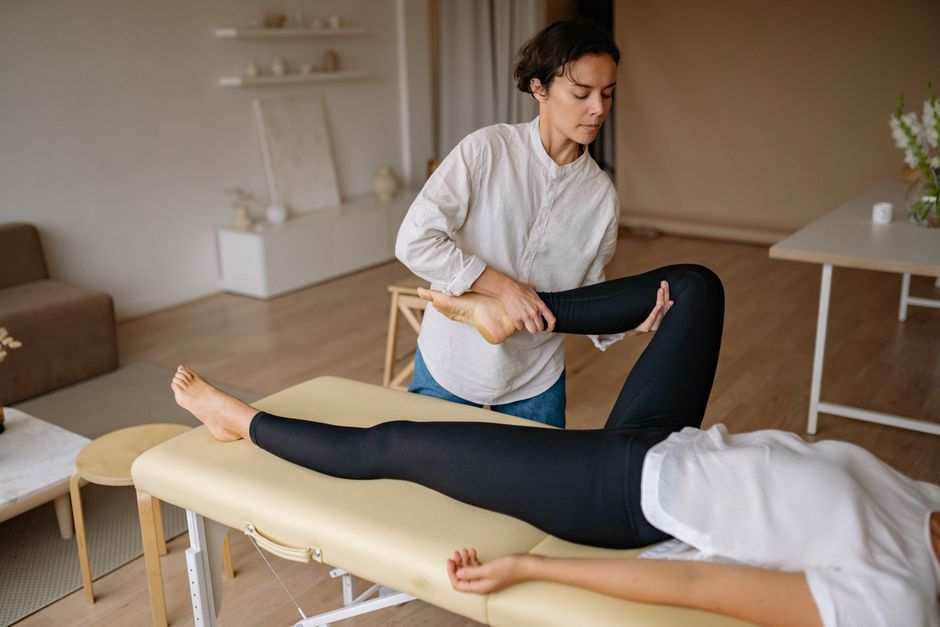
Treatment centers on complete decongestive therapy (CDT), which has two phases. Phase one, done with a certified lymphedema therapist, includes manual lymphatic drainage (MLD), short-stretch bandaging, skin care, and exercises. MLD is a light, rhythmic massage that reroutes fluid to working lymph nodes. It is not a deep tissue massage, which can make swelling worse.
After the initial reduction phase, you move to phase two: self-management. This means wearing a daytime compression garment, often a flat-knit sleeve or stocking fitted to your leg, and using a nighttime compression device if prescribed. The National Lymphedema Network states that consistent compression use is the single most important factor in maintaining stage 1 control.
Some people report that elevation alone helps, and it does for temporary relief. But elevation does not treat the underlying lymphatic failure. Compression does.
Stage 2 treatment: Managing fibrosis and chronic swelling
Once lymphedema reaches stage 2, the fluid has been present long enough to trigger tissue fibrosis. The leg feels denser, and pitting is reduced or gone. Reversal of the fibrosis is difficult, but swelling reduction is still possible with consistent therapy.
CDT remains the standard. MLD is still used, but the focus shifts to multilayer lymphedema bandaging. This involves wrapping the leg from toes to thigh with several layers of short-stretch bandages. These bandages create a high working pressure during muscle movement and a low resting pressure, which pumps fluid out of the leg. Bandaging is typically done daily for one to four weeks during the intensive phase.
After the leg volume decreases, you transition to a custom-fitted compression garment. Flat-knit garments are preferred for stage 2 because they provide higher pressure and do not dig into the skin as much as circular-knit ones. A 2020 study in the journal Lymphatic Research and Biology found that flat-knit garments reduced leg volume by an average of 30% more than circular-knit in stage 2 patients.
Skin care is critical here. Fibrotic skin is fragile and prone to cracks, which can lead to cellulitis. Daily washing, moisturizing with low-pH lotion, and checking for cuts or insect bites are non-negotiable.




Stage 3 treatment: What options exist for severe lymphedema?
Stage 3 lymphedema is the most challenging. The leg is significantly enlarged, the skin is thickened and may have folds, and fibrosis is extensive. Conservative treatment can still reduce volume and prevent worsening, but it requires lifelong commitment.
Intensive CDT with daily bandaging is the first step. However, many stage 3 patients do not achieve adequate reduction with bandaging alone. This is where pneumatic compression devices come in. These are programmable pumps that inflate and deflate sleeves around the leg, mimicking the pumping action of MLD. The FDA has cleared several advanced devices, and research published in Lymphology in 2021 showed that advanced pneumatic compression combined with standard CDT reduced leg volume by 45% in stage 3 patients over six months.
For those who plateau with conservative care, surgical options exist.
| Surgery Type | What It Does | Best For |
|---|---|---|
| Lymphaticovenous anastomosis (LVA) | Connects tiny lymphatic vessels to nearby veins to drain fluid directly into the bloodstream. | Early stage 2 or stage 3 with some functioning lymphatics. Minimal fibrosis. |
| Vascularized lymph node transfer (VLNT) | Transplants healthy lymph nodes from another body part to the affected limb. | Stage 2 or 3 where no functional lymph nodes remain in the leg. |
| Liposuction for lymphedema | Removes the fatty and fibrotic tissue that has replaced the fluid. | Stage 3 with hard, non-pitting tissue. Requires lifelong compression afterward. |
Surgery is not a cure. It reduces the burden of daily care but does not eliminate the need for compression or skin monitoring. The American Venous Forum recommends surgery only after six months of failed conservative therapy.
What does the research actually show about treating lymphedema at every stage?
The evidence base is solid for conservative care and less robust for surgery. A 2019 Cochrane review of 20 trials found that compression therapy significantly reduced leg volume compared to no treatment, with an average reduction of 30-40% in stage 1 and 2 patients. The same review noted that adding MLD to compression showed a small additional benefit, but compression alone was the key driver.
For stage 3, the evidence is thinner. Most studies are small, with 20 to 50 patients. A 2022 study from the Mayo Clinic followed 48 stage 3 patients who underwent VLNT. At one year, 72% reported reduced swelling and fewer infections. But 15% had no improvement, and 8% got worse. That honest number is rarely shared in marketing materials for these procedures.
One non-obvious finding: exercise is not just safe but necessary. Many people fear that moving the leg will worsen swelling. Research published in Cancer in 2018 showed that progressive resistance training actually reduced lymphedema exacerbations by 25% in breast cancer survivors with arm lymphedema, and the same principle applies to legs. Muscle contraction pumps fluid through lymphatics. Sitting still is worse.
What should you avoid when treating leg lymphedema?
Several common mistakes make lymphedema worse. The first is using a compression garment that does not fit. A garment that is too loose does nothing. One that is too tight can create a tourniquet effect, blocking drainage above the garment edge. Always get fitted by a certified fitter, not just measured online.
Another mistake is relying on diuretics. Water pills are sometimes prescribed for edema, but they do not work for lymphedema. The fluid in lymphedema is protein-rich, not just water. Diuretics can dehydrate the healthy tissue while leaving the lymphatic fluid behind, and they carry risks like electrolyte imbalance. A 2017 statement from the International Society of Lymphology explicitly advises against diuretics for lymphedema unless the patient has a separate heart or kidney condition.
Heat is also a problem. Hot tubs, saunas, and heating pads can increase blood flow to the leg, which brings more fluid and worsens swelling. The same goes for sunburns. Keep the leg cool and protected.
Finally, do not ignore infections. A small cut can lead to cellulitis, which rapidly worsens lymphedema. Signs are redness, warmth, fever, and increased swelling. If you see these, seek antibiotics immediately. Each infection permanently damages the lymphatic system further.
How To Treat Lymphedema In Legs At Every Stage: Practical daily steps
Regardless of stage, certain habits apply every day. Start with morning skin inspection. Look for cuts, bug bites, athlete’s foot, or any red area. Moisturize immediately after showering while skin is still damp.
Put on compression garments before getting out of bed. Gravity starts pulling fluid the moment you stand. Waiting even 30 minutes allows swelling to set in, making the garment harder to put on and less effective.
Exercise with compression on. Walking, swimming, and stationary cycling are excellent. Avoid high-impact activities like running on hard pavement, which can jar the leg and increase fluid production.
Elevate the leg whenever sitting. Not just propping it on a footstool, but raising it above heart level for 20 minutes, two to three times a day. This is not a substitute for compression, but it helps between sessions.
Keep a log of leg measurements. Measure the circumference at the ankle, mid-calf, and thigh weekly. If measurements increase by more than 2 cm over two weeks, call your therapist. Catching a flare early prevents a cascade of worsening.
Frequently Asked Questions
Can lymphedema in the legs be cured permanently?
There is no cure for lymphedema because the underlying lymphatic damage is permanent. However, with consistent treatment, swelling can be reduced and maintained at a manageable level for life.
Is massage safe for leg lymphedema?
Only manual lymphatic drainage performed by a certified therapist is safe. Deep tissue or vigorous massage can damage fragile lymphatics and increase swelling.
What happens if lymphedema is left untreated?
Untreated lymphedema progresses to more severe stages, causing permanent tissue fibrosis, skin thickening, recurrent infections like cellulitis, and significant mobility loss.
Do compression stockings work for lymphedema?
Yes, but only if they are medical-grade flat-knit garments fitted by a specialist. Over-the-counter support stockings do not provide enough pressure to manage lymphedema effectively.
