
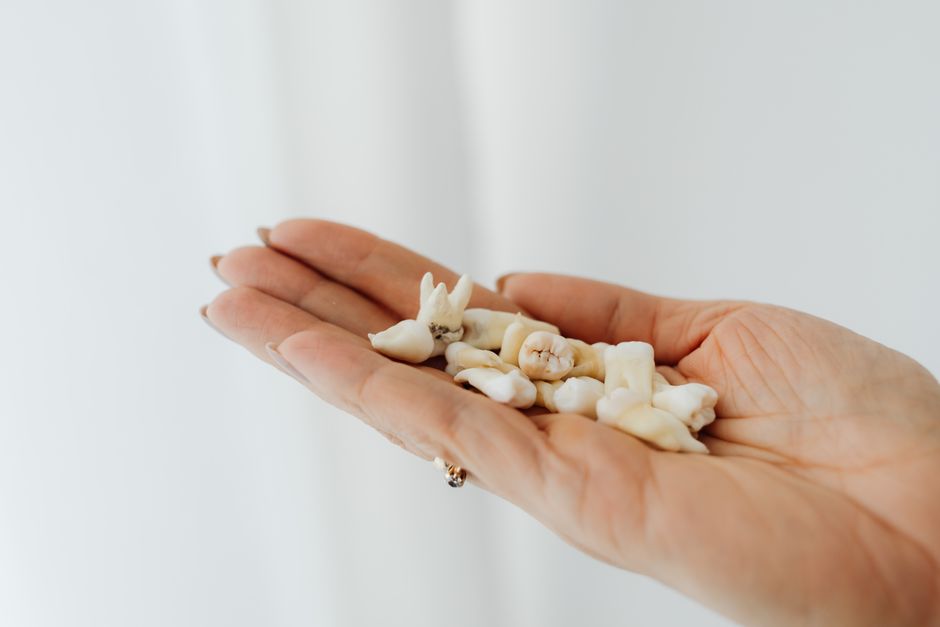
Enamel erosion is the permanent loss of the hard outer layer of your teeth, and it cannot grow back. Treatment works by stopping the damage from getting worse and protecting the softer dentin underneath. At home, that means cutting down on acids, changing how and when you brush, and using fluoride and remineralizing products. At the dentist, it means treating the cause, then rebuilding worn teeth with bonding, veneers, or crowns when the loss is significant.
What Is Enamel Erosion And How Is It Different From Decay?
Enamel erosion is chemical wear. Acid dissolves the mineral structure of the tooth surface. It is not the same as decay, and this distinction matters because the treatments differ.
Dental decay is an infectious process. Bacteria in plaque ferment sugars and produce acid, which creates a cavity in a specific spot. Enamel erosion is a widespread chemical process. Acid from food, drinks, or stomach contents washes over the teeth and softens the surface across a broad area.
Enamel is the hardest tissue in the human body, but it is roughly 96 percent mineral. That mineral dissolves when the environment around the tooth drops below a certain pH. The critical pH for enamel is generally cited as around 5.5. Below that, the tooth surface starts to lose mineral. Saliva normally neutralizes acid and pushes mineral back into the enamel, a process called remineralization.
The problem is that this repair system has limits. Repeated acid attacks, especially frequent ones, overwhelm saliva’s ability to keep up. Over time the surface softens, wears away, and does not come back. Enamel has no living cells. Once it is gone, the body cannot rebuild it.
There is a useful clarification here: erosion and abrasion are not the same thing, but they work together. Erosion softens the surface. Then brushing, grinding, or a hard toothbrush abrades that softened layer and removes it faster. This is why the timing of brushing after acid exposure matters so much.
What Causes Enamel Erosion?
Two categories of acid cause most erosion: acid from outside the body and acid from inside the body.
External sources include soft drinks, citrus fruits and juices, sports drinks, energy drinks, wine, and vinegar-based foods. Carbonated drinks are acidic even when they are sugar-free, because carbonation itself forms carbonic acid. How often you consume these matters as much as how much. Sipping a soda over two hours keeps the mouth acidic far longer than drinking it in ten minutes.
Internal sources come from the stomach. Gastroesophageal reflux disease (GERD), frequent vomiting, and eating disorders such as bulimia expose teeth to stomach acid, which is far stronger than most food acids. This pattern often shows up on the back surfaces of the upper front teeth and the chewing surfaces, because that is where the acid pools and contacts the tooth first.
Several factors raise the risk:
- Dry mouth from medications, medical conditions, or aging, since saliva is the main defense against acid
- Frequent snacking or sipping acidic drinks throughout the day
- GERD or a history of reflux
- Eating disorders or chronic vomiting
- Certain medications, including some antihistamines and antidepressants, that reduce saliva
- Low fluoride exposure
Some people also have softer or less mineralized enamel from genetics or early development, which can make them more vulnerable to the same acid exposure.
What Are The Signs Of Enamel Erosion?
Early erosion is often invisible. The first sign is usually a change in how teeth look and feel, not pain.
As enamel thins, the underlying dentin shows through. Dentin is yellower, so teeth start to look more yellow. The edges of front teeth may become thin, translucent, or chipped. The chewing surfaces can develop cupping or a scooped-out appearance. Teeth may look shorter over time.
Sensitivity is common. When enamel wears away, dentin is exposed, and dentin has microscopic tubules that connect to the nerve. Hot, cold, sweet, and acidic foods and drinks can trigger a sharp, brief sensation. This sensitivity is often the first symptom people notice.
In more advanced cases, the bite can change as teeth lose height, and in severe erosion the nerve can become exposed or the tooth can fracture. This is uncommon but possible with long-standing, untreated erosion.




How To Treat Enamel Erosion At Home
Home treatment cannot restore lost enamel. What it can do is slow or stop further loss and reduce symptoms. The goal is to reduce acid exposure, protect the softened surface, and help saliva do its job.
These steps are well supported and widely recommended:
- Cut down on acidic drinks and foods. Water is the safest choice. If you drink soda, juice, or wine, have it with meals and finish it quickly rather than sipping over hours.
- Use a straw for acidic drinks to reduce contact with the teeth.
- Rinse with water after acidic food or drink, and after vomiting. Do not brush right away.
- Wait about 30 minutes before brushing after acid exposure. Brushing a softened surface removes mineral. Waiting lets saliva re-harden the enamel first.
- Use fluoride toothpaste and brush gently with a soft-bristled brush. Fluoride helps remineralize and makes enamel more resistant to acid.
- Chew sugar-free gum with xylitol after meals to stimulate saliva, which neutralizes acid.
- Treat dry mouth. Stay hydrated, and talk to a dentist or doctor about medications that may be reducing saliva.
- Use a remineralizing toothpaste or fluoride rinse if your dentist recommends one. These can help with sensitivity and surface mineral, though they do not rebuild lost enamel.
One honest point about home care: no product regrows enamel. Marketing language around “enamel repair” usually means the product deposits a mineral-like layer or reduces sensitivity. That can help, but it is not the same as restoring the original tissue. The evidence for any single over-the-counter product rebuilding enamel is limited.
If you have GERD or frequent vomiting, home dental care alone will not solve the problem. The acid source has to be addressed, which is a medical issue, not a dental one.
What Can A Dentist Do To Treat Enamel Erosion?
Dentists treat erosion in two phases: manage the cause, then repair the damage.
Managing the cause comes first. If reflux or an eating disorder is driving the erosion, repairing teeth without addressing the acid source means the damage will continue. A dentist may refer you to a physician or gastroenterologist. This step is often the most important and the most overlooked.
For the teeth themselves, options depend on how much enamel is lost:
- Fluoride varnish or high-fluoride toothpaste. Applied in the office, these can strengthen remaining enamel and reduce sensitivity. This is common clinical practice for early erosion.
- Dental bonding. A tooth-colored resin is applied to worn areas. It is relatively quick and less expensive than other options, and it can be repaired or replaced. Bonding does not last as long as veneers or crowns.
- Veneers. Thin shells bonded to the front of teeth. Used when erosion affects the front teeth and appearance matters. They require removing some tooth structure.
- Crowns. Full caps that cover a tooth. Used when erosion is advanced and the tooth needs structural protection.
- Night guards. If grinding is also wearing the teeth, a guard protects them from abrasion, which can worsen erosion.
Dentists may also apply desensitizing agents to reduce sensitivity from exposed dentin.
One clarification worth making: the choice between bonding, veneers, and crowns is not purely about cost. It depends on how much tooth structure remains, where the erosion is, and whether the bite needs to be rebuilt. A dentist assesses this with visual exam, sometimes photographs, and in some cases molds or digital scans to track changes over time.
Can Enamel Erosion Be Reversed?
No. Lost enamel does not grow back. This is the single most important fact about erosion, and it is why prevention and early intervention matter more than any treatment.
What can be reversed is early mineral loss. In the very early stage, before the surface structure is physically lost, the enamel can be remineralized with fluoride and saliva. Once the mineral is gone and the surface is physically worn, that tissue is permanently lost.
This is why dentists monitor erosion over time. If the pattern is stable, prevention may be enough. If it is progressing, treatment is warranted before more tooth structure is lost. The earlier the intervention, the simpler and less invasive the repair.
How Can You Prevent Enamel Erosion?
Prevention is the most effective treatment for enamel erosion, because it addresses the problem before permanent loss occurs.
The core habits are straightforward. Limit acidic foods and drinks, and when you have them, keep the exposure short. Rinse with water afterward. Wait before brushing. Use fluoride toothpaste daily. Treat dry mouth. And if you have reflux or vomiting, get that managed medically.
Regular dental visits matter for a specific reason. Erosion is often gradual and easy to miss in a mirror. A dentist can spot early changes, track them over time, and identify the cause before significant loss happens. For people with GERD, eating disorders, or dry mouth, more frequent check-ups may be appropriate.
A final honest note: there is no single product or habit that guarantees protection. Enamel erosion is a cumulative process driven by how often teeth meet acid, how well saliva works, and how much fluoride is present. Managing all three is more effective than focusing on any one.
Frequently Asked Questions
Can enamel erosion heal on its own?
No. Once enamel is physically lost, it cannot regrow because enamel has no living cells. Very early mineral loss can be remineralized with fluoride and saliva, but true structural loss is permanent.
Does brushing make enamel erosion worse?
Brushing right after acid exposure can remove softened enamel, so waiting about 30 minutes is recommended. Gentle brushing with a soft brush and fluoride toothpaste at other times is protective, not harmful.
What is the best toothpaste for enamel erosion?
Fluoride toothpaste is the most well-supported choice, because fluoride helps remineralize enamel and makes it more resistant to acid. Products marketed for “enamel repair” may reduce sensitivity or deposit mineral-like layers, but none regrow lost enamel.
Can a dentist fix enamel erosion?
Yes, a dentist can repair worn areas with bonding, veneers, or crowns, and can apply fluoride treatments to strengthen remaining enamel. The cause of the erosion, such as reflux, also needs to be addressed to prevent further damage.
