
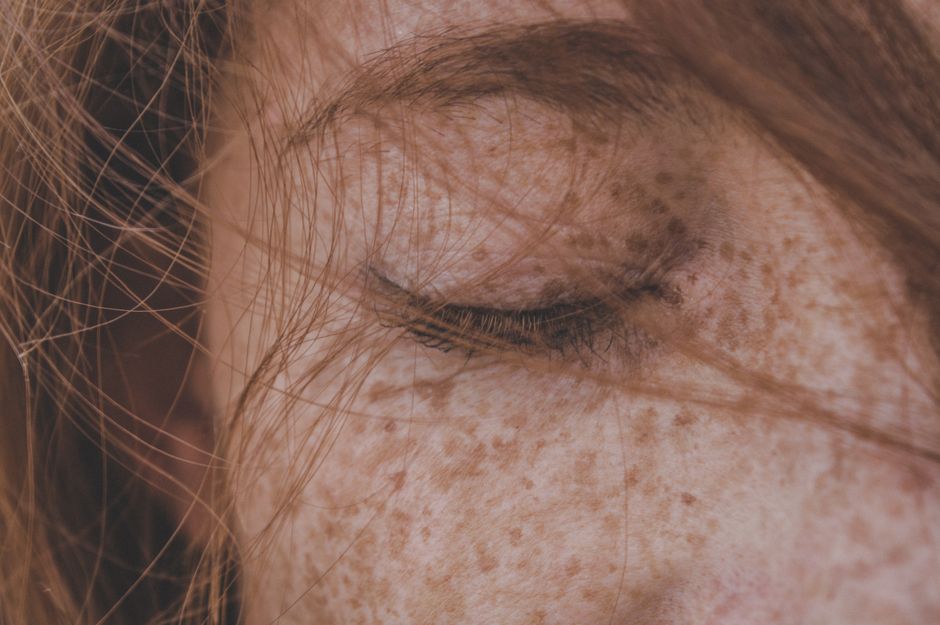
Liver spots are flat, brown or gray patches on sun-exposed skin. They are harmless. But many people want to reduce their appearance. Treatments include over-the-counter creams, prescription creams, laser therapy, and other procedures. The best option depends on your skin type, how deep the pigment is, and your budget. No single treatment removes liver spots permanently, but fading them is possible.
What causes liver spots?
Liver spots are also called solar lentigines or age spots. They form after years of sun exposure. Ultraviolet (UV) light causes the skin to produce extra melanin. Over time, that melanin clumps together in patches. The spots are most common on the face, hands, shoulders, and arms.
The name “liver spots” is misleading. They have nothing to do with liver function. Age and sun history are the main factors. Fair skin increases the risk. So does living in sunny climates or using tanning beds. The spots are not cancerous, but they can look similar to some skin cancers. A dermatologist can check any spot that changes in shape, color, or size.
Do over-the-counter creams work for liver spots?
Some non-prescription creams can lighten liver spots, but results are modest. Common ingredients include hydroquinone (2% or less in OTC products), kojic acid, vitamin C (ascorbic acid), and glycolic acid. Hydroquinone works by blocking melanin production. The FDA limits OTC hydroquinone to 2%. Higher strengths require a prescription.
Evidence is strongest for hydroquinone. A 2% cream used for several months can fade spots slightly. Kojic acid and vitamin C have weaker evidence. Products labeled “brightening” or “age spot corrector” often contain a mix of ingredients. Many show minimal effect in clinical studies. You may not see a visible difference for 12 weeks or longer. And results are often subtle.
What prescription creams are used for liver spots?
Prescription treatments are more effective than OTC options. The most common is hydroquinone 4% or higher. It is often combined with tretinoin (a retinoid) and a mild steroid. This combination is sometimes called a “triple cream” or Kligman’s formula. Tretinoin speeds up skin cell turnover, which helps shed pigment.
Another option is tretinoin alone. It can gradually fade spots over 6 to 12 months. It also improves skin texture. But it causes redness, peeling, and sun sensitivity. A newer prescription cream is azelaic acid 15% or 20%. It is less studied for liver spots but may help. Oral medications are not used for liver spots.
Prescription treatments require a dermatologist visit. They can cause irritation and must be used exactly as directed. Sunscreen is mandatory during treatment. Without sun protection, the spots will likely return.





How do laser and light treatments work for liver spots?
Lasers target the dark pigment in liver spots without damaging surrounding skin. The two main types are Q-switched lasers and intense pulsed light (IPL). Q-switched lasers deliver a short, high-energy burst that breaks up melanin. The body then clears the pigment naturally. One to three sessions are usually enough. The treated area may darken and peel over a week or two.
IPL is a broad-spectrum light, not a true laser. It is less precise but can still fade spots. Multiple sessions (three to five) are needed. IPL also treats redness and uneven tone. Fractional lasers can help but are more often used for deeper wrinkles or acne scars.
Laser treatments are generally safe for fair skin. Darker skin carries a higher risk of hyperpigmentation or hypopigmentation (light or dark marks). A board-certified dermatologist should perform the treatment. Costs range from $200 to $600 per session. Insurance does not cover cosmetic laser procedures.
Are there other treatments like cryotherapy or chemical peels?
Cryotherapy freezes the spot with liquid nitrogen. It is quick and inexpensive. The spot scabs and falls off in a week or two. It works well for individual spots. But it can cause temporary or permanent lightening of the skin. Scarring is possible.
Chemical peels use acids such as trichloroacetic acid (TCA) or glycolic acid. A medium-depth peel can lighten multiple spots at once. The skin peels over several days. Results vary with the strength of the peel and your skin type. Peels carry a risk of uneven pigment change, especially in darker skin. They should be done by a dermatologist or licensed clinician.
Microdermabrasion is sometimes used. It removes the top layer of skin. The evidence for treating liver spots is limited. Most dermatologists consider it less effective than laser or peel treatments.
Can liver spots be prevented?
Prevention is largely sun protection. UV exposure triggers new spots and darkens existing ones. Use a broad-spectrum sunscreen with SPF 30 or higher every day. Reapply every two hours when outdoors. Wear hats, long sleeves, and sunglasses. Avoid tanning beds entirely.
Antioxidant serums, such as vitamin C or niacinamide, may offer modest protection when used under sunscreen. But they are not a substitute for sunscreens. No cream can undo years of sun damage. Prevention is the most reliable approach.
How To Treat Liver Spots Creams Laser And More?
Start with sun protection. Without it, any treatment will fail. Then choose an approach based on your priorities and skin type.
For mild spots, an OTC hydroquinone 2% cream twice daily for 3-6 months may provide gradual fading. For moderate spots, a prescription triple cream or tretinoin can yield better results. For faster or more dramatic improvement, laser treatment (Q-switched) or a TCA peel works well. Many people combine a cream at home with an in-office procedure.
Realistic expectations matter. Spot removal is often partial. Some spots may require more than one session. And maintenance is ongoing. Even after successful treatment, new spots can appear if sun protection is not consistent.
A dermatologist can help you weigh the options. They can also confirm the spots are benign. If any spot has irregular borders, multiple colors, or changes, a biopsy may be needed before treatment.
Frequently Asked Questions
Are liver spots dangerous?
No, liver spots are harmless and not cancerous. But have a dermatologist check any spot that changes shape, color, or size because some skin cancers can look similar.
Do home remedies like lemon juice or apple cider vinegar work?
No clinical evidence supports home remedies for liver spots. They can irritate the skin and cause more pigment problems. Stick to proven treatments.
How many laser sessions are needed for liver spots?
Most people need one to three Q-switched laser sessions spaced 4 to 6 weeks apart. IPL may require three to five sessions. Results vary by spot depth and skin type.
What is the best cream for liver spots?
Hydroquinone 4% combined with tretinoin is the most studied and effective cream. It requires a prescription. For OTC, hydroquinone 2% is the best option but is less potent.
