
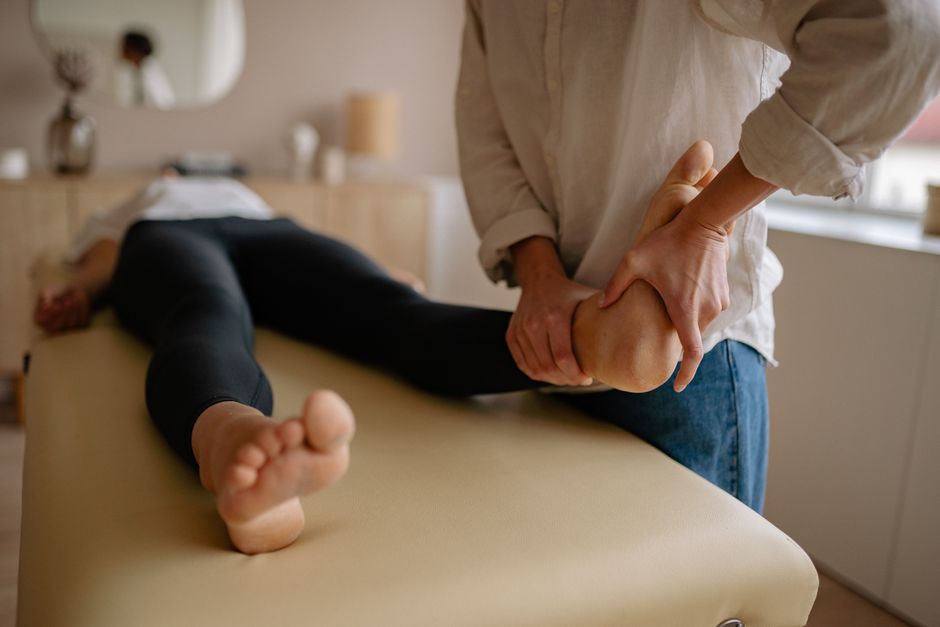
Hip flexor pain usually settles with a short period of rest from the activity that triggered it, gentle stretching of the hip flexors and surrounding muscles, and a gradual return to movement. Most cases are strains or irritation from sitting too long or overdoing exercise, not structural damage. Ice in the first day or two can ease soreness, and a slow, graded stretching and strengthening program is the core of recovery. Sharp pain, swelling, or pain that keeps you from bearing weight needs a medical assessment rather than self-treatment.
What Are the Hip Flexors and Why Do They Hurt?
The hip flexors are a group of muscles that lift your knee toward your chest and help you bend at the hip. The main one is the iliopsoas — the psoas major and iliacus muscles — which runs from your lower spine and pelvis to the top of your thigh bone. The rectus femoris, one of your quadriceps, also crosses the hip and helps flex it.
These muscles work every time you walk, climb stairs, or stand up from a chair. They can become painful for a few common reasons:
- Strain. A sudden sprint, kick, or lunge can overstretch or tear muscle fibers.
- Overuse. Repetitive running, cycling, or kicking loads the muscle without enough recovery.
- Prolonged sitting. Long periods with the hip bent can leave the hip flexors feeling tight and shortened, though the link between sitting and actual muscle shortening is debated.
- Bursitis. The fluid sac (bursa) between the iliopsoas and the hip joint can become inflamed.
- Tendon irritation. The tendon where the muscle attaches can become sore with repeated use.
Pain location helps narrow it down. Iliopsoas strain typically causes pain deep in the front of the hip or groin. Rectus femoris strain tends to hurt higher up, toward the front of the thigh. A doctor or physical therapist can usually tell these apart with a physical exam.
How To Treat Hip Flexor Pain: Stretches And Recovery Basics
Recovery follows a simple arc: calm the irritated tissue, restore gentle movement, then rebuild strength so the problem does not return. Pushing through sharp pain usually delays healing.
Step 1: Relative rest. Cut back on the activity that caused the pain, but do not stop moving entirely. Walking at a comfortable pace keeps blood flowing to the area and helps prevent stiffness. “Relative rest” means avoiding the aggravating motion, not lying still.
Step 2: Ice for the first day or two. A cold pack wrapped in a cloth for short periods can reduce soreness in the early phase. Never place ice directly on skin. After the first day or two, ice is no longer necessary and some clinicians suggest gentle heat may feel better for muscle tightness, though evidence for heat is limited.
Step 3: Gentle stretching. Start with mild stretches described below, holding each for a comfortable duration without forcing. If a stretch causes sharp pain, back off.
Step 4: Strengthening. Once pain is settling, strengthening the hip flexors and the muscles around the hip and core is what prevents recurrence. This is the step most people skip, and it matters more than stretching alone.
Over-the-counter pain relievers such as acetaminophen or ibuprofen are commonly used for short-term relief. Ibuprofen and similar anti-inflammatory drugs can have side effects, so check with a pharmacist or doctor if you have stomach, kidney, or heart concerns, or take other medications.
Which Stretches Help Hip Flexor Pain?
The most useful stretches lengthen the hip flexors gently and without bouncing. Hold each stretch in a comfortable range — you should feel a mild pull, not pain — and breathe steadily.
The half-kneeling hip flexor stretch
Kneel on one knee with the other foot flat in front, forming two right angles. Tuck your pelvis slightly (think of tilting your tailbone under) and shift your weight gently forward until you feel a stretch at the front of the kneeling hip. Keep your torso upright. Hold, then switch sides.
The standing lunge stretch
Step one foot back, keep the back knee soft, and gently press your hips forward while keeping your back straight. This is a milder version for people who find kneeling uncomfortable.
The supine (lying) hip flexor stretch
Lie on your back near the edge of a bed with one leg hanging off. Pull the other knee toward your chest. The hanging leg gently extends the hip. This is a low-load option good for early recovery.
The butterfly and figure-four stretches
These open the inner thigh and glutes, which can take strain off the hip flexors. Sit with the soles of your feet together and let your knees fall outward, or cross one ankle over the opposite knee while lying down.
Two things to avoid: bouncing, which can trigger a protective muscle spasm, and stretching into sharp pain, which can re-irritate the tissue. A muscle that is actively strained does not benefit from aggressive stretching in the first few days.





How Long Does Hip Flexor Pain Take to Heal?
Minor strains often improve within a week or two with relative rest and gentle movement. More significant strains can take several weeks to a few months, depending on the severity. Recovery timelines vary widely between people and are hard to predict precisely.
Some general guidance on what to expect:
- Mild soreness from overuse usually eases within days of reducing the aggravating activity.
- A moderate strain typically improves steadily over a few weeks, with full strength returning more slowly than pain relief.
- Pain that is not improving after a couple of weeks, or that worsens, deserves a professional assessment.
Returning to sport or heavy activity too soon is a common reason for flare-ups. A gradual buildup — starting at a lower intensity and volume than before the injury — gives the tissue time to adapt. Pain during activity that settles quickly afterward is generally a sign you are within a reasonable range; pain that lingers or worsens the next day suggests you did too much.
When Should You See a Doctor for Hip Flexor Pain?
Most hip flexor pain is manageable at home, but some signs point to something that needs medical attention. Seek care if you have:
- Severe pain, or pain that keeps you from putting weight on the leg
- Sudden sharp pain with a “pop” during activity, which can suggest a more serious tear
- Visible swelling, bruising, or deformity
- Pain that continues to worsen despite rest
- Pain accompanied by fever, or hip pain with no clear cause
- Numbness, tingling, or weakness in the leg
Hip and groin pain can also come from sources other than the hip flexors — including the hip joint itself, the lower back, or, less commonly, other conditions. A proper exam helps sort this out. Do not assume every front-of-hip pain is a muscle strain.
How Can You Prevent Hip Flexor Pain From Coming Back?
Prevention rests on strength, sensible training, and avoiding long static positions. Strengthening the hip flexors and the surrounding hip and core muscles makes the tissue better able to handle load.
Useful habits include:
- Build activity gradually rather than jumping into intense new exercise.
- Warm up before sport and cool down afterward.
- Take breaks from prolonged sitting — stand and move regularly.
- Include hip and core strengthening a couple of times a week.
- Pay attention to early warning signs of tightness or soreness and ease off before it becomes pain.
Simple strengthening moves include lying leg raises, step-ups, and controlled knee lifts. The goal is not maximum effort but consistent, pain-free loading that builds tolerance over time. If a move causes sharp pain, reduce the range or the resistance.
Does Stretching Alone Fix Hip Flexor Pain?
Stretching helps, but it is rarely enough on its own. The evidence for stretching as a standalone treatment for muscle pain is mixed, and stretching does not build the strength that protects a muscle from re-injury. A program that combines gentle stretching with strengthening and a graded return to activity is more likely to resolve the problem and keep it away.
There is also a common misconception worth clearing up: a muscle that feels “tight” is not always short and in need of stretching. Sometimes tightness is a sensation produced by a weak or overworked muscle protecting itself. In those cases, strengthening — not more stretching — is what eases the feeling. This is one reason a physiotherapist’s assessment can be more useful than a generic stretch routine.
Frequently Asked Questions
Should I rest completely or keep moving with hip flexor pain?
Keep moving gently and avoid only the activity that caused the pain. Complete bed rest can lead to stiffness and delayed recovery.
Can I stretch a strained hip flexor right away?
Wait a few days for the acute soreness to settle before stretching, then start gently. Aggressive stretching of a fresh strain can re-irritate the tissue.
How do I know if my hip flexor pain is serious?
Severe pain, inability to bear weight, a “pop” during activity, or swelling and bruising warrant a medical assessment. Mild soreness that eases with rest is usually not serious.
Is it better to use ice or heat for hip flexor pain?
Ice is commonly used in the first day or two to reduce soreness, while gentle heat may feel soothing for muscle tightness later. Evidence for both is limited, so use whichever gives comfortable relief.
