
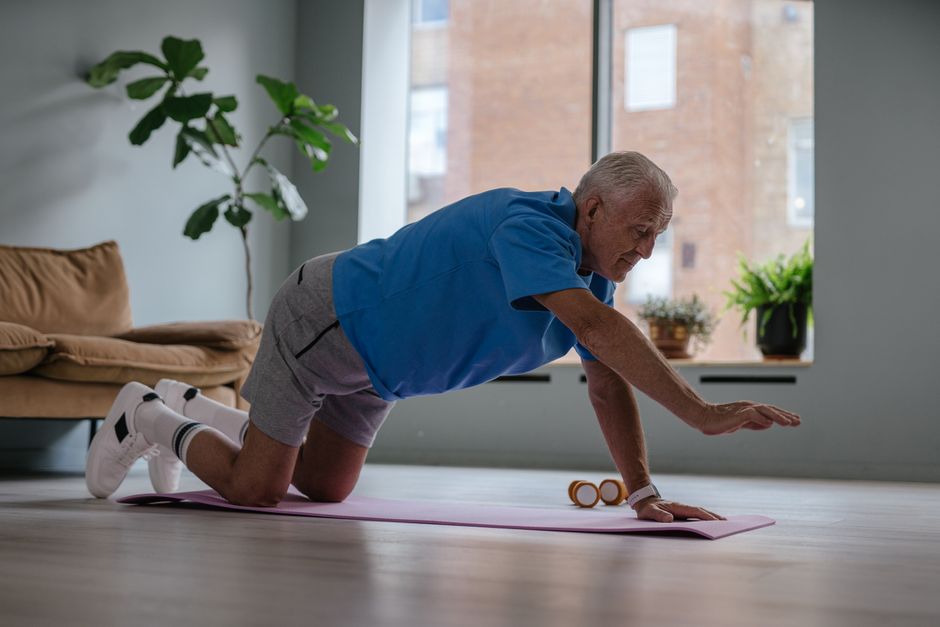
Scapular dyskinesis is an alteration in the normal position or motion of the shoulder blade during arm movement. The fix involves a structured program of specific exercises to restore muscle activation, followed by a gradual return to full activity. Recovery time varies, but most people see meaningful improvement within 6 to 12 weeks of consistent daily exercise and postural correction.
What Exactly Is Scapular Dyskinesis?
The scapula, or shoulder blade, is the base for all arm movement. It is a flat bone that sits on the rib cage and must glide, rotate, and tilt in precise patterns. When those patterns break down, the condition is called scapular dyskinesis.
It is not a single diagnosis. It is a descriptive term for altered scapular motion. The change can be subtle, visible only during specific movements, or obvious enough to cause a visible winging of the shoulder blade. The key issue is that the muscles controlling the scapula are not firing in the correct sequence or with the correct timing.
The primary muscles involved are the serratus anterior, which holds the scapula flat against the rib cage, and the lower trapezius, which controls downward rotation. When these muscles are weak or inhibited, the upper trapezius and levator scapulae often overwork to compensate. This imbalance is the mechanical core of the problem.
Scapular dyskinesis is not a disease. It is a movement fault that can contribute to shoulder pain, impingement, and rotator cuff problems. Some people have it with no pain at all. Others develop significant symptoms that limit daily activities and athletic performance.
What Causes Scapular Dyskinesis?
Several factors can disrupt normal scapular motion. The most common cause is muscle imbalance from prolonged poor posture. Sitting at a desk for hours with rounded shoulders and a forward head position shortens the chest muscles and lengthens the muscles between the shoulder blades.
Injury is another common trigger. A shoulder injury, even a minor one, can alter the way the nervous system activates the scapular muscles. This is a protective response that becomes habitual. The altered pattern persists long after the original injury has healed.
Overuse in sports is also a factor. Swimmers, tennis players, and overhead athletes place high demands on the scapular stabilizers. When fatigue sets in, the movement pattern degrades and dyskinesis develops.
Weakness is not the only issue. Sometimes the problem is poor neuromuscular control. The muscles are strong enough but fire at the wrong time. This timing problem requires retraining, not just strengthening.
How To Fix Scapular Dyskinesis Exercises And Recovery: The Core Program
The foundation of treating scapular dyskinesis is a progressive exercise program. The program has three phases: activation, strengthening, and functional integration. Each phase builds on the previous one.
Phase one: Activation. This phase focuses on waking up the underactive muscles. The goal is conscious control of the scapula in simple positions. A common starting exercise is the scapular clock. Imagine the shoulder blade is the center of a clock face. Move the scapula toward 12 o’clock, 3 o’clock, 6 o’clock, and 9 o’clock without moving the arm. This teaches isolated control.
Another activation exercise is the wall slide. Stand with your back against a wall, arms raised to shoulder height with elbows bent at 90 degrees. Slide the arms up the wall while keeping the shoulder blades pressed against the wall. This activates the lower trapezius and serratus anterior simultaneously.
Phase two: Strengthening. Once you can control the scapula without the arm moving, add resistance. The prone Y-T-W exercise is a standard progression. Lie face down on a mat. Raise your arms to form a Y shape, then a T shape, then a W shape. Each position is held for two seconds before lowering. This targets the lower trapezius, middle trapezius, and rhomboids.
The serratus anterior punch is another key exercise. Stand with a resistance band anchored behind you. Hold the band at chest height and punch forward, allowing the scapula to protract fully at the end of the movement. This directly targets the serratus anterior, the primary stabilizer of the scapula.
Phase three: Functional integration. This phase combines scapular control with arm movement. The goal is to retrain the automatic patterns used in daily life and sport. Push-ups with a plus are effective. Perform a standard push-up, then at the top of the movement push the floor away to protract the scapula fully.
Overhead carries and controlled throwing motions are also useful in this phase. The key is quality over quantity. Every repetition should be performed with deliberate scapular control. Speed is added only after the correct pattern is automatic.





Posture Correction: The Missing Piece
Exercise alone is often not enough. Postural habits must change or the problem will return. The scapula sits on the rib cage. If the rib cage is slumped forward, the scapula cannot move correctly no matter how strong the muscles become.
Postural correction starts with awareness. Set a reminder to check your posture every 20 minutes during work. The ears should be over the shoulders, and the shoulder blades should sit flat against the rib cage. This is not about forcing a rigid military posture. It is about finding a relaxed neutral position.
Stretching the chest muscles is a necessary complement to strengthening the back. The pectoralis minor, in particular, pulls the scapula forward when tight. A doorway stretch is simple and effective. Place your forearm on a doorframe with the elbow at shoulder height. Gently turn your body away from the arm until you feel a stretch across the chest. Hold for 30 seconds.
Ergonomic adjustments matter too. Your computer monitor should be at eye level. Your chair should support your lower back. The goal is to make good posture the default position rather than an effort.
How Long Does Recovery Take?
Recovery time depends on the severity of the dyskinesis and the consistency of the exercise program. Most people notice improved scapular control within two to three weeks of daily exercise. Full correction of the movement pattern typically takes six to twelve weeks.
Some cases resolve faster. Mild dyskinesis in a young, otherwise healthy person may improve in four weeks. Severe cases with significant muscle inhibition can take three months or longer. The presence of concurrent shoulder pathology, such as a rotator cuff tear, extends the timeline.
Consistency is the single most important factor. Performing the exercises twice per week is unlikely to produce meaningful change. Daily practice, even for ten minutes, is more effective than longer sessions done sporadically.
Pain during exercise is a warning sign. Mild muscle fatigue is expected. Sharp pain, especially in the shoulder joint, indicates the exercise is too advanced or the technique is incorrect. Stop and reassess rather than pushing through.
When To See A Professional
Scapular dyskinesis often responds well to a home exercise program. However, some situations warrant professional evaluation. If you have persistent shoulder pain lasting more than two weeks, see a healthcare provider. Pain is different from a movement fault.
Visible winging of the shoulder blade that appears suddenly, especially after an injury, requires medical evaluation. This can indicate nerve damage, particularly to the long thoracic nerve which supplies the serratus anterior. This is a different condition that requires specific treatment.
A physical therapist can provide a formal movement assessment. They can identify which specific muscles are underactive and which are overactive in your individual pattern. This allows for a targeted program rather than a general one.
Imaging such as X-ray or MRI is not routinely needed for scapular dyskinesis. These tests are used when there is suspicion of an underlying structural injury such as a fracture, dislocation, or rotator cuff tear.
Common Mistakes That Slow Recovery
Several errors commonly delay recovery. The most frequent is doing too much too soon. Overloading the scapular muscles before they have learned correct activation patterns reinforces faulty movement. Master the activation phase before adding significant resistance.
Another mistake is ignoring the chest. Strengthening the back while the chest remains tight is counterproductive. The tight chest muscles will continue to pull the scapula forward, fighting the work done by the back muscles.
Some people focus exclusively on the scapula and ignore the rest of the kinetic chain. The scapula does not move in isolation. Core stability and hip control influence scapular position. A comprehensive approach includes core strengthening and full-body movement patterns.
Finally, many people abandon the program once symptoms improve. The movement pattern that caused the dyskinesis developed over months or years. It takes continued practice to maintain the corrected pattern. A maintenance program of two to three sessions per week is recommended after recovery.
Frequently Asked Questions
Can scapular dyskinesis be cured completely?
Yes, most cases can be fully corrected with consistent exercise and postural changes. The key is maintaining the corrected movement pattern after symptoms resolve to prevent recurrence.
Is scapular dyskinesis the same as a winged scapula?
No, winging is one visible sign of dyskinesis, but dyskinesis includes many other altered motion patterns. Full winging often indicates nerve involvement and requires medical evaluation.
Can I do push-ups with scapular dyskinesis?
Yes, push-ups with a plus are actually beneficial because they train scapular protraction. Start with wall push-ups and progress to floor push-ups only when you can control the scapula throughout the movement.
Does scapular dyskinesis require surgery?
Surgery is rarely needed for scapular dyskinesis itself. It may be considered only when conservative treatment fails for many months or when nerve damage is confirmed.
