
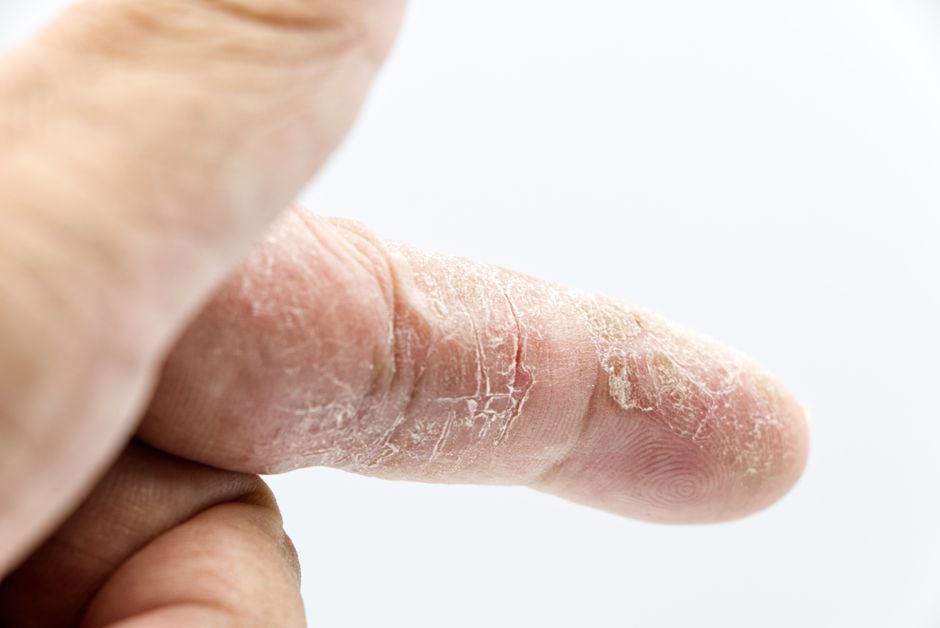
A degloved hand is a severe injury where the skin and soft tissue are torn away from the underlying muscles, bones, or tendons, often like removing a glove. This is a medical emergency that requires immediate surgical care to save the hand and restore function. The treatment involves complex reconstructive surgery, and recovery typically takes months of dedicated therapy to regain movement and strength.
What Exactly Is A Degloving Injury?
Degloving is a specific type of avulsion injury. The skin and subcutaneous fat are pulled or ripped off the deeper structures of the body. When this happens on the hand, the exposed bones, tendons, and nerves are left vulnerable to infection and further damage.
There are two main types of degloving. An open degloving injury means the tissue is completely removed and the underlying structures are exposed. A closed degloving injury, also called a Morel-Lavallée lesion, happens when the skin stays intact on the surface but the tissue underneath is sheared away from the muscle and bone. Both types are serious and require medical attention.
For the hand specifically, the skin is thin and tightly connected to the structures beneath it. This makes the hand particularly vulnerable to this type of shearing force. Even a small degloving injury on a finger can be functionally devastating because of the intricate network of tendons and nerves in that small space.
What Are The Most Common Causes?
Degloving injuries almost always result from high-energy trauma. The most common cause is a crushing or shearing force. This often happens when a hand gets caught between two rollers in industrial machinery, like a printing press or a conveyor belt.
Road traffic accidents are another leading cause. A hand can be dragged along the pavement or caught in the mechanism of a vehicle. Ring avulsion injuries are a specific and well-documented cause. If a ring catches on a nail, hook, or piece of machinery, the force can rip the skin and soft tissue off the finger, often along with the tendons and sometimes the bone.
Other causes include farming equipment, sports injuries from high-speed falls, and any incident where the hand is forcefully pulled or crushed. The common thread is a combination of compression and traction that exceeds the strength of the skin’s attachment to the underlying tissue.
What Are The Immediate Signs And Symptoms?
The signs of a degloved hand are usually obvious. The skin may be completely missing, revealing bone, tendons, and muscle. In closed degloving injuries, the skin may look intact but will often feel loose, numb, or have a large area of bruising and swelling underneath.
Severe pain is expected, though nerve damage can sometimes cause numbness instead. The hand may appear pale or blue if blood flow is compromised. Bleeding can be significant, and the exposed tissue is at immediate risk of contamination.
If you witness this type of injury, do not attempt to push the skin back into place. Cover the wound with a clean, moist cloth if possible. If a piece of skin or tissue has been completely torn off, wrap it in a clean cloth, place it in a sealed plastic bag, and put that bag in a container of ice water. Do not let the tissue touch ice directly, as this can cause frostbite and destroy the tissue. Get the person to an emergency department immediately.
How Is A Degloved Hand Treated?
Treatment begins in the emergency room. The priority is to control bleeding, clean the wound to prevent infection, and assess the extent of damage to nerves, blood vessels, and bones. This often requires imaging such as X-rays to check for fractures.
Surgery is always required. The goals of surgery are to restore blood flow, cover the exposed structures, and preserve as much function as possible. The specific surgical approach depends on the severity and location of the injury.
Surgical Options
For small injuries, a skin graft may be sufficient. A thin layer of skin is taken from another part of the body and placed over the wound. This works well when the underlying tissue is healthy and has good blood supply.
For deeper injuries where tendons or bones are exposed, a flap surgery is often necessary. Flap surgery moves a piece of tissue, including its blood supply, from another part of the body to the injured area. This provides better coverage and helps protect the deeper structures. The flap can be taken from the forearm, groin, or other areas depending on the size of the wound.
If blood vessels were damaged, a vascular surgeon may need to reconnect them using microsurgery. This is a highly specialized procedure that uses a microscope to stitch together tiny blood vessels. In the most severe cases, where the blood supply cannot be restored or the tissue is too damaged, amputation may be the only option to prevent further complications.
What Does Recovery Look Like?
Recovery from a degloved hand injury is a long process. The initial hospital stay can last days to weeks, depending on the complexity of the surgery. The primary focus during this time is wound healing and preventing infection.
Once the surgical site is stable, rehabilitation begins. This is where the real work of recovery happens. Physical and occupational therapy are essential. The goal is to regain range of motion, strength, and fine motor skills. Therapy often starts with gentle passive movements and progresses to active exercises as healing allows.
Nerve recovery is often the slowest part. Nerves grow at a rate of about one millimeter per day. If a nerve was damaged, it may take months to notice sensation returning. Complete recovery of sensation is not always possible, and some degree of permanent numbness or tingling is common.
Scar tissue can also limit movement. The scar from a degloving injury is often thick and can adhere to the underlying tendons, restricting their movement. Therapists use specific techniques, including massage and splinting, to manage scar tissue and prevent stiffness.
Here is a general timeline of what to expect:
- Weeks 1-2: Hospitalization, wound care, and initial healing.
- Weeks 3-8: Sutures removed, splinting, and beginning gentle therapy.
- Months 2-6: Active therapy to build strength and range of motion.
- Months 6-12: Continued therapy, scar management, and functional retraining.
This timeline varies widely. The severity of the injury and the individual’s overall health significantly affect the pace of recovery. Some people require multiple additional surgeries over the following months to improve function or appearance.
What Are The Long-Term Outcomes?
The long-term outcome depends heavily on the severity of the initial injury and the quality of surgical care. A minor degloving of a fingertip may heal with near-normal function. A severe degloving of the entire hand often results in permanent disability.
Most patients experience some degree of permanent stiffness, reduced grip strength, and altered sensation. Cold intolerance is a common long-term complaint, particularly if blood vessels were injured. The skin in the affected area may be more sensitive to temperature changes.
Psychological recovery is also a real part of the process. This is a traumatic event, and it is normal to experience anxiety, depression, or post-traumatic stress. Seeking support from a mental health professional is often as important as physical therapy.
Returning to work depends on the demands of the job. Someone with a desk job may return within a few months. Someone who relies on heavy manual labor may never return to the same occupation. Vocational rehabilitation may be necessary to explore alternative work options.
How Can Degloving Injuries Be Prevented?
Prevention focuses on avoiding the high-energy trauma that causes these injuries. In the workplace, machine guarding is the most critical safety measure. Equipment with rollers, gears, or pinch points must have proper guards to prevent hands from being pulled in.
Lockout/tagout procedures are also essential. These procedures ensure that machinery is completely powered down and cannot be accidentally started before maintenance or cleaning begins. Never reach into a machine that is still running or could start unexpectedly.
For everyday life, the most practical prevention is simple: do not wear rings when working with machinery, tools, or anything that could catch them. Ring avulsion injuries are almost entirely preventable by removing rings before physical work. This includes working on cars, using power tools, or playing contact sports.
Being aware of your surroundings and avoiding putting your hands in high-risk positions is the most basic form of prevention. When a machine jams, turn it off before reaching in. When you fall, resist the instinct to put your hand out to break the fall if you are near moving equipment.
Frequently Asked Questions
Can a degloved hand be fully restored?
Complete restoration to the pre-injury state is rare for severe degloving injuries. Most patients regain useful function but experience some permanent stiffness, weakness, or altered sensation.
How long does it take to recover from a degloved hand?
The initial healing takes weeks, but full recovery typically takes six to twelve months. Some patients continue to see improvements for up to two years, especially regarding nerve regeneration.
Is a degloving injury life-threatening?
Degloving itself is not immediately life-threatening, but it carries serious risks of severe blood loss and infection. Prompt emergency care is critical to prevent these complications.
What is the difference between a skin graft and a flap?
A skin graft is a thin layer of skin without its own blood supply, relying on the wound bed to heal. A flap includes deeper tissue with its own blood supply, making it necessary for covering bone, tendons, or large wounds.
