
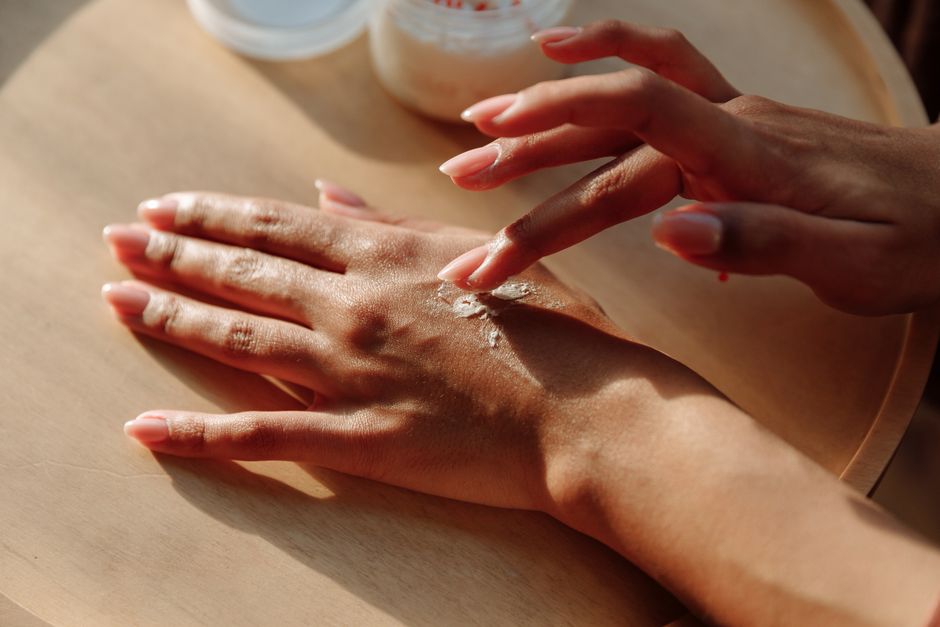
Hand eczema is one of the most frustrating skin conditions to live with. It itches, burns, cracks, and can make everyday tasks like washing dishes or typing feel painful. The good news is that treatment has come a long way, and most people can find real relief. The path usually starts with simple moisturizers and steroid creams, then moves to stronger prescription options, and in severe cases, newer biologic injections. The right treatment depends entirely on how severe your case is and how well your skin responds to each step.
What Is Hand Eczema And Why Does It Keep Coming Back?
Hand eczema is an inflammation of the skin on your hands. It is not one single disease. It can be triggered by irritants like soap and cleaning products, by allergies to things like nickel or fragrance, or by genetics. Atopic dermatitis, the most common form of eczema, often appears on the hands in adults. Irritant contact dermatitis is another common type, especially for people who work with wet hands or chemicals.
The skin barrier in people with eczema does not hold moisture well. It becomes dry, cracked, and easily irritated. When the barrier is broken, irritants and allergens get in more easily, which triggers the immune system to respond with inflammation. That inflammation causes the redness, itching, and flaking you see. Each flare damages the skin further, which is why untreated hand eczema tends to get worse over time rather than better.
Where To Start: Moisturizers And Over-The-Counter Creams
For mild hand eczema, consistent moisturizing is the first line of defense. The goal is to repair the skin barrier and keep irritants out. Thick creams and ointments work better than lotions because they contain more oil and less water. Petroleum jelly, shea butter, and products with ceramides are common choices. Apply them after every hand wash and before bed. Wearing cotton gloves over a thick layer of moisturizer overnight can significantly improve moisture retention.
Over-the-counter hydrocortisone cream, usually at 1% strength, can reduce mild inflammation. It is safe for short-term use on small areas, but it should not be used continuously for weeks. If your eczema does not improve after a week or two of consistent moisturizing and occasional hydrocortisone, it is time to see a doctor. Prolonged use of even mild steroids can thin the skin, especially on the back of the hands.
Prescription Topical Treatments: Steroids And Beyond
When over-the-counter options fail, a dermatologist will typically prescribe a stronger topical corticosteroid. These come in different potencies. Common examples include triamcinolone, clobetasol, and betamethasone. These are effective at calming inflammation quickly. They are usually applied once or twice daily for a limited period, often two to four weeks, followed by a break. Using them sparingly and only on affected areas reduces the risk of skin thinning and stretch marks.
For people who need long-term control, steroid-sparing topical medications are available. Topical calcineurin inhibitors like tacrolimus and pimecrolimus are non-steroidal options. They reduce inflammation without thinning the skin. They are particularly useful for maintenance therapy, meaning you apply them less frequently to keep flares from returning. Some people feel a burning sensation when they first apply these, but it usually fades after a few days.
Another prescription option is topical phosphodiesterase-4 inhibitors, such as crisaborole. This ointment is approved for mild to moderate eczema and works by blocking an enzyme involved in inflammation. It is a newer option and can be used on sensitive areas. Some research suggests it works best for milder cases, and it may not be strong enough for moderate to severe hand eczema.





Phototherapy And Oral Medications For Stubborn Cases
If topical treatments are not enough, your doctor may suggest phototherapy. This involves exposing the hands to controlled amounts of ultraviolet light under medical supervision. Narrowband UVB light is the most common type used for hand eczema. It suppresses the immune response in the skin and can be very effective. The downside is that it requires multiple clinic visits each week for several weeks, which is not practical for everyone. Home units exist, but they require careful training and monitoring.
Oral medications are another step up. Methotrexate and cyclosporine are systemic immunosuppressants that have been used for years to treat severe eczema that does not respond to topical care. They work by dampening the overactive immune response. These drugs require regular blood tests to monitor liver and kidney function. Cyclosporine works quickly, but it is not ideal for long-term use due to blood pressure and kidney risks. Methotrexate takes longer to work, often six to eight weeks, but can be used for longer periods at lower doses.
Alitretinoin is an oral retinoid specifically approved in some countries for severe chronic hand eczema that has not responded to potent topical steroids. It is not approved in the United States, where it remains unavailable. In studies, it has shown significant improvement in many people, but it causes birth defects and requires strict pregnancy prevention measures. It is also associated with headaches, dry skin, and elevated cholesterol and triglycerides.
Biologics And JAK Inhibitors: The Newest Options
Biologics are injectable medications that target specific parts of the immune system. Dupilumab is the most widely used biologic for eczema. It blocks a protein called interleukin-4 and its receptor, which reduces the inflammation that drives eczema. It is approved for moderate to severe atopic dermatitis in adults and children. Many dermatologists now prescribe it for severe hand eczema, especially when the hands are part of a broader atopic pattern. It is given as an injection every two to four weeks.
Clinical trials have shown that dupilumab significantly reduces itch and skin lesions in people with moderate to severe eczema. For hand eczema specifically, some studies have demonstrated marked improvement, though it is not officially approved for hand eczema alone. The evidence is strong enough that many specialists consider it an excellent option for severe, treatment-resistant cases. Common side effects include injection site reactions, eye irritation, and conjunctivitis.
JAK inhibitors are a newer class of oral medications. Tofacitinib, upadacitinib, and abrocitinib are examples. They work by blocking enzymes inside immune cells that drive inflammation. Abrocitinib and upadacitinib are approved for moderate to severe atopic dermatitis. They work quickly, often within weeks, and are taken as daily pills. They are effective for hand eczema, though they carry warnings about infections, blood clots, and heart risks in certain populations. These drugs are not first-line treatments. They are reserved for people who have not responded to topical therapy or biologics.
How To Choose The Right Treatment Path
There is no single best treatment for hand eczema. The right choice depends on severity, how long you have had the condition, and what has already failed. A mild case that flares only in winter may respond well to moisturizers and occasional steroid cream. A chronic case that has been present for years with deep cracks and bleeding needs a more aggressive approach.
Your doctor will usually start with the least invasive option and step up if needed. This is called step therapy. It is a sensible approach because it minimizes side effects and cost. However, if your hand eczema is clearly severe from the start, many dermatologists will move directly to stronger treatments like phototherapy, oral medications, or biologics rather than spending months on creams that are unlikely to work.
It is also important to identify and avoid triggers. If your eczema is caused by irritants, no cream will fully control it unless you change your habits. Wear gloves for wet work, use fragrance-free soaps, and moisturize immediately after washing. If you suspect an allergy, patch testing can identify specific allergens like nickel, rubber accelerators, or fragrances that may be driving your flares.
What To Expect From Treatment And How Long It Takes
Most people see improvement within two to four weeks of starting an effective topical treatment. Steroid creams work fastest, often reducing redness and itching within a few days. Moisturizers alone take longer, sometimes several weeks, to visibly repair the skin barrier. Biologics and JAK inhibitors generally take two to four weeks to show meaningful improvement, with full effects seen by three to six months.
Hand eczema is a chronic condition. Even with successful treatment, it can return when you stop treatment or when you are exposed to triggers. Maintenance therapy is common. This means using a lower-dose steroid or a non-steroidal topical on a schedule, even when your skin looks clear, to prevent flares. Some people can eventually taper off all prescription treatments and manage with moisturizers alone. Others need ongoing therapy for years.
If your skin does not improve after several weeks of a treatment, tell your doctor. Do not keep using a cream that is not working. There are many options, and switching to a different class of medication often brings relief. Severe, untreated hand eczema can lead to secondary bacterial infections, permanent skin thickening, and significant impact on work and quality of life. Persistent treatment is worth it.
Frequently Asked Questions
Can hand eczema go away permanently?
Hand eczema can go into long periods of remission, but it often returns when triggers are present. It is a chronic condition for most people, not a one-time event.
Is it safe to use steroid cream on hands every day?
Daily use of potent steroids on the hands can thin the skin over time. Use them only as directed by your doctor, usually for a limited course, and take breaks between courses.
Are biologics better than steroid creams for hand eczema?
Biologics are not necessarily better, but they work differently and are stronger for severe cases. They are reserved for people who do not respond to topical treatments or who need long-term control without steroid side effects.
How quickly do JAK inhibitors work for hand eczema?
JAK inhibitors often improve itching and skin lesions within two to four weeks. Full benefits may take up to three months of daily use.
