
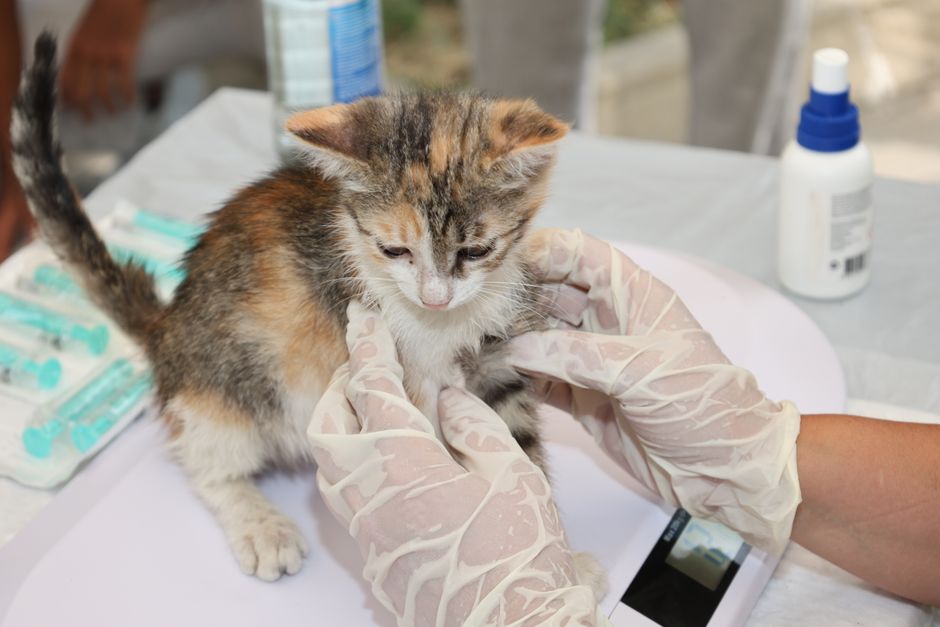
Fading kitten syndrome is not a single disease. It is a pattern of decline in a newborn kitten, usually in the first six weeks of life, where the kitten fails to thrive and can die quickly. At home, your job is to provide immediate supportive care — warmth, hydration, and nutrition — while understanding that the underlying cause may be a serious infection or birth defect that requires a veterinarian. Acting fast and correctly can give a fading kitten its best chance, but home treatment is never a substitute for professional veterinary care.
What Is Fading Kitten Syndrome?
Fading kitten syndrome describes a kitten that is born seemingly healthy but then stops thriving. The kitten may become lethargic, stop nursing, cry weakly, and lose weight. Without intervention, the decline can be rapid, sometimes within hours.
This is not a diagnosis. It is a description of symptoms that can come from many different causes. Some kittens fade because of birth defects, some from infections, and some from environmental problems like being too cold or not getting enough milk. Because the causes vary, the outcome is uncertain even with the best care.
How To Treat Fading Kitten Syndrome At Home
Home treatment focuses on the three most immediate threats: hypothermia, dehydration, and low blood sugar. These three problems can quickly become fatal, and they are the ones you can act on while arranging veterinary care.
First, warm the kitten. A kitten that is cold cannot digest food, and its heart rate slows dangerously. Use a heating pad set to low, a warm water bottle wrapped in a towel, or a rice sock warmed in the microwave. Never place the kitten directly on a heat source without a barrier. The goal is a warm environment, around 85-90°F, not a hot one.
Second, address hydration and blood sugar. If the kitten is weak but able to swallow, you can offer a commercial kitten milk replacer. Do not use cow’s milk. For a kitten that is limp or unresponsive, a drop of corn syrup or honey rubbed on the gums can raise blood sugar quickly. This is a temporary measure only. Dehydration requires fluids, and severely dehydrated kittens often need subcutaneous or intravenous fluids from a veterinarian.
Third, contact a veterinarian immediately. Even if your home care stabilizes the kitten, fading kitten syndrome often has an underlying cause that home treatment cannot fix. A kitten with an infection needs antibiotics. A kitten with a birth defect may need surgery or humane euthanasia. Delaying veterinary care because the kitten seems better can be a fatal mistake.
Recognizing the Signs Early
Early signs of fading kitten syndrome are subtle. A healthy kitten nurses vigorously, sleeps curled up with littermates, and has a round, full belly. A fading kitten may be separated from the litter, lying flat instead of curled, and crying with a weak, high-pitched sound.
Weight is the most reliable early indicator. A healthy kitten should gain weight daily. If you are bottle-raising kittens, weigh them at the same time each day on a kitchen scale. A kitten that is not gaining or is losing weight is in trouble, even if it looks okay otherwise.
Other signs include pale gums, a cold body, and a kitten that feels limp when picked up. A kitten that is not nursing for more than a few hours is at serious risk. Do not wait for multiple signs to appear. One sign, especially weight loss or lethargy, is enough to act.





Why Kittens Fade: The Underlying Causes
Fading kitten syndrome has many causes, and identifying the cause matters for treatment. Some causes are preventable. Others are not.
Infections are common causes. Fading kittens often have bacterial infections, such as from umbilical cord infections, or viral infections like feline herpesvirus. These infections can spread rapidly in a litter, so a fading kitten should be isolated from its siblings to protect them.
Birth defects are another major cause. These can be internal, like heart defects, and may not be visible from the outside. A kitten with a birth defect may simply be unable to thrive no matter what you do. Maternal factors also play a role. A queen with poor nutrition, an infection, or inadequate milk production can produce kittens that fade.
Environmental factors matter too. Newborn kittens cannot regulate their own body temperature for the first few weeks. If the nest is too cold, the kitten’s body uses energy to stay warm instead of growing. This is why warmth is the first priority in home care.
Feeding a Fading Kitten Safely
Feeding a fading kitten requires caution. A kitten that is cold or dehydrated cannot digest milk properly. You must warm the kitten first, then feed. Feeding a cold kitten can cause the milk to pool in the stomach, leading to aspiration or bloat.
Use a commercial kitten milk replacer formulated for kittens. Follow the mixing instructions on the package exactly. Do not add extra powder to make it “stronger” — this can cause diarrhea, which worsens dehydration. Feed the kitten in an upright, belly-down position, never on its back. Use a kitten bottle or syringe, and let the kitten suck at its own pace.
How much to feed depends on the kitten’s age and size, but a general guideline is about 8 milliliters of formula per ounce of body weight per day, divided into multiple small feedings. Feed every 2-3 hours around the clock for the first few weeks. If the kitten is too weak to suck, a veterinarian can place a feeding tube. Do not force milk into a kitten that cannot swallow properly — this can cause aspiration pneumonia.
When Home Treatment Is Not Enough
There are clear signs that a fading kitten needs emergency veterinary care. Seizures, difficulty breathing, blood in the stool or urine, and a kitten that is limp or unresponsive are all emergencies. A kitten that has not urinated or defecated in 24 hours also needs immediate attention.
Some fading kittens cannot be saved even with the best care. This is a hard truth. The mortality rate for fading kitten syndrome is high, and many kittens die despite aggressive treatment. If a kitten is suffering and has no reasonable chance of recovery, euthanasia may be the kindest option. A veterinarian can help you make this decision based on the kitten’s specific condition.
Do not blame yourself if a kitten fades despite your efforts. Many causes are beyond your control, and you cannot prevent every loss. What you can do is give each kitten the best possible chance by acting quickly, providing basic supportive care, and involving a veterinarian early.
Preventing Fading Kitten Syndrome in Future Litters
Prevention starts with the mother. A queen that is healthy, well-nourished, and up to date on vaccinations is less likely to produce fading kittens. Provide high-quality kitten food to a pregnant or nursing queen, and make sure she has a quiet, stress-free place to give birth.
Monitor newborns closely in the first weeks. Weigh them daily, watch for nursing, and keep the nest warm and clean. Umbilical cords should be checked for signs of infection, such as redness or discharge. If you notice any kitten that seems weaker than its littermates, act immediately rather than waiting to see if it improves.
If you have had multiple litters with fading kittens, talk to a veterinarian about genetic screening for the queen and the tom. Some inherited conditions that cause fading can be identified before breeding. In some cases, retiring a queen from breeding is the responsible choice.
Frequently Asked Questions
Can a fading kitten survive with home care alone?
Some kittens can survive with prompt home care, but many have underlying infections or defects that require veterinary treatment. Home care is a temporary measure, not a replacement for professional help.
How often should I feed a fading kitten?
Feed a fading kitten every 2-3 hours around the clock, including overnight. A kitten that is too weak to nurse may need a feeding tube placed by a veterinarian.
What is the survival rate for fading kitten syndrome?
The survival rate is highly variable and depends on the underlying cause. Kittens with simple environmental problems like hypothermia have a better chance, while those with severe birth defects often do not survive.
How do I keep a fading kitten warm?
Use a heating pad on low, a warm water bottle wrapped in a towel, or a microwaved rice sock. Keep the kitten’s environment around 85-90°F and never place the kitten directly on a heat source.
