

Ramsay Hunt syndrome happens when the varicella-zoster virus — the same virus that causes chickenpox and shingles — reactivates in a nerve near your face. The best way to prevent it is to get the shingles vaccine, especially if you are 50 or older. If you have already had chickenpox, you carry the virus, and the vaccine significantly lowers your risk of a later reactivation. Along with vaccination, keeping your immune system strong and recognizing early symptoms quickly are your most practical lines of defense.
What Is Ramsay Hunt Syndrome?
Ramsay Hunt syndrome is a complication of shingles. When the varicella-zoster virus reactivates, it travels along a nerve pathway. In most shingles cases, that means a painful rash on the torso. In Ramsay Hunt syndrome, the virus affects the geniculate ganglion — a cluster of nerves near your ear.
This causes a painful rash inside or around the ear, and often on the face. Because the facial nerve runs through that area, the condition frequently causes facial paralysis on the same side as the rash. Some people also experience hearing loss, ringing in the ear, dizziness, or a change in taste.
The condition is named after the physician who described it in the early 1900s. It is not common, but it is serious. Most people who get it are over 60, though it can occur at any age.
How Does the Shingles Vaccine Prevent Ramsay Hunt Syndrome?
The shingles vaccine works by training your immune system to recognize the varicella-zoster virus. If the virus tries to reactivate, your immune system can stop it before it causes disease. Because Ramsay Hunt syndrome is simply shingles affecting a facial nerve, preventing shingles prevents Ramsay Hunt syndrome.
The current vaccine is a recombinant vaccine called Shingrix. It is given in two doses, usually two to six months apart. It is not a live vaccine, which means it is safe for people with weakened immune systems — a group that is at higher risk for shingles complications.
Clinical trials and real-world studies show the vaccine is highly effective at preventing shingles. It also reduces the risk of postherpetic neuralgia, the long-term nerve pain that can follow a shingles outbreak. Because Ramsay Hunt syndrome is a form of shingles, the same protection applies.
Who Should Get the Shingles Vaccine?
The vaccine is recommended for adults 50 and older. That recommendation is based on the fact that shingles risk rises sharply with age, as does the risk of complications. The vaccine is also recommended for adults 19 and older who have weakened immune systems due to illness or medication.
You should not get the vaccine if you are pregnant, or if you have had a severe allergic reaction to a previous dose or to any of its components. If you are in the middle of an active shingles outbreak, wait until the rash has cleared before getting vaccinated.
People who have already had shingles should still get vaccinated. Having shingles once does not guarantee you will not get it again. In fact, a second episode is possible, and the vaccine offers protection against future occurrences.


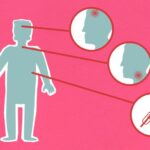


How To Prevent Ramsay Hunt Syndrome Vaccine And Tips for Everyday Life
Vaccination is the single most effective prevention strategy. But there are additional steps that make sense, especially if you are not yet eligible for the vaccine or if you are waiting between doses.
Keep your immune system in good shape. The varicella-zoster virus stays dormant in your nerve tissue for life after a chickenpox infection. A strong immune system keeps it in check. Sleep, regular physical activity, and managing chronic stress all support immune function. There is no evidence that any supplement can prevent shingles, so be cautious of products that claim otherwise.
If you have a medical condition that weakens your immune system — such as HIV, cancer, or an autoimmune disease — talk to your doctor about your shingles risk. The same applies if you take immunosuppressive medications like steroids or biologics. Your doctor can help you time the vaccine appropriately.
Learn the early signs. Shingles often begins with burning, tingling, or pain in one area of the body before any rash appears. If you feel this sensation on your face or around your ear, see a doctor immediately. Antiviral medications work best when started within 72 hours of the rash appearing. Early treatment does not prevent Ramsay Hunt syndrome, but it can reduce the severity and duration of the illness.
What If You Already Had Ramsay Hunt Syndrome?
If you have had Ramsay Hunt syndrome in the past, you can still get the shingles vaccine. In fact, it is recommended. The vaccine will not treat the current episode or reverse any damage already done, but it can reduce your risk of a future reactivation.
Recovery from Ramsay Hunt syndrome varies. Some people recover fully within a few weeks. Others experience lasting facial weakness or hearing loss. Prompt treatment with antiviral medication improves the odds of full recovery, but it does not guarantee it. The earlier treatment begins, the better the outlook tends to be.
What About the Chickenpox Vaccine?
If you never had chickenpox, the varicella vaccine is a different prevention tool. It prevents the initial chickenpox infection. If you never get chickenpox, you never carry the dormant virus, which means you cannot develop shingles or Ramsay Hunt syndrome later.
Most adults in the United States had chickenpox as children, before the varicella vaccine became routine in 1995. If you are unsure whether you had chickenpox, a blood test can check for antibodies. If you have never had chickenpox and have never been vaccinated against it, talk to your doctor about the varicella vaccine.
It is important to understand the difference. The varicella vaccine prevents chickenpox. The shingles vaccine prevents reactivation of the virus in people who already carry it. They serve different purposes and are not interchangeable.
Is Ramsay Hunt Syndrome Contagious?
Ramsay Hunt syndrome itself is not contagious. However, the virus that causes it is. During an active outbreak, the fluid in the blisters contains live varicella-zoster virus. If someone who has never had chickenpox comes into contact with that fluid, they could develop chickenpox.
People with an active shingles rash should keep the rash covered and wash their hands frequently. They should avoid contact with pregnant women who have not had chickenpox, premature infants, and people with weakened immune systems. Once the blisters have crusted over, the person is no longer contagious.
You cannot catch shingles or Ramsay Hunt syndrome directly from someone else. You can only catch chickenpox from contact with the virus, and then the virus stays in your body for life.
When To See a Doctor
See a doctor right away if you develop a painful rash on your face, especially near your ear, or if you notice sudden facial weakness or drooping. These symptoms can also be caused by other conditions, including Bell’s palsy or a stroke, so a medical evaluation is essential.
If you have pain or tingling on one side of your face before a rash appears, do not wait. Antiviral treatment is most effective when started early, even before the rash is visible. A doctor can assess your symptoms and determine the appropriate course of action.
If you have already been diagnosed with Ramsay Hunt syndrome and your symptoms are not improving, or if you develop new symptoms like severe headache, stiff neck, or confusion, seek medical care promptly.
Frequently Asked Questions
Can the shingles vaccine prevent Ramsay Hunt syndrome?
Yes. Ramsay Hunt syndrome is caused by the same virus that causes shingles, so preventing shingles with the vaccine also prevents Ramsay Hunt syndrome.
Who should get the shingles vaccine?
Adults 50 and older, and adults 19 and older with weakened immune systems, should get the shingles vaccine. It is given in two doses.
Is Ramsay Hunt syndrome contagious?
No, but the virus in the blisters can spread chickenpox to someone who has never had it. Keep the rash covered until the blisters crust over.
What should I do if I think I have Ramsay Hunt syndrome?
See a doctor immediately. Antiviral medication works best when started within 72 hours of the rash appearing, and early treatment improves recovery odds.
