
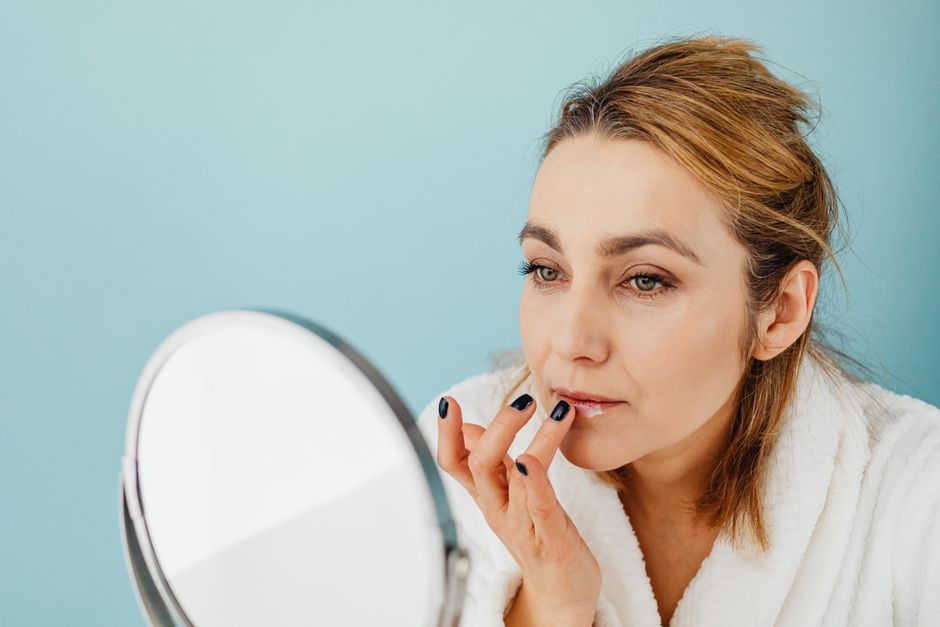
Chapped lips are one of the most common skin complaints, yet most people treat them wrong. They lick their lips, pick at the flaking skin, and apply waxy balms that seal in nothing but dryness. The truth is that effective treatment comes down to understanding why lips dry out in the first place and choosing products that restore the skin barrier rather than just coating it. Here is what actually works, what is a waste of money, and how to stop the cycle for good.
Why Do Lips Get Chapped in the First Place?
Your lips do not have oil glands like the rest of your skin. They also have a thinner outer layer called the stratum corneum. That means moisture evaporates from them faster than from anywhere else on your body. When the air is dry, cold, or windy, that moisture loss accelerates.
Saliva makes it worse. Saliva contains digestive enzymes meant to break down food. When you lick your lips, those enzymes start breaking down the delicate skin on your lips. The saliva then evaporates, pulling even more moisture out with it. This is why people who lick their lips constantly end up with a cycle of dryness that never seems to heal.
Some medications and health conditions also contribute. Antihistamines, acne treatments, and certain vitamin A derivatives dry out mucous membranes. Dehydration, mouth breathing during sleep, and even some vitamin deficiencies can play a role. But for most people, the cause is environmental exposure combined with habitual licking.
How To Treat Chapped Lips Remedies That Actually Work
The most effective treatment for chapped lips is a simple one: use a barrier ointment consistently. Petroleum jelly is the gold standard. It is not glamorous, but it works because it creates an occlusive layer that traps moisture in the skin and prevents transepidermal water loss.
Apply it before you go outside in cold or windy weather. Apply it before bed. Apply it after washing your face or showering, because that is when your lips have the most surface moisture to trap. The key is not just applying it when lips already feel dry. It is applying it preventively throughout the day.
If you prefer a stick or balm format, look for ingredients like shea butter, beeswax, lanolin, or ceramides. These all provide occlusive coverage. Avoid products that contain camphor, phenol, or menthol. These ingredients create a cooling sensation that feels soothing, but they actually irritate the skin and can worsen dryness over time.
For severely cracked lips, ointments are better than sticks. Sticks are firmer and often contain waxes that do not cover as well. An ointment in a tube or jar spreads more easily and creates a thicker protective layer. Many dermatologists recommend plain white petroleum jelly as the first-line treatment for everyone from infants to older adults.
What Ingredients Actually Help Heal Damaged Lips?
When lips are already cracked and peeling, the skin barrier is broken. Simply adding moisture is not enough. The skin needs ingredients that support repair.
Lanolin is one of the most effective options. It is a natural wax derived from sheep’s wool that closely mimics human skin oils. Some people are allergic to it, but for most, it provides excellent barrier repair. It is the active ingredient in several popular nipple creams used by breastfeeding mothers, which many people repurpose as a lip treatment.
Humectants like glycerin and hyaluronic acid draw water into the outer skin layer. They work well when combined with an occlusive ingredient on top. If you use a glycerin-based balm without a sealing layer, the moisture it draws up can evaporate just as quickly as it arrived.
Ceramides are lipid molecules that form the structural glue between skin cells. Lip products containing ceramides help rebuild the damaged barrier rather than just covering it. Some research suggests that ceramide-based formulations can improve skin barrier function in conditions like eczema, and the same principle applies to lip skin.


Home Remedies: What Works and What Does Not
Social media is full of DIY lip treatments. Some are harmless. Others can make the problem worse.
Honey has genuine antimicrobial properties and some humectant effect. Applying a thin layer of raw honey to the lips for a few minutes before rinsing can be soothing. There is no strong clinical evidence that it heals chapped lips faster than petroleum jelly, but it is unlikely to cause harm if you are not allergic to bee products.
Coconut oil and olive oil provide some moisture and are generally safe. However, they are not as effective as petroleum jelly or lanolin at preventing water loss. Oils absorb into the skin rather than sitting on top of it, which means they offer less protection in harsh weather.
Exfoliating with sugar scrubs is popular but often counterproductive. When lips are cracked, the outer layer is already damaged. Rubbing it with abrasive sugar crystals removes that damaged layer, but it also removes healthy skin and can cause micro-tears. If you want to exfoliate, do it gently and only when lips are not actively cracked or bleeding. A soft washcloth with warm water is gentler than any scrub.
Avoid lemon juice, cinnamon, or peppermint oil in DIY treatments. These are common in viral lip-plumping recipes, but they are irritants. They cause temporary redness and swelling by inflaming the skin. That is not plumping. That is irritation, and it will leave your lips drier than before.
How To Prevent Chapped Lips From Coming Back
Prevention is more effective than treatment. Once your lips have healed, the goal is to keep them that way.
Keep a lip balm or petroleum jelly in multiple places: your coat pocket, your nightstand, your desk. The barrier needs to be replenished throughout the day, especially after eating, drinking, or spending time outdoors. There is no standard recommendation for how often to apply, but if your lips feel tight or dry, that is the signal to reapply.
Use a humidifier in your bedroom during winter months. Central heating dries out indoor air significantly. A humidifier keeps the air moisture level higher, which reduces the rate at which water evaporates from your lips and skin.
Stay hydrated, but understand the limits. Drinking water will not cure chapped lips if the cause is environmental exposure. Your body hydrates skin from the inside out, and severe dehydration can contribute to dryness. But if you are drinking adequate fluids and still have chapped lips in winter, the problem is external, not internal.
Protect your lips from sun exposure. Lips can get sunburned just like the rest of your skin. Sun damage weakens the skin barrier over time. Many lip balms now include SPF. If you spend significant time outdoors, choose one with SPF 30 or higher.
When Chapped Lips Are a Sign of Something Else
Most chapped lips resolve within one to three weeks of consistent barrier protection. If your lips do not improve despite regular application of petroleum jelly or lanolin, it may be time to consider other causes.
Cheilitis is the medical term for lip inflammation. Angular cheilitis specifically affects the corners of the mouth, causing cracking and soreness. It is often caused by a fungal or bacterial infection, not just dryness. If the corners of your mouth are cracked and painful, a topical antifungal or antibacterial cream may be needed. This requires a medical diagnosis.
Allergic contact dermatitis can cause persistent lip dryness and swelling. Common culprits include toothpaste ingredients, lipstick dyes, and even the propolis in natural lip balms. If your lips react to a new product, stop using it and see if symptoms improve.
Actinic cheilitis is a precancerous condition caused by long-term sun exposure. It causes persistent dryness, scaly patches, and a loss of the normal border between the lip and surrounding skin. This condition requires evaluation by a dermatologist or doctor.
If your lips are swollen, oozing, bleeding, or painful enough to interfere with eating, seek medical advice. Persistent dryness lasting more than three weeks despite consistent care also warrants a professional evaluation.
Frequently Asked Questions
Is Vaseline or lip balm better for chapped lips?
Plain petroleum jelly is generally more effective than most commercial lip balms because it creates a thicker occlusive barrier. Many balms contain waxes and flavorings that provide less protection and can irritate already damaged lips.
How long does it take for chapped lips to heal?
With consistent application of an occlusive product like petroleum jelly, most mild cases improve within a few days. Severe cracking can take one to three weeks to fully heal.
Does drinking more water help chapped lips?
Drinking water helps if you are dehydrated, but it will not fix chapped lips caused by cold weather, wind, or habitual licking. The primary treatment is an external barrier that prevents moisture loss.
Why do my lips keep peeling no matter what I use?
Persistent peeling may be caused by an allergy to an ingredient in your lip products, a fungal infection, or chronic licking. If lips do not improve after three weeks of using plain petroleum jelly, see a doctor for evaluation.
