
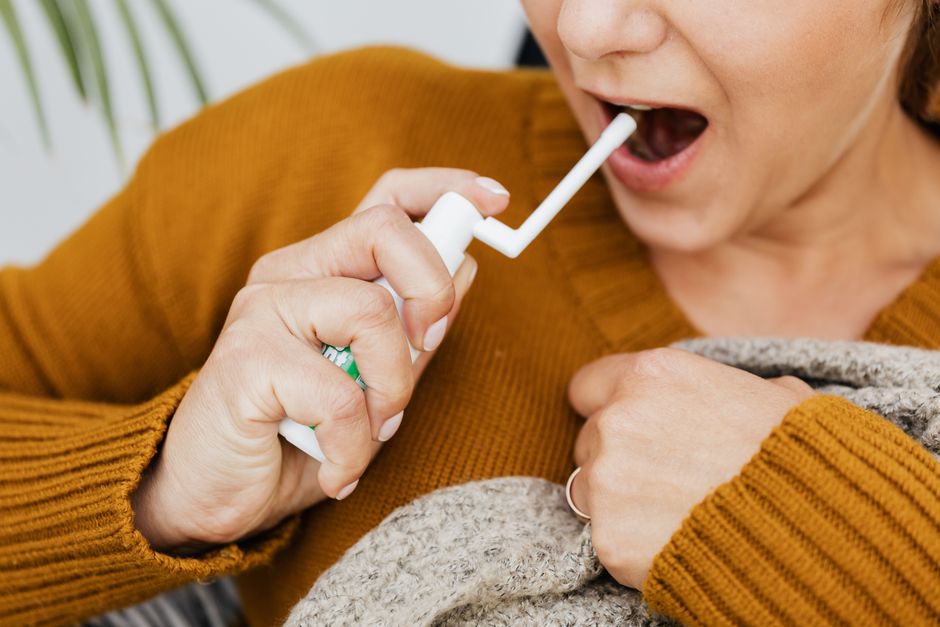
Most tongue sores heal on their own within 10 to 14 days. Home care focuses on reducing pain, preventing irritation, and supporting the natural healing process. Rinsing with warm salt water, avoiding spicy or acidic foods, and using over-the-counter pain gels can help you manage discomfort while the sore resolves.
What Causes Sores On The Tongue?
Tongue sores have several common causes. Canker sores, also called aphthous ulcers, are the most frequent type. These are shallow, painful sores that appear on the soft tissue of the mouth, including the underside of the tongue. They are not contagious.
Injury is another common cause. Biting your tongue, eating rough food, or burning it on hot liquid can create a sore that looks and feels similar to a canker sore. These traumatic sores typically heal faster than canker sores once the source of irritation stops.
Viral infections can also cause tongue sores. Cold sores, caused by the herpes simplex virus, usually appear on the lips but can occasionally form inside the mouth. These are contagious and follow a different treatment path than canker sores.
Less common causes include oral thrush, a fungal infection that creates white patches rather than open sores, and nutritional deficiencies in vitamin B12, iron, or folate. Persistent sores lasting more than two weeks require professional evaluation, as they can occasionally signal a more serious condition.
How To Heal Sores On Tongue Home Remedies Treatments
Home treatment for tongue sores focuses on three goals: reducing pain, preventing further irritation, and keeping the area clean. Most sores respond well to simple measures you can do at home without a prescription.
Salt water rinses remain one of the most effective home treatments. Dissolve half a teaspoon of salt in a cup of warm water. Swish gently for 30 seconds and spit. Repeat two to three times daily. Salt water helps clean the sore and may reduce inflammation, though it can sting on contact.
Baking soda rinses offer a gentler alternative. Mix one teaspoon of baking soda in half a cup of warm water. Use the same way as salt water. Some people find this less painful than salt rinses.
Ice chips or cold liquids can numb the area temporarily and reduce swelling. Sucking on ice chips for a few minutes before meals can make eating more comfortable.
Over-the-counter oral gels containing benzocaine or other numbing agents provide temporary pain relief. Apply a small amount directly to the sore. These products are safe when used as directed but should not be overused, as they can numb healthy tissue and mask symptoms.
Milk of magnesia applied directly to the sore a few times daily may help coat and protect it. This is an older remedy, but some dentists still recommend it for canker sores.
Honey has natural antibacterial properties. Some research suggests it may speed healing of mouth ulcers, though the evidence is limited. If you try it, apply a small drop to the sore two to three times daily. Choose pure honey without added sugars.
What Foods And Drinks Should You Avoid?
Diet plays a significant role in how fast a tongue sore heals. Certain foods and beverages can irritate the sore and delay recovery.
Foods that are spicy, acidic, salty, or rough in texture tend to cause the most pain. Common culprits include:
- Citrus fruits and juices such as oranges, lemons, and grapefruit
- Tomatoes and tomato-based sauces
- Spicy foods containing chili, hot sauce, or curry
- Salty snacks like pretzels and potato chips
- Crunchy foods such as toast, crackers, and raw vegetables
- Alcohol and tobacco products
Choose soft, bland foods while the sore heals. Yogurt, mashed potatoes, oatmeal, scrambled eggs, and smoothies are good options. Cool foods like applesauce or chilled soups are generally well tolerated.
Drink plenty of water to keep the mouth moist. A dry mouth can make a tongue sore more painful and slow healing. Avoid very hot beverages, which can further irritate the area.




What Should Your Oral Hygiene Routine Look Like?
Keeping your mouth clean while a sore heals requires a balance. You want to prevent infection without causing more irritation to the sore itself.
Brush your teeth gently with a soft-bristled toothbrush. Brush carefully around the sore without scrubbing it directly. A hard-bristled brush or aggressive brushing can make the sore worse and extend healing time.
Toothpaste can be an issue for some people. Sodium lauryl sulfate, a foaming agent in many toothpastes, may irritate canker sores in some individuals. Some evidence suggests that switching to toothpaste without sodium lauryl sulfate may reduce sore duration. If you have frequent canker sores, this change is worth trying.
Continue flossing but be careful near the sore. If flossing triggers pain, skip that specific area for a few days rather than causing more trauma.
Rinse your mouth with plain water after meals if you cannot brush right away. This removes food particles that could irritate the sore.
When Should You See A Doctor Or Dentist?
Most tongue sores do not require medical attention. However, certain signs warrant a professional evaluation.
See a doctor or dentist if a sore lasts longer than two weeks without improvement. Persistent sores can indicate conditions that require treatment beyond home care.
Seek prompt medical attention if you experience any of the following:
- A sore that grows rapidly in size
- Multiple sores appearing at once or recurring frequently
- Sores accompanied by fever, rash, or swollen lymph nodes
- Difficulty swallowing or breathing
- Bleeding from the sore that does not stop
- A white or red patch on the tongue that does not go away
- Sores that spread or appear on other parts of the body
If you have a weakened immune system due to medications or chronic illness, contact your doctor earlier rather than waiting. What might be a minor issue in a healthy person can become serious in someone with compromised immunity.
Your doctor or dentist can determine the type of sore you have. They may prescribe a stronger topical treatment, an antimicrobial rinse, or in some cases, an antiviral medication if the cause is viral.
Can You Prevent Tongue Sores?
Prevention depends on the cause. You cannot always prevent canker sores, but you can reduce how often they occur.
If you get frequent canker sores, track what seems to trigger them. Common triggers include stress, certain foods, and minor mouth injuries. Avoiding known triggers is the most effective prevention strategy.
Food sensitivities can play a role. Some people find that chocolate, coffee, strawberries, eggs, nuts, cheese, or highly acidic foods trigger their sores. Eliminating one food at a time can help you identify your personal triggers.
Managing stress may help. Some studies link psychological stress to increased canker sore frequency. Regular exercise, adequate sleep, and stress-reduction techniques may reduce outbreaks.
Protect your mouth from injury. Chew slowly and carefully. Avoid talking while chewing. Have dental work adjusted if sharp edges on teeth or dental appliances constantly rub against your tongue.
Maintain good nutrition. Deficiencies in vitamin B12, iron, and folate are associated with recurrent canker sores. A balanced diet or appropriate supplements, if a deficiency is confirmed by blood tests, may help prevent future sores.
Are There Any Proven Medical Treatments?
For most people, home remedies are sufficient. But for severe or recurrent sores, medical treatments exist.
Prescription mouth rinses containing chlorhexidine or a steroid like dexamethasone can reduce inflammation and pain. These are typically used for a limited time under professional supervision.
Topical corticosteroids, such as triamcinolone dental paste, can be applied directly to persistent canker sores. These require a prescription and work by reducing inflammation at the site.
For cold sores inside the mouth, antiviral medications may be prescribed. These work best when started early, at the first sign of a sore developing.
In cases where a nutritional deficiency is confirmed, correcting that deficiency through diet or supplements can help resolve sores and prevent recurrence. This approach only works when a deficiency is actually present.
No over-the-counter product has been proven to cure tongue sores. Products labeled as treatments for mouth ulcers mostly provide pain relief and a protective coating while the body heals itself.
Frequently Asked Questions
How long does it take for a tongue sore to heal?
Most tongue sores heal within 10 to 14 days. Sores caused by injury often heal faster, sometimes within a few days.
Can salt water rinse help tongue sores?
Yes, salt water rinses help clean the sore and may reduce inflammation. Use half a teaspoon of salt in a cup of warm water two to three times daily.
Is a tongue sore a sign of cancer?
Most tongue sores are not cancerous, but any sore lasting more than two weeks should be evaluated by a professional. Persistent sores that do not heal can occasionally signal a more serious condition.
Can toothpaste make tongue sores worse?
Some evidence suggests that sodium lauryl sulfate in toothpaste may irritate canker sores. Switching to a toothpaste without this ingredient may help if you get frequent sores.
