
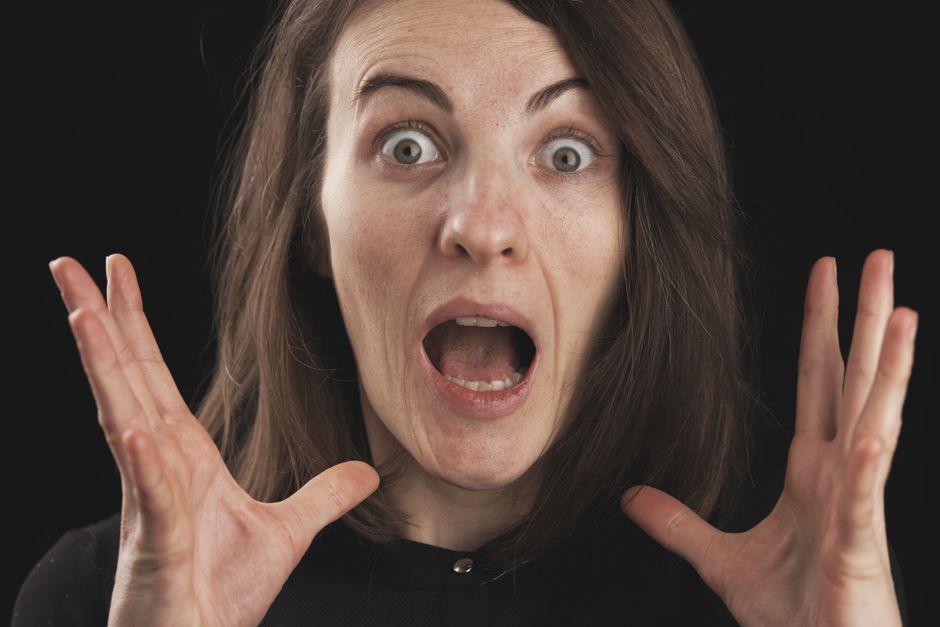
Fear starts in your brain, but it takes over your whole body. When you feel truly afraid, your heart beats faster, your breathing quickens, your palms get sweaty, and your muscles tense up. This is your body’s built-in alarm system, designed to help you survive danger. Understanding exactly what happens during fear can help you recognize it, manage it, and stop it from controlling your daily life.
What Happens in Your Brain When You Feel Fear
Fear begins in a small, almond-shaped structure deep inside your brain called the amygdala. The amygdala acts as your brain’s security guard. It constantly scans everything you see, hear, and feel for signs of danger.
When the amygdala detects a threat, it sends an instant emergency signal to another part of your brain called the hypothalamus. The hypothalamus is like a command center. It activates your sympathetic nervous system, which is the part of your nervous system responsible for your fight-or-flight response.
This entire process happens in milliseconds. You do not consciously decide to feel fear. Your brain detects the threat and reacts before your conscious mind even catches up. This is why you can jump out of the way of a car before you fully register what is happening.
The Fight-or-Flight Response Explained
The fight-or-flight response is your body’s automatic reaction to perceived danger. It prepares you to either stand and fight the threat or run away from it as fast as possible. This response is ancient. It evolved in our ancestors who faced real physical dangers like predators.
When this system activates, your adrenal glands release two key hormones: adrenaline and cortisol. Adrenaline acts quickly. It increases your heart rate, raises your blood pressure, and boosts your energy supplies. Cortisol, the primary stress hormone, keeps your body on high alert and maintains the response over a longer period.
Your body also releases glucose into your bloodstream. This gives your muscles an immediate source of fuel. Your pupils dilate to let in more light, improving your vision. Your digestion slows down or stops entirely because your body is redirecting energy away from non-essential functions and toward your muscles and brain.
Physical Symptoms of Fear You Can Feel
Fear produces a wide range of physical symptoms. Most people experience several of these at once during a genuinely frightening moment.
- Rapid heartbeat: Your heart pumps harder and faster to deliver oxygen to your muscles.
- Fast, shallow breathing: You take in more oxygen to prepare for physical action.
- Sweating: Your body produces sweat to cool you down in case you need to run or fight.
- Trembling or shaking: Muscle tension and adrenaline can cause visible shaking.
- Dry mouth: Your digestive system shuts down, reducing saliva production.
- Tense muscles: Your muscles contract, ready for sudden movement.
- Dizziness or lightheadedness: Changes in blood flow and breathing can make you feel unsteady.
- Stomach discomfort: Blood flow shifts away from your digestive organs, which can cause nausea or a sinking feeling.
These symptoms are not random. Each one serves a specific purpose in helping you survive a threatening situation. Recognizing them as part of a normal bodily response can make them less frightening when they happen.





How Fear Affects Your Thinking and Decision-Making
Fear does not only affect your body. It changes how you think and process information. When your fear response is active, your brain prioritizes survival over complex reasoning.
Your attention narrows. You focus intensely on the source of the threat and may ignore everything else around you. This is helpful in an actual emergency, but it can be problematic when the fear is based on something that is not a real physical threat, like public speaking or an important work presentation.
Fear also affects your memory. Strong emotional experiences tend to be remembered more vividly than neutral ones. This is why you may clearly remember a frightening event from years ago. Your brain tags fearful experiences as important and stores them more thoroughly.
Chronic fear can impair your ability to think clearly. When you are constantly anxious or afraid, your brain stays in a state of high alert. This can make it difficult to concentrate, solve problems, or make decisions effectively. Your working memory suffers because your brain is using resources to monitor for threats instead of processing information.
Why Your Body Reacts This Way to Show Fear
The physical reactions of fear are designed to show your body exactly what it needs to do. Each response is a survival mechanism that has been refined over millions of years of evolution.
Your racing heart delivers oxygen and nutrients to your muscles at a faster rate. Your rapid breathing supplies the oxygen your heart needs to keep pumping. Sweating prevents your body from overheating during physical exertion. Your dilated pupils improve your ability to see threats in low-light conditions.
Even the way blood flows changes during fear. Blood vessels in your skin constrict, which is why people sometimes look pale when they are frightened. This redirects blood toward your major muscle groups. Blood clotting factors also increase, which would reduce bleeding if you were injured.
These responses are highly effective for short-term physical threats. The problem arises when your fear response activates in situations where physical action is not needed or appropriate. Your body prepares to fight or run, but you are sitting in a meeting or standing in line at the grocery store. The energy has nowhere to go.
How To Show Fear What Your Body Actually Does: Managing the Response
You cannot stop the fear response from starting. It is automatic and happens before you have time to think. However, you can learn to manage the response once it begins. The goal is not to eliminate fear entirely but to prevent it from overwhelming you.
Breathing exercises are among the most effective tools for calming the fear response. Slow, deep breathing activates your parasympathetic nervous system, which is the part of your nervous system responsible for rest and relaxation. When you breathe out slowly, your heart rate naturally slows down.
A simple technique is to breathe in for four counts, hold for four counts, and breathe out for six counts. The longer exhale is what triggers the calming response. Practicing this for a few minutes can significantly reduce the intensity of your physical fear symptoms.
Physical movement also helps. Since your body is prepared for action, giving it some form of movement can help burn off the excess adrenaline. Walking, stretching, or shaking out your arms and legs can help your body return to a calmer state more quickly.
Naming what you are feeling is another evidence-based strategy. Simply saying to yourself, “My heart is racing because I am afraid,” activates the reasoning part of your brain. This can help reduce the intensity of the emotional response and give you a sense of control.
When Fear Becomes a Problem
Fear is a normal and healthy emotion. Everyone experiences it. However, fear becomes a problem when it is out of proportion to the actual threat, lasts long after the threat has passed, or interferes with your daily life.
Anxiety disorders are conditions where fear and worry become excessive and persistent. These include generalized anxiety disorder, panic disorder, specific phobias, and social anxiety disorder. These conditions are common and treatable.
If fear regularly prevents you from doing things you want to do, or if you experience panic attacks, it is worth talking to a healthcare provider. Effective treatments exist. Cognitive behavioral therapy has strong evidence for treating anxiety disorders. Medication can also be helpful for some people.
Occasional fear is not a sign of weakness or a medical problem. It is a sign that your body’s alarm system is working. The trouble starts when the alarm goes off too often, too loudly, or when there is no real danger present.
Frequently Asked Questions
Can fear cause long-term damage to your body?
Occasional fear does not cause long-term damage. Chronic, unrelenting stress and anxiety can contribute to health problems over time, including heart disease, digestive issues, and weakened immune function.
Why do I shake when I am scared?
Shaking happens because adrenaline floods your muscles and prepares them for sudden action. The muscle tension and increased energy have nowhere to go, which results in visible trembling.
How long does the physical fear response last?
Adrenaline typically clears from your body within 20 to 60 minutes after the threat passes. Cortisol can remain elevated for longer, especially if you continue to feel anxious or stressed about the situation.
Is it possible to control the fear response?
You cannot stop the initial fear response, but you can influence how long it lasts and how intense it becomes. Deep breathing, physical movement, and cognitive strategies can all help shorten and soften the response.
