
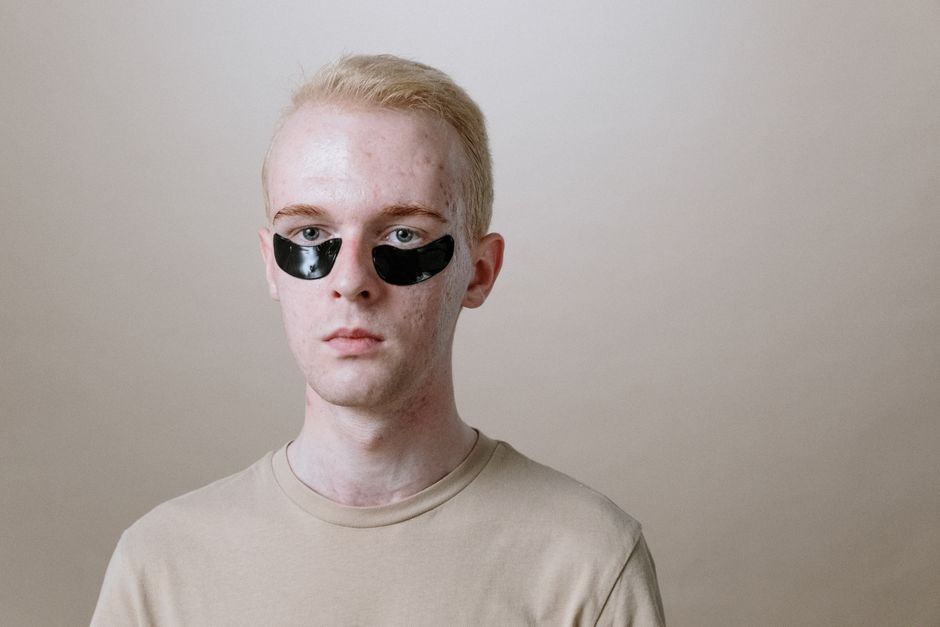
You probably noticed a red, tender bump on your nose and wondered why it showed up there of all places. Nose pimples happen because your nose has large pores and produces a lot of oil, making it a prime spot for clogged pores and bacterial growth. The good news is that most nose pimples are treatable with simple over-the-counter products or small changes in your daily habits.
What Causes Pimples On Your Nose Specifically?
Your nose is covered in sebaceous glands. These glands produce sebum, an oily substance that keeps your skin moisturized. When your body makes too much sebum, it can mix with dead skin cells and block your pores. This creates the perfect environment for Cutibacterium acnes bacteria to multiply, which leads to inflammation and a pimple.
Hormones play a big role here. Androgens, the hormones that increase during puberty, menstruation, and times of stress, signal your oil glands to work harder. The American Academy of Dermatology notes that hormonal fluctuations are one of the most common triggers for acne in adults. If you notice pimples appearing around your period or during stressful weeks, hormones are likely the cause.
Another factor is friction. Do you rest your face on your hands while working? Do you wear glasses or sunglasses regularly? Do you talk on your phone for long periods? Each of these actions presses oil, dirt, and bacteria into the pores on your nose. Dermatologists call this “acne mechanica,” and it is a real, common cause of breakouts in that specific spot.
Is It A Pimple Or Something Else?
Not every bump on your nose is a pimple. This is important because treatment depends on what you are actually dealing with. Pimples are usually red, tender, and have a white or yellow head after a few days. They form quickly and heal within a week.
Rosacea is often mistaken for acne. According to the National Rosacea Society, over 16 million Americans have rosacea. It causes redness, visible blood vessels, and small red bumps that look like pimples. The difference? Rosacea bumps do not have blackheads or whiteheads. They also tend to come and go with triggers like spicy food, alcohol, or sun exposure. If you have persistent redness on your nose and cheeks along with bumps, see a dermatologist. Acne treatments can actually make rosacea worse.
Sebaceous hyperplasia is another look-alike. These are small, soft, yellowish bumps caused by enlarged oil glands. They are harmless and common in middle-aged and older adults. They do not go away on their own like pimples do. A dermatologist can tell the difference quickly with a simple look.
What Treatments Actually Work For Nose Pimples?
Research published in the Journal of the American Academy of Dermatology supports a few ingredients as first-line treatments for mild acne. Benzoyl peroxide kills the bacteria that cause pimples. It is available in 2.5% to 10% concentrations over the counter. The 2.5% strength works just as well as higher strengths but causes less irritation. Apply a thin layer to the pimple once or twice daily.
Salicylic acid works differently. It helps unclog pores by breaking down the dead skin cells and oil trapped inside. You can find it in cleansers, toners, and spot treatments. A 2% concentration is standard. Use it once daily to start, as it can dry out your skin if overused.
Retinoids like adapalene (brand name Differin) are available over the counter now. Adapalene was prescription-only until 2016. It works by speeding up skin cell turnover and preventing pores from clogging in the first place. The American Academy of Dermatology recommends it as a first-line treatment for acne. Use a pea-sized amount on your entire nose area every other night to start, then increase to nightly if your skin tolerates it.
Here is a quick comparison of these three options:
| Ingredient | What It Does | How Fast It Works | Best For |
|---|---|---|---|
| Benzoyl peroxide | Kills bacteria | 24-48 hours | Single red pimples |
| Salicylic acid | Unclogs pores | 3-5 days | Blackheads and whiteheads |
| Adapalene | Prevents clogs | 4-8 weeks | Ongoing breakouts |
For a single stubborn pimple, a hydrocolloid patch can help. These small stickers absorb fluid and protect the pimple from picking. They work best on pimples that have already come to a head. Do not expect them to make a deep, red pimple disappear overnight. They are a good physical barrier, not a cure.



What Should You Avoid When Treating Nose Pimples?
Popping is the number one thing to avoid. Your nose has a dense network of blood vessels. Squeezing a pimple here can push bacteria deeper into your skin and cause more inflammation. In rare cases, it can lead to a serious infection called cavernous sinus thrombosis. This is extremely rare, but the risk is real enough that dermatologists strongly warn against popping nose pimples.
Avoid harsh scrubs and abrasive cleansers. Many people think scrubbing harder will clean out pores. It does not. Scrubbing irritates the skin and can make pimples redder and more inflamed. The same goes for alcohol-based toners. They strip your skin of natural oils, which can cause your oil glands to overcompensate and produce even more sebum. You end up with more pimples, not fewer.
Toothpaste is a common home remedy that does not work. People put toothpaste on pimples because it dries them out. But toothpaste contains ingredients like baking soda, hydrogen peroxide, and menthol that are not meant for skin. They can cause chemical burns, redness, and peeling. There is no clinical evidence that toothpaste treats acne effectively. Stick to products made for your skin.
What Causes Pimples On Your Nose And How To Treat Them With Lifestyle Changes?
Small daily habits can make a real difference. Wash your face twice a day with a gentle cleanser. The American Academy of Dermatology recommends washing for about 60 seconds, then rinsing with lukewarm water. Hot water strips your skin. Cold water does not clean well. Lukewarm is the sweet spot.
Change your pillowcase every few days. Your pillowcase collects oil, dead skin cells, and bacteria from your face and hair. Sleeping on a dirty one puts all of that back onto your nose for eight hours. Use a clean, soft cotton pillowcase or switch to silk, which creates less friction.
Clean your phone screen daily. Smartphones carry more bacteria than a toilet seat according to studies from the University of Arizona. When you press your phone against your nose, you transfer that bacteria directly into your pores. A quick wipe with an alcohol-free electronic wipe each morning is enough.
Watch what touches your nose throughout the day. Sunglasses, reading glasses, and face masks all trap oil and dirt against your skin. Wash reusable masks after each wear. Clean your glasses frames with mild soap and water daily. If you wear a mask for work, consider using a clean one each shift.
Diet plays a smaller role than social media claims. Some studies suggest that high-glycemic foods like white bread, sugary drinks, and chips may worsen acne in some people. Dairy, particularly skim milk, has also been linked to breakouts in some research published in the Journal of the American Academy of Dermatology. But the evidence is not strong enough to tell everyone to cut these foods. If you notice a pattern between eating certain foods and getting pimples, try cutting them for two weeks and see what happens. If nothing changes, diet is probably not your trigger.
When Should You See A Dermatologist For Nose Pimples?
If over-the-counter treatments do not work after six to eight weeks of consistent use, it is time to see a professional. A dermatologist can prescribe stronger options like topical antibiotics, oral antibiotics, or spironolactone for hormonal acne. They can also give you a cortisone injection for a single large, painful pimple. This injection shrinks the pimple within 24 hours and is one of the most effective treatments for deep, red bumps.
See a dermatologist sooner if you notice signs of infection. These include increasing redness, warmth, swelling, pain, or pus that is yellow or green. Also see a doctor if the bump does not go away after several weeks or changes in color, shape, or size. Skin cancer can sometimes look like a pimple that never heals. Basal cell carcinoma, the most common form of skin cancer, often appears as a pearly bump that may bleed or crust. It is rare on the nose compared to other areas, but it happens.
If you have a history of cystic acne or acne that leaves dark spots or scars, early treatment from a dermatologist can prevent permanent changes to your skin. The longer you wait, the harder it is to treat the scarring.
Frequently Asked Questions
Can stress cause pimples on my nose?
Yes, stress raises cortisol levels, which can increase oil production and trigger breakouts on your nose and other areas.
How long does a nose pimple usually last?
A typical pimple lasts three to seven days if you leave it alone and use spot treatments like benzoyl peroxide.
Is it safe to pop a pimple on my nose?
No, popping a nose pimple can push bacteria deeper into your skin and cause more inflammation or infection.
Does toothpaste really get rid of nose pimples?
No, toothpaste can irritate and burn your skin, and there is no evidence it treats acne effectively.
