
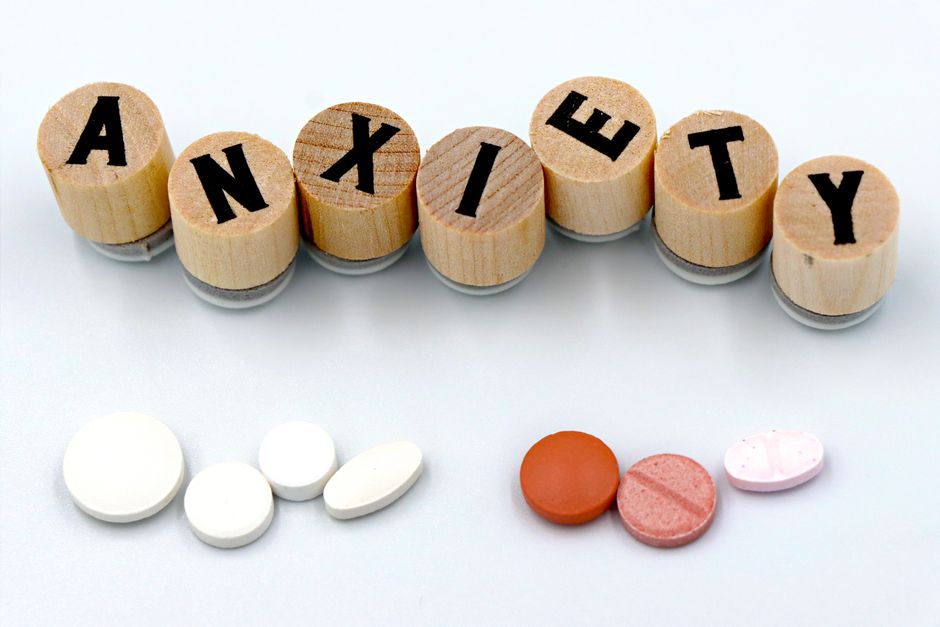
Anxiety is a normal human emotion, and at times it can feel overwhelming. The phrase “when anxiety was great within me” comes from Psalm 94:19 — “When anxiety was great within me, your consolation brought me joy.” It describes a moment when worry and fear become so intense they seem to take over your thoughts. That experience is not a sign of weakness. It is a signal worth paying attention to.
Anxiety disorders are among the most common mental health conditions in the United States. According to the National Institute of Mental Health, an estimated 19.1% of US adults experienced an anxiety disorder in the past year, and about 31% will experience one at some point in their lives. Understanding what anxiety is, when it crosses from normal worry into a disorder, and what actually helps is the first step toward managing it.
What Does “When Anxiety Was Great Within Me” Actually Mean?
The phrase describes a state of intense internal distress. In everyday language, it means anxiety has become so loud that it drowns out other thoughts and feelings. Clinically, this maps onto what researchers call anxiety — a feeling of worry, nervousness, or unease about something with an uncertain outcome.
Anxiety becomes a clinical concern when it is persistent, disproportionate to the situation, and interferes with daily functioning. The distinction matters because everyone experiences anxiety. It is a built-in alarm system designed to protect you. The problem is not that the alarm exists — it is when the alarm goes off too often, too loudly, or when there is no real danger.
Anxiety disorders include generalized anxiety disorder, panic disorder, social anxiety disorder, and several others. Each has its own pattern, but they share a common feature: fear or worry that is difficult to control and that causes significant distress or impairment.
What Happens in Your Body and Brain During Intense Anxiety?
Anxiety activates the body’s stress response — often called the fight-or-flight response. This system evolved to help humans react quickly to threats. When it activates, the brain’s amygdala sends signals that trigger the release of stress hormones including adrenaline and cortisol.
These hormones produce real physical effects:
- Heart rate increases to pump more blood to muscles
- Breathing becomes faster and shallower
- Muscles tense
- Digestion slows
- Blood sugar rises for quick energy
These changes are useful if you need to escape danger. They are not useful when they happen during a work meeting or in the middle of the night. The brain does not always distinguish between a real physical threat and a perceived psychological one. That is why anxiety can feel so physical — racing heart, tight chest, upset stomach, sweating, trembling.
Research using brain imaging has shown that people with anxiety disorders often have differences in how the amygdala, prefrontal cortex, and other brain regions communicate. The prefrontal cortex — involved in reasoning and impulse control — may have less influence over the amygdala’s alarm signals. This does not mean the brain is damaged. It means the system is overactive in certain contexts.
How Do You Know When Anxiety Crosses Into a Disorder?
There is no single line that separates normal anxiety from an anxiety disorder. Clinicians look at several factors together. The key question is whether anxiety is persistent, excessive, and interfering with your life.
The Diagnostic and Statistical Manual of Mental Disorders, Fifth Edition (DSM-5), used by clinicians in the US, sets out specific criteria. For generalized anxiety disorder, for example, the criteria include excessive anxiety and worry occurring more days than not for at least six months, difficulty controlling the worry, and symptoms such as restlessness, being easily fatigued, difficulty concentrating, irritability, muscle tension, or sleep disturbance.
Other signs that anxiety may need clinical attention:
- You avoid situations that trigger anxiety, and the avoidance is shrinking your life
- You have panic attacks — sudden surges of intense fear with physical symptoms
- Anxiety interferes with work, relationships, or sleep on a regular basis
- You use alcohol or other substances to manage anxiety
- You feel anxious most days and cannot identify a specific reason
Only a qualified healthcare provider can make a diagnosis. If you recognize yourself in these descriptions, that is information worth sharing with a doctor or mental health professional — not a diagnosis you need to make on your own.



What Actually Helps With Severe Anxiety?
Treatment for anxiety disorders is well studied. The strongest evidence supports two main approaches: psychotherapy and medication. They can be used together.
Cognitive behavioral therapy (CBT) is the most extensively researched form of psychotherapy for anxiety disorders. It focuses on identifying and changing patterns of thought and behavior that fuel anxiety. Many studies, including meta-analyses published in journals such as JAMA Psychiatry, have found CBT to be effective for anxiety disorders. Other approaches with research support include acceptance and commitment therapy (ACT) and exposure therapy, particularly for specific phobias and social anxiety.
Medications for anxiety include selective serotonin reuptake inhibitors (SSRIs), serotonin-norepinephrine reuptake inhibitors (SNRIs), and benzodiazepines. SSRIs and SNRIs are generally considered first-line medications for most anxiety disorders because they have a favorable balance of benefits and risks for long-term use. Benzodiazepines work quickly but carry risks of dependence and withdrawal, so they are generally prescribed for short-term use or specific situations.
Lifestyle factors can support treatment but are not a substitute for it. Regular physical activity, adequate sleep, and reducing caffeine and alcohol intake can help some people manage anxiety symptoms. The evidence for exercise as a treatment for anxiety disorders is growing but not as strong as the evidence for CBT or medication. Some studies suggest exercise can reduce anxiety symptoms, but it has not been established as a standalone treatment for diagnosed anxiety disorders.
No single approach works for everyone. What helps one person may not help another. Finding the right combination often takes time and adjustment.
Can Anxiety Be Managed Without Professional Help?
Mild anxiety — the kind that comes and goes in response to specific stressors — often responds to self-management strategies. But when anxiety is severe, persistent, or interfering with daily life, professional help is the more reliable path.
Strategies that may help with mild anxiety include:
- Slow breathing. Deliberately slowing your breath can help calm the body’s stress response. This is a well-established technique, though its effect on diagnosed anxiety disorders is modest compared to therapy.
- Physical activity. Regular movement can reduce tension and improve mood. The evidence for its effect on clinical anxiety is mixed but generally positive for mild symptoms.
- Limiting caffeine and alcohol. Both can worsen anxiety symptoms. Caffeine is a stimulant that can mimic and trigger anxiety-like physical sensations.
- Sleep. Poor sleep and anxiety feed each other. Improving sleep hygiene is a reasonable first step.
- Social connection. Isolation tends to worsen anxiety. Talking with someone you trust can help, though it is not a treatment for an anxiety disorder.
These strategies are not cures. If you try them and your anxiety does not improve, or if it gets worse, that is a sign to seek professional support. There is no prize for struggling alone.
What Does the Evidence Say About Natural Remedies for Anxiety?
Many natural remedies are marketed for anxiety. The evidence for most is limited or mixed. It is worth being honest about what research does and does not show.
Some supplements have been studied for anxiety, including ashwagandha, kava, lavender, and omega-3 fatty acids. Results have been inconsistent. Some small studies suggest possible benefits, but many have limitations such as small sample sizes, short duration, or lack of placebo controls. No supplement has been established as a reliable treatment for anxiety disorders in large, high-quality trials.
Kava has some evidence for short-term anxiety reduction, but it carries a risk of liver damage, and regulatory agencies have issued warnings about this. St. John’s wort is sometimes mentioned for anxiety, but it interacts with many medications and is not well established for anxiety specifically.
If you are considering a supplement, talk with your doctor or pharmacist first. Supplements can interact with prescription medications, and some can cause harm. The FDA does not review supplements for safety and effectiveness before they are sold, so claims on labels are not proof.
When Should You Seek Help for Anxiety?
Seek professional help when anxiety is persistent, hard to control, or affecting your ability to function. Do not wait for a crisis. Earlier treatment tends to be more effective and easier to access.
Signs it is time to talk to a doctor or mental health professional:
- You feel anxious most days for weeks or months
- Anxiety interferes with work, school, relationships, or sleep
- You have panic attacks
- You avoid things you used to do because of anxiety
- You use alcohol or drugs to cope
- You have thoughts of harming yourself
If you have thoughts of harming yourself, seek help immediately. In the US, you can call or text 988 to reach the Suicide and Crisis Lifeline. This is a free, confidential service available 24 hours a day.
Anxiety disorders are treatable. Most people who get appropriate treatment see meaningful improvement. The first step is telling someone — a doctor, a therapist, or a trusted person who can help you find care.
Frequently Asked Questions
What does “when anxiety was great within me” mean?
It is a phrase from Psalm 94:19 describing a time when worry and fear felt overwhelming. In everyday terms, it means anxiety had become intense and hard to manage.
How do I know if my anxiety is normal or a disorder?
Anxiety is a disorder when it is persistent, excessive, and interferes with daily life. A healthcare provider can assess your symptoms and determine whether you meet diagnostic criteria.
Can anxiety go away on its own?
Mild, situational anxiety often fades when the stressor passes. Anxiety disorders typically do not resolve without treatment, though symptoms can improve with therapy, medication, or both.
What is the most effective treatment for anxiety?
Cognitive behavioral therapy and SSRIs or SNRIs have the strongest evidence for treating anxiety disorders. The best approach depends on the type of anxiety and individual factors, so it is best discussed with a clinician.
