
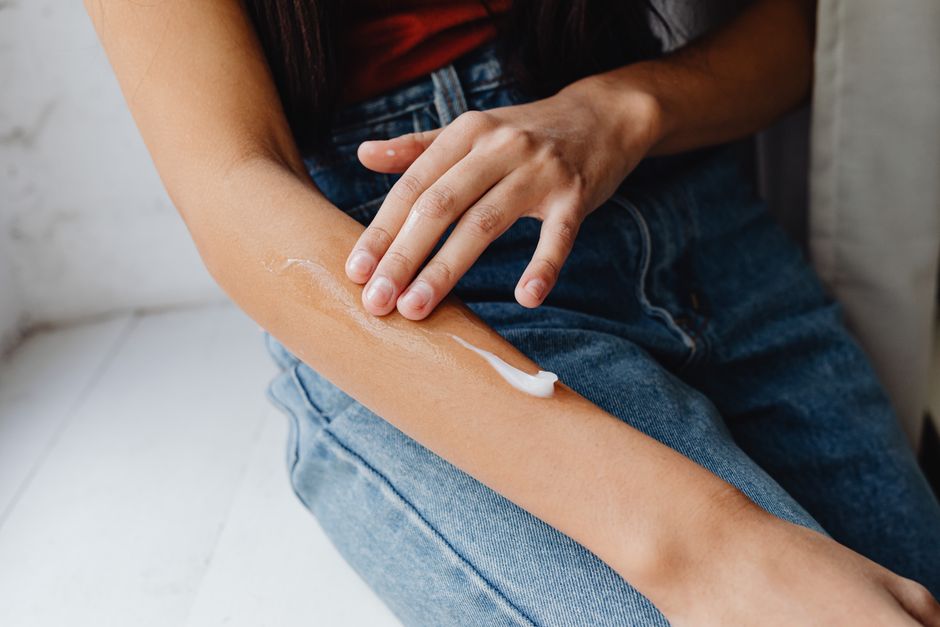
A skin rash is your skin’s way of signaling irritation, allergy, infection, or inflammation. The right treatment depends on the cause, but a few steps help almost every rash: stop scratching, cool the area, and use a gentle moisturizer or over-the-counter anti-itch product. For most mild rashes, home care resolves symptoms within days, but some rashes need a doctor’s care.
What Is Actually Happening When Your Skin Itches?
Itch is a real neurological signal, not just a nuisance. Specialized nerve endings in the skin release chemicals — most notably histamine — when they detect irritation, allergens, or damage. Those chemicals travel to the brain and register as the sensation you feel as itch.
Scratching temporarily interrupts the signal, which is why it feels good for a second. But scratching also damages the skin barrier, triggers more histamine release, and starts a cycle that makes the itch worse. That cycle is why “just stop scratching” is easier said than done — and why breaking it matters so much for healing.
Different rashes trigger itch through different pathways. Contact dermatitis and hives lean heavily on histamine. Eczema involves a damaged skin barrier and immune system overactivity. Fungal infections like athlete’s foot itch through direct irritation of infected skin. This matters because a treatment that works for one type may do nothing for another.
How To Treat A Skin Rash And Soothe The Itch At Home
Most mild rashes respond to basic care. Start with these steps:
- Cool compress: Apply a clean cloth soaked in cool water to the rash for 10 to 15 minutes several times a day. Cool temperatures reduce blood flow to the area and calm nerve activity.
- Colloidal oatmeal baths: Adding colloidal oatmeal to lukewarm bathwater is an established remedy for itch from eczema and other inflammatory rashes. Soak for 10 to 15 minutes, then pat dry and moisturize immediately.
- Moisturize: Dry skin itches more. Fragrance-free creams or ointments — not lotions, which contain more water and evaporate faster — help restore the skin barrier.
- Over-the-counter hydrocortisone cream: A 1% hydrocortisone cream can reduce inflammation in mild contact dermatitis and eczema. Follow package directions and do not use it on the face or genitals without asking a doctor.
- Oral antihistamines: These work best for histamine-driven itch like hives and allergic reactions. They are less helpful for eczema or fungal rashes. Sedating antihistamines like diphenhydramine can help you sleep through the itch, but they do not treat the rash itself.
- Keep nails short: If you scratch in your sleep, short nails and cotton gloves at night reduce skin damage.
Avoid hot water, harsh soaps, and fragranced products while the rash heals. These strip the skin barrier and prolong irritation.
When Should You See A Doctor For A Rash?
Some rashes need medical evaluation. Seek care promptly if you notice any of the following:
- The rash spreads quickly or covers a large area of your body
- You have a fever, chills, or feel generally unwell along with the rash
- The rash is painful, blistering, or leaking pus
- It involves your eyes, mouth, or genitals
- It appeared suddenly after starting a new medication
- Home treatment has not helped after several days, or the rash is getting worse
A rash with fever and a rapidly spreading red area can signal a serious infection or a drug reaction. These situations need same-day medical attention, not home remedies.
Your doctor may prescribe stronger topical steroids, oral medications, antifungals, or antibiotics depending on what is causing the rash. Getting the diagnosis right is the difference between a treatment that works and one that wastes time.



Why Does the Cause Change the Treatment?
Treating a rash without knowing its cause can backfire. The table below shows how common rash types differ in what actually helps.
| Rash Type | Common Cause | What Typically Helps |
|---|---|---|
| Contact dermatitis | Irritant or allergen touching skin | Remove trigger, cool compress, hydrocortisone cream |
| Hives (urticaria) | Histamine release from allergy or other trigger | Oral antihistamines, avoid trigger |
| Eczema (atopic dermatitis) | Skin barrier defect and immune overactivity | Moisturizers, prescription topicals, colloidal oatmeal |
| Fungal infection | Fungus growing on skin | Antifungal cream or oral antifungal |
| Heat rash | Blocked sweat ducts | Cool environment, loose clothing, keep skin dry |
Using a steroid cream on a fungal infection can make it worse by suppressing the skin’s local immune response. Using an antifungal on eczema does nothing. This is why a correct diagnosis matters more than a fast remedy.
What Makes Itching Worse (And How to Stop It)
The itch-scratch cycle is the single biggest obstacle to healing. Every scratch damages the skin barrier, releases more inflammatory chemicals, and makes the next itch more intense. Breaking this cycle is the goal of most itch treatment.
Several everyday habits feed the cycle:
- Hot showers and baths: Heat increases blood flow and histamine release, worsening itch after you dry off.
- Fragranced soaps, detergents, and lotions: These are common triggers for contact dermatitis and can irritate already inflamed skin.
- Wool and synthetic fabrics: Rough textures against the skin provoke scratching. Soft cotton is gentler.
- Stress and poor sleep: Stress does not cause most rashes, but it can intensify itch perception and slow healing.
- Alcohol consumption: Alcohol can trigger flushing and histamine release in some people, worsening hives and itch.
Keeping the skin cool, covered, and moisturized reduces the urge to scratch. Some people find that pressing — rather than scratching — an itchy area with a cool cloth gives relief without damage.
Does Diet or Hydration Affect a Rash?
Hydration supports skin barrier function. Drinking enough water does not cure a rash, but dehydrated skin is more prone to cracking and irritation. There is no single diet proven to resolve most rashes.
Some evidence links certain foods to eczema flares in specific individuals, particularly in children with diagnosed food allergies. But eliminating foods without medical guidance can remove important nutrients and rarely helps unless a true allergy is confirmed. If you suspect a food trigger, work with a doctor rather than cutting foods on your own.
For hives, alcohol, aspirin, and nonsteroidal anti-inflammatory drugs can sometimes worsen symptoms in sensitive people. This is not universal, and you should not stop a prescribed medication without talking to your doctor first.
How Long Should a Rash Take to Heal?
Healing time depends entirely on the cause. Mild contact dermatitis often improves within one to three weeks once the trigger is removed. Hives can fade within hours to days, though chronic hives can last longer. Eczema is a long-term condition that flares and settles rather than resolving permanently.
Fungal infections typically need consistent antifungal treatment for weeks, and stopping early allows the infection to return. If a rash is not improving after several days of appropriate home care, or if it is getting worse, that is a signal to get it looked at rather than wait longer.
Frequently Asked Questions
What is the fastest way to stop a rash from itching?
A cool compress and an over-the-counter hydrocortisone cream or oral antihistamine are the fastest options for most mild rashes. Which one works best depends on the cause — antihistamines help hives and allergic itch more than eczema or fungal rashes.
Can I use hydrocortisone cream on any rash?
No. Hydrocortisone helps inflammatory rashes like contact dermatitis and eczema, but it can worsen fungal infections by suppressing local immune activity. If you are not sure what is causing the rash, have a doctor or pharmacist look at it before applying a steroid.
When should I worry about a rash?
See a doctor if the rash spreads quickly, comes with fever or feeling unwell, blisters or leaks pus, or involves your eyes, mouth, or genitals. A rash that appears suddenly after starting a new medication also needs prompt evaluation.
Does scratching make a rash worse?
Yes. Scratching damages the skin barrier and triggers more histamine release, which intensifies the itch and can lead to infection. Keeping nails short, using cool compresses, and moisturizing regularly help break that cycle.
