
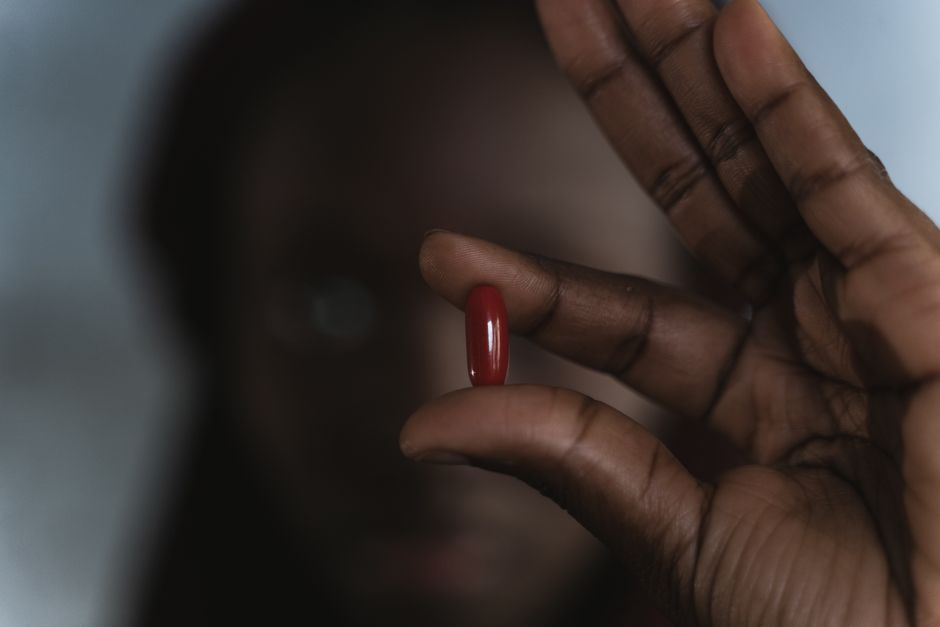
A sickle cell pain crisis is a medical emergency, and the fastest way to treat one is with strong pain medication given quickly, usually in a hospital or emergency department. Most crises are managed with opioids, fluids, oxygen if needed, and treatment of any trigger such as infection or dehydration. There is no safe home remedy that reliably stops a severe crisis, and waiting to see if it passes can make it worse.
Sickle cell disease changes the shape of red blood cells. Instead of being smooth and round, they become stiff and crescent-shaped. These cells can stick together and block small blood vessels. When that happens, blood cannot reach part of the body, tissue is starved of oxygen, and the result is severe pain. This is what doctors call a vaso-occlusive crisis, and it is the most common reason people with sickle cell disease go to the hospital.
What Happens During a Sickle Cell Pain Crisis?
A pain crisis happens when sickled cells block blood flow in small vessels. The blockage cuts off oxygen to the tissue downstream, and that tissue sends out pain signals. The pain is often described as deep, throbbing, or stabbing, and it can strike almost anywhere — the back, chest, arms, legs, or abdomen.
Crises vary widely in severity. Some are mild and last a few hours. Others are severe and can last days or even weeks. The pain is not psychological, and it is not exaggeration. It comes from real tissue injury caused by blocked blood flow.
Several things commonly set off a crisis:
- Dehydration
- Infection or fever
- Cold weather or sudden temperature changes
- High altitude or low oxygen levels
- Physical or emotional stress
- Exertion or fatigue
Often no clear trigger is found. That matters, because people sometimes blame themselves for a crisis that had no obvious cause.
How Is a Sickle Cell Pain Crisis Treated in the Hospital?
Hospital treatment focuses on relieving pain fast and correcting whatever set the crisis off. The single most important step is rapid pain control. Delays in giving pain medicine are a known problem, and current clinical guidance stresses that pain should be treated quickly and reassessed often.
Pain medication is the foundation. For moderate to severe crises, opioids are the standard treatment. This is not a sign that the person is addicted or that the pain is not real. Opioids are used because they work on severe pain, and under-treatment is a bigger risk than the medication itself when used properly in a monitored setting.
Doctors may also use:
- Intravenous fluids to treat or prevent dehydration
- Oxygen if blood oxygen levels are low
- Antibiotics if an infection is suspected
- Anti-inflammatory drugs such as ibuprofen or ketorolac, when safe for that person
- Antiemetics for nausea, which is common with both the crisis and opioid use
Pain is usually reassessed at regular intervals so the dose can be adjusted. The goal is not to make the pain vanish completely. The goal is to bring it down to a level the person can tolerate while the crisis runs its course.
Can You Treat a Crisis at Home?
Mild pain may sometimes be managed at home, but only if the person has a plan made in advance with their care team. Home management is not a substitute for emergency care when pain is severe or getting worse.
Steps that may help for mild pain include:
- Drinking fluids to stay hydrated
- Taking a prescribed pain medicine early, before pain escalates
- Applying warmth, such as a heating pad on the sore area
- Resting and avoiding cold exposure
- Using distraction, relaxation, or breathing techniques alongside medication
One point worth being clear about: heat and rest can make mild pain more bearable, but they do not unblock blood vessels. They ease symptoms. They do not treat the underlying problem.
Go to the emergency department or call for help if any of these occur:
- Pain that is severe or quickly getting worse
- Pain not controlled by the home plan
- Fever of 100.4°F (38°C) or higher
- Trouble breathing, chest pain, or a severe headache
- Sudden weakness, numbness, confusion, or slurred speech
- Painful swelling of the belly, or a swollen, hard, painful erection
- Signs of dehydration, such as little urine, dry mouth, or dizziness on standing
Fever in a person with sickle cell disease is treated as an emergency. It can signal a serious infection, which is dangerous in this condition.





What Medicines Are Used, and What Do They Do?
Treatment splits into two categories: medicines that relieve pain during a crisis, and medicines taken regularly to reduce how often crises happen in the first place. These are different jobs, and it helps to keep them separate.
For pain during a crisis, opioids are the mainstay for moderate to severe pain. Non-opioid options like acetaminophen or ibuprofen may be added for milder pain or to reduce how much opioid is needed, but they are not enough on their own for a severe crisis. Hydroxyurea is a daily medicine that can reduce the frequency of painful crises over time. It does not treat a crisis that is already happening. Other disease-modifying treatments exist, and a hematologist can explain which options fit a specific person.
A common misunderstanding is that a person in a crisis should “tough it out” to avoid opioids. That view is not supported by evidence and can cause real harm. Untreated severe pain causes stress on the body, raises blood pressure and heart rate, and can worsen the crisis.
Why Is Pain Often Under-Treated?
People with sickle cell disease frequently report that their pain is not believed or not treated fast enough. This is a well-documented problem, and it has real consequences. When pain treatment is delayed, crises can last longer and cause more harm.
Part of the issue comes from bias. Because sickle cell disease is more common in people of African ancestry, some research points to racial bias playing a role in how quickly and how fully pain is treated. That is a health equity problem, not a patient problem.
Another part comes from confusion between dependence and addiction. Needing pain medicine during a crisis is not the same as being addicted. Physical dependence can develop with repeated opioid use, but that is a predictable bodily response, not a moral failing, and it can be managed.
If you or someone you care for is not getting adequate pain relief, it is reasonable to ask for a pain specialist or a hematologist to be involved. Many hospitals have sickle cell-specific care protocols for exactly this reason.
What Helps Prevent Future Crises?
Prevention is where the biggest long-term gains are made. The same daily habits and medicines that reduce crisis frequency also reduce the damage crises cause over time.
Steps that evidence supports include:
- Staying well hydrated, especially in hot weather or during exercise
- Avoiding sudden cold exposure and dressing warmly in winter
- Getting recommended vaccines, since infection is a common trigger
- Taking disease-modifying medicines as prescribed, such as hydroxyurea
- Keeping routine hematology appointments
- Avoiding high altitudes when possible, and using oxygen if flying if advised
- Managing stress and getting enough rest
Hydroxyurea is one of the best-studied options for reducing crisis frequency in sickle cell disease, and it has been used for decades. It is not right for everyone, and it requires monitoring with blood tests. A hematologist can explain the trade-offs.
Newer treatments have been developed in recent years, including gene therapies for eligible patients. These are serious medical procedures with real risks, and they are not available to everyone. Anyone considering them should get detailed information from a sickle cell specialist rather than from marketing material.
When Should You Go to the Emergency Department?
Go to the emergency department when pain is severe, when it is not controlled by the home plan, or when any warning sign appears. Do not wait to see if it improves on its own.
This is the part people most often get wrong. Waiting can turn a manageable crisis into a much worse one. The earlier pain is treated, the easier it usually is to control. There is no prize for enduring a crisis at home.
If you have a sickle cell care plan, bring it or have it ready. Many people carry a written plan that lists their usual medicines and doses. That document can speed up treatment and reduce the chance of being under-treated.
Frequently Asked Questions
Can a sickle cell pain crisis be treated at home?
Mild pain may sometimes be managed at home with fluids, warmth, rest, and prescribed pain medicine taken early. Severe or worsening pain needs emergency care, because home measures cannot unblock blood vessels or stop a serious crisis.
What is the first-line treatment for a sickle cell pain crisis?
Rapid pain control with opioids is the first-line treatment for moderate to severe crises, along with fluids and treatment of any trigger. Pain should be treated quickly and reassessed often.
Is it safe to take opioids for sickle cell pain?
Opioids are the standard treatment for severe sickle cell pain and are used under medical supervision with regular reassessment. Needing pain medicine during a crisis is not the same as being addicted.
When should someone with sickle cell disease go to the hospital?
Go to the emergency department for severe or worsening pain, pain not controlled by the home plan, or any warning sign such as fever of 100.4°F (38°C) or higher, trouble breathing, or chest pain. Fever is treated as an emergency in sickle cell disease.
