
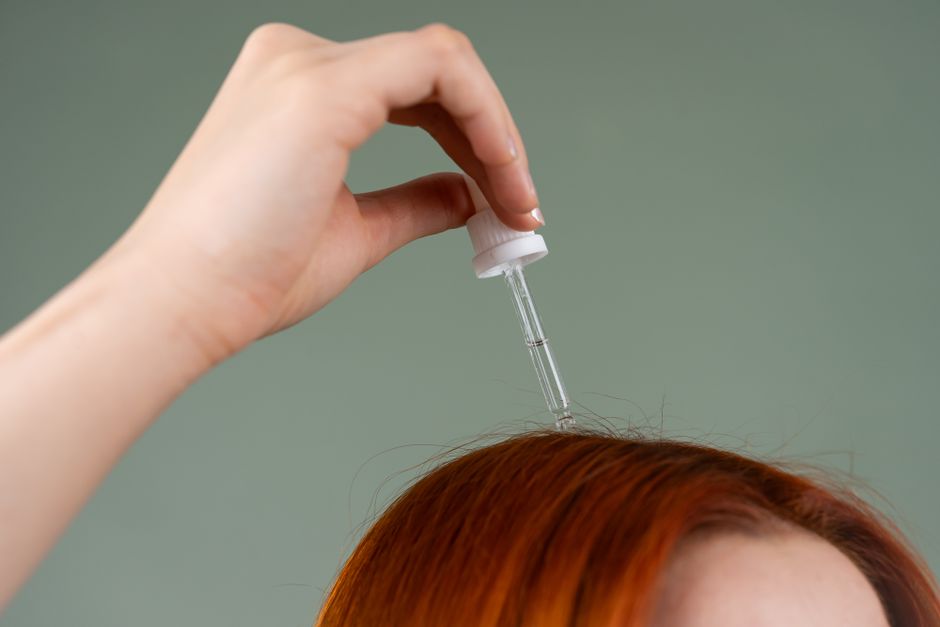
Treating a scalp infection depends entirely on whether it is fungal or bacterial. For a fungal infection, doctors typically prescribe antifungal shampoos or oral medications like ketoconazole or terbinafine. For a bacterial infection, antibiotics—either topical creams or oral pills—are the standard treatment. You cannot treat both the same way because the medications target completely different organisms. A doctor must diagnose which type you have before any treatment begins.
How Do You Know If Your Scalp Infection Is Fungal Or Bacterial?
The symptoms often overlap, which is why self-diagnosis is unreliable. Fungal infections usually cause intense itching, circular patches of hair loss, and flaky or scaly skin. Ringworm of the scalp, which is a fungal infection, often leaves broken hairs that look like black dots on the skin.
Bacterial infections tend to produce pus-filled bumps, redness, swelling, and tenderness. Impetigo and folliculitis are common bacterial scalp infections. They may crust over or weep fluid. If you have a fever or swollen lymph nodes in your neck, that points more toward a bacterial infection.
A doctor can perform a simple test. They may scrape a small sample of skin or hair and look at it under a microscope. Sometimes they send it to a lab for a culture. This is the only reliable way to know what you are dealing with.
What Is The First Step In How To Treat A Scalp Infection Fungal And Bacterial?
The first step is always seeing a healthcare provider. Do not try over-the-counter antifungal creams or antibiotic ointments without a diagnosis first. Using the wrong medication can make the infection worse or delay proper treatment.
Once you have a diagnosis, the treatment path is clear. For fungal infections, medicated shampoos containing ketoconazole, selenium sulfide, or ciclopirox are common first-line treatments. The CDC notes that these shampoos are often used two to three times per week for several weeks. Oral antifungal medications like terbinafine or itraconazole are prescribed for more stubborn cases.
For bacterial infections, topical antibiotics such as mupirocin or clindamycin are typical. Oral antibiotics like cephalexin or doxycycline are used for deeper or widespread infections. The American Academy of Dermatology recommends finishing the full course of antibiotics even if symptoms improve early.
Can You Treat A Scalp Infection At Home Without A Doctor?
Some mild cases of fungal dandruff—which is not a true infection—respond to over-the-counter antifungal shampoos. But a genuine scalp infection requires medical treatment. Home remedies like tea tree oil, apple cider vinegar, or coconut oil have some antimicrobial properties, but strong clinical evidence for curing an active infection is limited.
A study published in the Journal of Antimicrobial Chemotherapy found that tea tree oil can inhibit some fungal and bacterial growth in lab settings. But that does not mean it will clear an infection on your scalp. The concentration needed to kill organisms is often higher than what is safe to apply to skin.
If you try a home remedy and your symptoms worsen or do not improve within a few days, see a doctor. Delaying proper treatment can lead to permanent hair loss or spread of the infection to other parts of your body.

How Long Does It Take To Treat A Scalp Infection?
Fungal scalp infections usually take four to six weeks of consistent treatment to clear. Oral antifungal medications often show improvement within the first two weeks, but the full course must be completed. Hair regrowth can take several months after the infection is gone.
Bacterial infections respond faster. With oral antibiotics, you may see improvement in three to five days. Topical antibiotics for mild cases may take seven to ten days. The key is finishing the entire prescription. Stopping early can lead to antibiotic resistance and recurrence.
Research published in JAMA Dermatology found that about 15 percent of bacterial scalp infections recur within six months if the full antibiotic course is not completed. Fungal infections have a higher recurrence rate, around 25 percent, especially in children and people with weakened immune systems.
| Infection Type | Typical Treatment | Time to Improvement | Full Course |
|---|---|---|---|
| Fungal (ringworm) | Antifungal shampoo + oral medication | 2 weeks | 4-6 weeks |
| Bacterial (folliculitis) | Topical or oral antibiotics | 3-5 days | 7-14 days |
| Fungal (severe) | Oral terbinafine or itraconazole | 1-2 weeks | 6-12 weeks |
| Bacterial (impetigo) | Topical mupirocin | 3-5 days | 7 days |
What Should You Avoid While Treating A Scalp Infection?
Avoid scratching or picking at your scalp. This spreads the infection to other areas and can introduce new bacteria. Keep your fingernails short and consider wearing cotton gloves at night if you scratch in your sleep.
Do not share combs, brushes, hats, pillows, or towels. Fungal and bacterial infections spread easily through contaminated items. Wash your bedding and towels in hot water with bleach if possible. The CDC recommends washing at 140°F or higher to kill fungal spores.
Avoid oily hair products. Many fungal infections thrive in oily environments. Stick to gentle, fragrance-free shampoos recommended by your doctor. Do not use hair dyes or chemical treatments until the infection is fully cleared.
Do not stop treatment early even if your scalp looks better. The infection may still be present underneath the surface. Stopping early is the most common reason for recurrence.
Are There Long-Term Effects Of Scalp Infections?
Most scalp infections resolve completely with proper treatment. Permanent hair loss is possible but uncommon. It typically happens only in severe, untreated fungal infections that damage the hair follicle. The American Academy of Dermatology reports that hair regrowth occurs in over 90 percent of treated cases.
Scarring is rare but can occur if you pick at infected areas. Bacterial infections that form abscesses may leave small scars. Treating the infection early reduces this risk significantly.
Some people develop secondary infections. For example, a fungal infection can create small cracks in the skin that allow bacteria to enter. This is called a mixed infection and requires treatment for both organisms simultaneously. A 2022 study in the Journal of Clinical Microbiology found that mixed infections account for about 8 percent of all scalp infection cases.
How To Treat A Scalp Infection Fungal And Bacterial In Children
Children are more prone to fungal scalp infections than adults. Ringworm of the scalp is most common in children aged 3 to 14. The treatment is similar to adults but with adjusted doses. Oral terbinafine is often used because it has fewer side effects in children.
Bacterial infections in children usually respond well to topical antibiotics. Oral antibiotics are reserved for more severe cases. The CDC recommends keeping children home from school until 24 hours after treatment begins to prevent spreading the infection to classmates.
Check all family members for symptoms if one person has a scalp infection. Fungal infections are highly contagious within households. Treating everyone at the same time prevents reinfection. Pets can also carry fungal infections, so a vet check is wise if the infection keeps coming back.
Frequently Asked Questions
Can I use antifungal shampoo for a bacterial scalp infection?
No. Antifungal shampoos only work against fungi and will not help a bacterial infection. Using the wrong treatment can delay proper care and make the infection worse.
How do I know if my scalp infection is contagious?
Both fungal and bacterial scalp infections are contagious. Fungal infections spread through direct contact and contaminated objects. Bacterial infections spread through skin-to-skin contact or shared items.
Can stress cause a scalp infection?
Stress does not directly cause scalp infections, but it can weaken your immune system and make you more susceptible to infections you are exposed to. Some studies suggest stress may worsen symptoms of existing infections.
Will my hair grow back after a scalp infection?
Yes, in most cases hair grows back fully after treatment. Permanent hair loss is rare and usually only occurs with severe, untreated infections that damage the hair follicle. Over 90 percent of people regrow hair within six months.
