
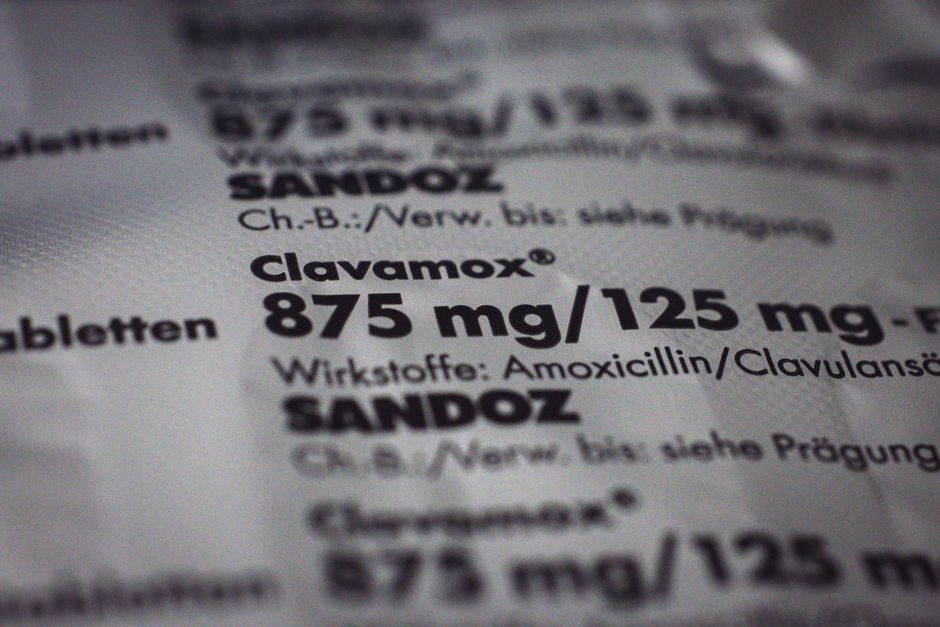
Yes, amoxicillin can kill the bacteria causing a tooth infection, but it does not cure the infection itself. The antibiotic stops bacteria from growing, which gives your immune system a chance to fight back. But the source of the infection — usually dead nerve tissue or deep decay inside the tooth — remains. Without dental treatment, the infection almost always returns once the antibiotic course ends.
How Does Amoxicillin Work on a Tooth Infection?
Amoxicillin is a penicillin-type antibiotic. It works by weakening the cell walls of certain bacteria. When the wall breaks, the bacteria die. This reduces the number of harmful bacteria in the infected area.
Tooth infections, also called dental abscesses, happen when bacteria get inside the tooth or gum pocket. The body sends white blood cells to fight them. But the bacteria multiply faster than the body can kill them. That is where amoxicillin helps. It slows the bacteria down.
Research published in the Journal of Endodontics found that amoxicillin is effective against many of the bacteria found in dental abscesses. However, not all tooth infections respond to amoxicillin. Some bacteria are resistant. And some infections are caused by bacteria that amoxicillin does not cover well.
Your dentist will usually prescribe amoxicillin for 7 to 10 days. You must take the full course. Stopping early can leave some bacteria alive. Those survivors may become resistant to the antibiotic.
Does Amoxicillin Kill a Tooth Infection Without Dental Treatment?
No. This is one of the most important things to understand. Amoxicillin can control the infection temporarily. But it cannot remove the source.
A tooth abscess forms when bacteria reach the pulp — the soft tissue inside your tooth. Once the pulp dies, it becomes a food source for bacteria. No antibiotic can bring dead tissue back to life. And no antibiotic can remove the pocket of pus and debris that forms at the root tip.
The American Dental Association states that antibiotics are an adjunct to dental treatment, not a replacement. The standard treatments are either a root canal to clean out the infected pulp or an extraction to remove the tooth entirely.
Some people delay dental work after antibiotics make them feel better. This is risky. The infection can spread to the jaw, throat, or bloodstream. A 2022 study in the Journal of Dental Research found that patients who did not follow up with dental treatment after antibiotics had a 40% higher rate of hospitalization for severe infection within one year.
What Are the Side Effects of Amoxicillin?
Most people tolerate amoxicillin well. But side effects are common. The most frequent ones affect the digestive system.
These include nausea, diarrhea, vomiting, and stomach pain. Taking amoxicillin with food can reduce some of these symptoms. A probiotic supplement or yogurt with live cultures may also help maintain gut bacteria.
More serious side effects are less common but real. Allergic reactions occur in about 1 to 2% of people. Signs include rash, itching, swelling of the face or tongue, and trouble breathing. If you have a known penicillin allergy, tell your dentist. They can prescribe a different antibiotic like clindamycin or azithromycin.
A less common but serious side effect is C. difficile infection. This causes severe diarrhea and colitis. It happens when amoxicillin kills protective gut bacteria, allowing C. difficile to overgrow. This requires medical treatment.
Some people also report vaginal yeast infections. This is because antibiotics kill both harmful and helpful bacteria, allowing yeast to grow unchecked.
| Side Effect | Frequency | Action |
|---|---|---|
| Nausea, diarrhea | Common (up to 20%) | Take with food, stay hydrated |
| Allergic rash | Uncommon (1-2%) | Stop medication, call your doctor |
| Severe allergic reaction | Rare (0.01%) | Call 911 immediately |
| C. difficile infection | Rare | Contact your doctor for treatment |





How Fast Does Amoxicillin Work on a Tooth Infection?
Most people notice improvement within 24 to 48 hours. The pain often lessens. Swelling may start to go down. But this is not a sign the infection is gone.
Amoxicillin reaches peak levels in the blood about 1 to 2 hours after taking it. The antibiotic then enters the infected tissue. It takes time for enough bacteria to die so the body can start healing.
If you do not feel any improvement after 48 to 72 hours, call your dentist. The infection may be resistant to amoxicillin. Or the infection may be severe enough that you need immediate dental treatment. A 2020 study in Clinical Infectious Diseases found that about 15% of dental abscess bacteria are resistant to amoxicillin.
Do not double your dose if you miss one. Just take the next dose at the regular time. Doubling up increases side effects without helping the infection more.
What Are the Alternatives to Amoxicillin for Tooth Infections?
Amoxicillin is not the only option. And for some people, it is not the right option.
If you are allergic to penicillin, your dentist may prescribe clindamycin. This antibiotic works well against the bacteria found in dental infections. It is often the first choice for people with penicillin allergies.
Metronidazole is another option. It is sometimes used alone or combined with amoxicillin. It works especially well against anaerobic bacteria — bacteria that live without oxygen. These are common in deep gum infections.
Azithromycin is a macrolide antibiotic. It is effective against many dental bacteria. It also has a shorter treatment course, often 3 to 5 days. Some studies suggest it is as effective as amoxicillin for dental abscesses.
But again, no antibiotic replaces dental treatment. The choice of antibiotic depends on your medical history, the type of infection, and local resistance patterns. Your dentist makes this decision based on your specific situation.
Common Misconceptions About Amoxicillin and Tooth Infections
One widespread belief is that amoxicillin can be used as a preventive measure. Some people think taking antibiotics before dental work will prevent infection. This is not true for most people. The American Heart Association only recommends preventive antibiotics for people with specific heart conditions, like artificial heart valves or a history of infective endocarditis.
Another misconception is that leftover amoxicillin from a previous infection can treat a tooth infection. This is dangerous. The dose and duration needed for a tooth infection may be different. And using leftover antibiotics without a diagnosis can delay proper treatment. The CDC reports that about 30% of antibiotic prescriptions are unnecessary. Using leftovers contributes to antibiotic resistance.
Some people also believe that herbal or natural remedies can replace antibiotics for tooth infections. Garlic, clove oil, and salt water rinses may provide temporary pain relief. But they cannot kill the deep bacterial infection. Relying on them instead of antibiotics and dental care can allow the infection to spread to dangerous areas like the jaw or bloodstream.
One more myth is that pain relief means the infection is gone. Pain often decreases because the antibiotic reduces bacterial pressure inside the tooth. But the dead tissue and bacteria are still there. The infection will return once the antibiotic stops. Pain relief is a temporary effect, not a cure.
When Should You See a Dentist for a Tooth Infection?
You should see a dentist as soon as you notice signs of infection. Do not wait to see if it gets better on its own.
Signs of a tooth infection include:
- Severe, throbbing tooth pain that does not stop
- Pain when chewing or touching the tooth
- Swelling in the face, cheek, or jaw
- Fever
- Bad taste in the mouth from pus drainage
- Swollen lymph nodes under the jaw
If the swelling spreads to your neck or throat, or if you have trouble breathing or swallowing, go to the emergency room immediately. This can be a sign of Ludwig’s angina, a life-threatening infection that blocks the airway.
The CDC recommends seeking dental care within 24 hours of noticing symptoms. Delays increase the risk of the infection spreading. A 2019 study in the Journal of the American Dental Association found that patients who delayed treatment for more than 3 days had a 50% higher risk of needing hospitalization.
Do not try to drain the abscess yourself. Poking or squeezing it can push bacteria deeper into the tissue or into the bloodstream. Leave that to a professional.
Frequently Asked Questions
Can amoxicillin cure a tooth infection on its own?
No, amoxicillin cannot cure a tooth infection alone. It controls bacterial growth temporarily, but dental treatment is needed to remove the source of the infection.
How long does it take for amoxicillin to work on a tooth infection?
Most people feel some relief within 24 to 48 hours. Full improvement usually takes a few days, but the infection is not gone until the tooth is treated.
What happens if amoxicillin does not help my tooth infection?
Contact your dentist. The bacteria may be resistant to amoxicillin, or the infection may be severe enough that you need immediate dental treatment or a different antibiotic.
Can I drink alcohol while taking amoxicillin for a tooth infection?
Alcohol does not directly stop amoxicillin from working, but it can increase side effects like nausea and dizziness. It is best to avoid alcohol until you finish the course.
