
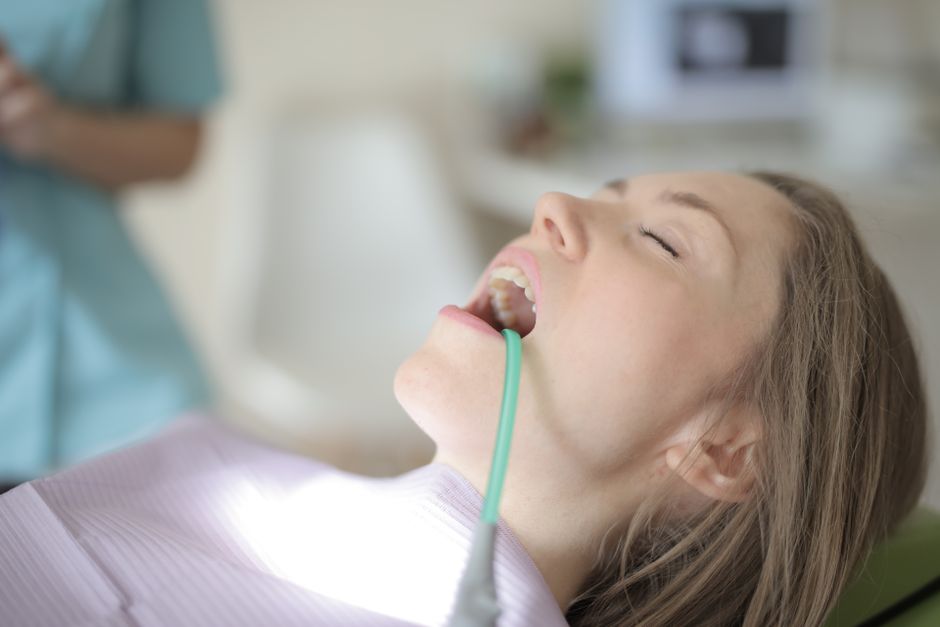
A nitrous oxide burn in the mouth is a cold injury, not a heat burn. It happens when pressurized gas escapes too fast and freezes tissue on contact. The damage is usually confined to the lips, the inside of the mouth, or the upper airway, and the first step in treatment is to stop the exposure and let the tissue warm gradually on its own.
Most small lip or mouth burns from this cause heal without scarring within one to two weeks. Larger or deeper injuries need medical evaluation. Do not rub the area, do not apply ice, and do not try to warm it with direct heat. If blistering is widespread, if the skin turns white or black, or if there is trouble breathing or swallowing, seek emergency care right away.
What Actually Causes a Nitrous Oxide Burn?
The injury comes from cold, not from the gas itself. Nitrous oxide is stored as a compressed liquid. When it is released quickly from a tank or a canister, it expands and drops in temperature sharply. That rapid expansion is called the Joule-Thomson effect, and it can push the gas well below freezing.
Skin and mucous membranes exposed to that cold stream can freeze within seconds. The result is a frostbite-type injury. The tissue damage is similar in principle to what happens when skin is exposed to extreme cold outdoors, though the exposure here is very brief and very localized.
Two settings account for most cases. The first is medical or dental use, where a mask or delivery device leaks or is misdirected. The second is recreational use, where gas is released from a canister and inhaled directly. In recreational cases, the lips and the front of the mouth take the brunt of the cold.
One detail that surprises people: the burn can look mild at first. Numbness from the cold can mask how deep the injury goes, so the visible damage may appear worse over the following hours rather than immediately.
How To Treat A Nitrous Oxide Burn In The Mouth
Treatment follows the same principles used for any superficial cold injury: remove the source, protect the tissue, and let it rewarm without force. The mouth heals quickly in most cases because the lining has a strong blood supply.
What to do:
- Stop the exposure immediately and move away from the gas source.
- Let the area warm naturally at room temperature. You can hold lukewarm — not hot — water in the mouth if it feels comfortable.
- Rinse gently with plain water or a mild saltwater rinse to keep the area clean.
- Leave blisters intact. A blister is a sterile dressing. Breaking it raises the risk of infection.
- Use a lip balm or a simple protective ointment on the lips if they feel dry or cracked.
- Take an over-the-counter pain reliever if needed, following the label directions.
What not to do:
- Do not rub, scrub, or massage the injured area.
- Do not apply ice or anything frozen.
- Do not use direct heat — no hot drinks, no heating pads, no hair dryers.
- Do not pick at peeling skin or pop blisters.
- Do not use alcohol-based mouthwash on an open wound.
The reason for avoiding direct heat is that injured tissue cannot sense temperature well. You can easily burn skin that is already damaged without feeling it. Gradual rewarming at room temperature is safer.
When Should You See a Doctor?
Most small lip burns heal on their own. Some injuries need a clinical look, and a few need emergency care. The dividing line is depth and location.
Seek emergency care if any of these apply:
- Trouble breathing, speaking, or swallowing
- Swelling in the throat or neck
- Skin that is white, gray, or black and does not blanch when pressed
- Loss of feeling that does not return within a few hours
- Burns covering a large area of the mouth or lips
- Signs of infection: increasing pain, pus, fever, or spreading redness
Call a doctor or dentist for a same-day or next-day visit if the burn is painful enough to interfere with eating or drinking, if blisters are large, or if you are unsure how deep the injury goes. People with diabetes, poor circulation, or a weakened immune system should have any mouth burn checked, because healing can be slower and infection risk is higher.
One thing worth knowing: cold injuries can look worse on day two or three than they did on day one. That is normal. The tissue that was frozen may blister and peel as it recovers. What matters is whether the area underneath looks pink and healthy as it heals.


How Long Does It Take To Heal?
A superficial burn of the lip or mouth lining typically heals within one to two weeks. The mouth has a rich blood supply, which supports faster healing than skin elsewhere on the body.
Deeper injuries take longer. A burn that reaches below the surface layer may take several weeks and can leave a scar, particularly on the lips. If the injury involved the airway, recovery may require monitoring in a hospital even after the visible burn improves.
Healing usually follows a pattern:
- Days 1 to 2: numbness, redness, possible blistering
- Days 3 to 7: blisters may break and peel; new tissue forms underneath
- Week 2 and beyond: the area fades and sensation returns
If the area is not improving after two weeks, or if it seems to be getting worse at any point, get it checked. Slow healing can point to infection or a deeper injury than it first appeared.
Can a Nitrous Oxide Burn Be Prevented?
In medical and dental settings, these burns are uncommon and largely preventable. Properly fitted masks, correct gas flow rates, and equipment checks reduce the risk. If you feel cold or a stinging sensation during a procedure, tell the clinician right away.
In recreational use, prevention is more about avoiding the exposure altogether. The gas is released at very low temperatures when it comes straight from a canister, and the lips are the first tissue it touches. No technique makes that cold stream safe for the mouth. This is the clearest prevention point, and it is worth stating plainly: the injury is caused by the cold of the gas, and avoiding direct contact with the cold stream is the only reliable way to prevent it.
If you use nitrous oxide for a medical reason and have had a burn before, mention it to your clinician. Adjustments to the delivery method can usually prevent a repeat.
What About Infection Risk?
An open wound in the mouth is exposed to a lot of bacteria, but the mouth also heals well and infections after minor burns are not common. The risk rises when blisters are broken or when the injury is deep.
Keep the area clean with gentle saltwater rinses. Avoid spicy, acidic, or very hot foods while it heals, since these can irritate the tissue and slow recovery. If you notice increasing pain, swelling, a bad taste, or fever, see a doctor. These can signal an infection that needs treatment.
Antibiotics are not routinely needed for a small mouth burn. They are used when there is a confirmed or suspected infection, or in some cases of deep injury. This is a decision for a clinician, not something to manage on your own.
Frequently Asked Questions
How do you treat a nitrous oxide burn on the lip?
Stop the exposure and let the lip warm naturally at room temperature. Keep it clean, leave blisters intact, and avoid ice, direct heat, and rubbing.
How long does a nitrous oxide burn take to heal?
A superficial burn usually heals within one to two weeks. Deeper injuries can take several weeks and may leave a scar.
Should I pop the blister from a nitrous oxide burn?
No. Leave the blister intact, because it acts as a sterile cover and protects the tissue underneath. Breaking it raises the risk of infection.
When should I go to the doctor for a mouth burn?
Go right away if you have trouble breathing or swallowing, or if the skin turns white, gray, or black. See a doctor soon if the burn is large, very painful, or not healing after two weeks.
