
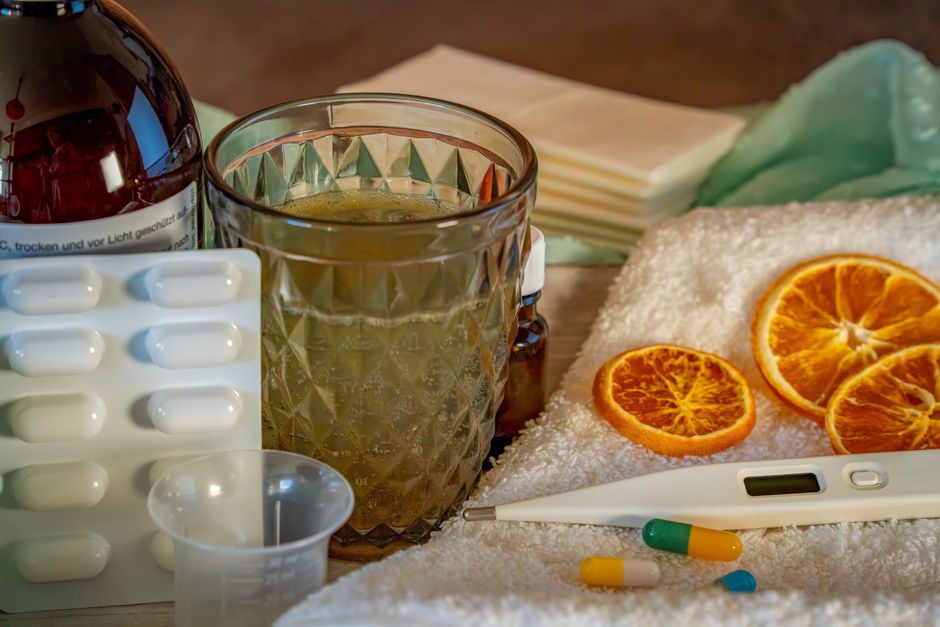
A gum infection needs real treatment, and home remedies can help manage symptoms, but they cannot cure a serious infection on their own. The most effective approach combines good oral hygiene with proven anti-inflammatory and antibacterial rinses, while seeing a dentist for professional care. Salt water rinses, cold compresses, and proper brushing and flossing are the remedies that actually work to reduce swelling and bacteria, but they are temporary measures, not a permanent fix.
What Causes a Gum Infection in the First Place?
A gum infection starts with plaque. Plaque is a sticky film of bacteria that forms on your teeth constantly. When plaque is not removed by brushing and flossing, it hardens into tartar. Tartar cannot be removed at home. Only a dentist or dental hygienist can scrape it away.
The bacteria in plaque and tartar release toxins. These toxins irritate the gums. Your body responds with inflammation. That inflammation is what makes gums red, swollen, and prone to bleeding. This early stage is called gingivitis.
If gingivitis is left untreated, the infection can spread deeper. It can move below the gumline and affect the bone that holds your teeth in place. This advanced stage is called periodontitis. Periodontitis can lead to tooth loss. It is not something home remedies can reverse.
How To Treat A Gum Infection At Home Remedies That Work
The home remedies that work are the ones that reduce bacteria and calm inflammation. They do not cure advanced infections, but they can stop early gum disease from getting worse and provide relief while you wait for dental care.
Salt water is the most reliable home remedy. It works through osmosis. The salt draws fluid out of swollen gum tissue, which reduces puffiness. It also creates an environment that is less hospitable to bacteria. Mix half a teaspoon of salt into a glass of warm water. Swish it around your mouth for 30 seconds. Spit it out. Do this two to three times a day.
Cold compresses help with pain and swelling. Wrap an ice pack or a bag of frozen vegetables in a thin cloth. Hold it against your cheek for 15 minutes at a time. The cold narrows blood vessels, which reduces swelling and numbs the area. This works best in the first 48 hours of swelling.
Good brushing and flossing are non-negotiable. Brush twice a day with a soft-bristled toothbrush. Floss once a day. This removes the plaque that feeds the infection. If your gums bleed when you floss, keep going. Bleeding usually means inflammation, and consistent flossing helps reduce it over a week or two.
Does Hydrogen Peroxide Actually Help?
Hydrogen peroxide is a common home remedy for gum infections. It is an antiseptic, which means it kills bacteria on contact. Some research suggests that rinsing with a diluted hydrogen peroxide solution can reduce gum inflammation and bleeding.
If you use it, dilute it first. A 3% hydrogen peroxide solution should be mixed with equal parts water. Swish for no more than 30 seconds. Do not swallow it. Spit it out completely. Use it once or twice a day, but not for more than a week without checking with your dentist.
There is a catch. Hydrogen peroxide can irritate soft tissue if used too often or at too high a concentration. It can also damage healthy cells alongside bacteria. It is a helpful short-term tool, not a long-term solution. If your gums are not improving after a week, you need professional care.



Can Natural Oils or Herbal Rinses Cure an Infection?
Oil pulling is a traditional practice where you swish oil, usually coconut or sesame, in your mouth for 15 to 20 minutes. Some small studies suggest it can reduce plaque and gingivitis. The oil does not pull toxins from your body, but swishing does dislodge some bacteria from tooth surfaces.
Coconut oil has lauric acid, which has antibacterial properties in laboratory settings. Whether that translates to meaningful effects in the mouth is not fully proven. The evidence is limited and mixed. Oil pulling can be a complement to brushing and flossing, but it should never replace them.
Tea tree oil has antibacterial properties, but it is not safe to swallow. It can be toxic if ingested. If you use it, it must be heavily diluted. One drop in a glass of water is a common dilution, but even then, some people develop allergic reactions. There is no strong clinical evidence that tea tree oil treats gum infections effectively. The risk of harm is real, and the benefit is unproven.
Herbal rinses like chamomile or sage may have mild anti-inflammatory effects. Some studies indicate they can reduce gum swelling. But the effect is modest. They are not a substitute for treating the bacterial cause of the infection.
When Do Home Remedies Stop Working?
Home remedies work for mild gum inflammation. They fail when the infection has spread below the gumline. Once bacteria reach the pockets between your gums and teeth, a rinse cannot reach them. The bacteria form a biofilm that is resistant to rinses and mouthwashes.
You need to see a dentist if you have any of these signs:
- Pain that lasts more than a few days
- Swelling that does not go down with home care
- Pus between your teeth and gums
- Loose teeth
- Gums that pull away from your teeth
- Persistent bad breath that brushing does not fix
These are signs of periodontitis or a dental abscess. A dental abscess is a pocket of pus caused by a bacterial infection. It will not resolve with home remedies. It requires professional drainage and often antibiotics. If you have facial swelling, fever, or trouble swallowing, this is a medical emergency. Go to urgent care or the emergency room.
What Will the Dentist Do That Home Remedies Cannot?
A dentist can remove tartar. This is a process called scaling. It uses specialized instruments to scrape plaque and tartar from above and below the gumline. This is the single most important step in treating gum disease, and it cannot be replicated at home.
Your dentist may also do root planing. This smooths the roots of your teeth so bacteria have fewer places to hide. It helps the gums reattach to the teeth. Depending on the severity, this may require local anesthesia.
If the infection is severe, your dentist may prescribe antibiotics. These can be oral pills or a topical gel placed directly into the gum pockets. Antibiotics are the only way to eliminate bacteria that have penetrated deep tissue. Home remedies cannot do this.
In advanced cases, surgery may be necessary. Flap surgery lifts the gums to clean the roots. Bone grafts can replace bone destroyed by infection. These are serious procedures, but they are the only option when the infection has caused structural damage.
Can You Prevent a Gum Infection From Coming Back?
Yes, but it requires consistent habits. The same plaque that started the infection will return within 24 hours if you stop brushing. Prevention is not complicated, but it is daily work.
Brush for two minutes, twice a day. Use a soft-bristled brush and fluoride toothpaste. Angle the bristles toward the gumline at 45 degrees. This clears plaque from the area where teeth meet gums.
Floss once a day. If traditional floss is difficult, try floss picks or a water flosser. Water flossers are not better than string floss, but they are better than not flossing at all. The goal is to remove plaque between teeth where a brush cannot reach.
See your dentist for cleanings every six months. If you have a history of gum disease, they may recommend more frequent visits. Professional cleanings catch problems early, when they are still reversible.
Smoking is a major risk factor for gum disease. It reduces blood flow to the gums, which impairs healing. Quitting smoking is one of the most effective things you can do for your gums. The evidence here is strong and consistent.
What About Over-the-Counter Mouthwashes?
Antiseptic mouthwashes can help, but they are not a cure. Chlorhexidine is the most effective antibacterial mouthwash available, and it is typically prescription-only. Over-the-counter mouthwashes with cetylpyridinium chloride or essential oils have some antibacterial effect, but it is weaker.
Mouthwash is a supplement to brushing and flossing, not a replacement. It cannot remove plaque that is already attached to your teeth. It can only kill some bacteria on the surface. If you use mouthwash, choose one without alcohol. Alcohol can dry out your mouth, and a dry mouth actually promotes bacterial growth.
One clarification that surprises people: mouthwash does not penetrate below the gumline. The bacteria that cause periodontitis live in pockets that are several millimeters deep. No rinse reaches them. This is why mouthwash alone never resolves a gum infection.
Frequently Asked Questions
How long does it take for a gum infection to heal with home remedies?
Mild gum inflammation can improve within one to two weeks of consistent salt water rinses and good brushing and flossing. If you do not see improvement in that time, you need a dentist.
Can a gum infection go away on its own without treatment?
No. The bacteria that cause gum infections do not disappear on their own. Without treatment, gingivitis can progress to periodontitis, which causes permanent damage to bone and tissue.
Is it safe to pop a gum boil or abscess at home?
No. Popping a gum abscess can push the infection deeper and cause it to spread. You need a dentist to drain it properly and determine whether antibiotics are needed.
Does baking soda help with gum infections?
Baking soda can neutralize acids in the mouth and has mild abrasive properties that help remove surface plaque. It may reduce inflammation temporarily, but it does not treat an active infection and should not replace dental care.
