
Traveling with mushrooms — whether culinary, medicinal, or otherwise — comes down to one question: what exactly are you carrying? For dried porcini or fresh shiitake, the rules are straightforward. For psilocybin mushrooms, the answer is simple: do not bring them on a flight or across any international border. Customs and border agencies treat psilocybin as a controlled substance, and possession can lead to serious legal consequences. This guide covers what is legal, what is not, and how to handle mushrooms correctly when you fly.
What Types of Mushrooms Can You Legally Travel With?
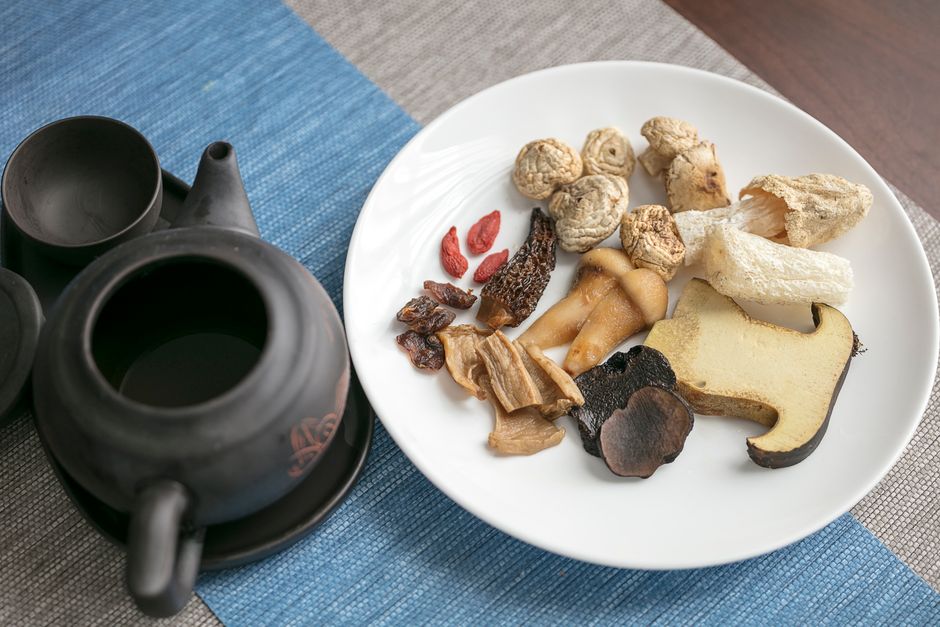
Legal mushrooms fall into two main groups: culinary mushrooms and legal supplement mushrooms. Culinary varieties include button, cremini, portobello, shiitake, oyster, and porcini. These are food products. You can travel with them domestically and, in most cases, internationally, as long as they meet agricultural import rules.
Legal supplement mushrooms include species like lion’s mane, reishi, chaga, and cordyceps. These are sold as powders, capsules, or dried whole mushrooms. They contain no psilocybin and are not controlled substances. However, they are still subject to food import regulations. A powdered supplement in a sealed commercial package is far less likely to raise questions than a bag of unidentified dried plant material.
If you are carrying legal mushrooms, keep them in their original packaging when possible. A clear label showing the species name and that it is a food or supplement product helps customs officers process you quickly.
Domestic Flights Within the United States
Flying domestically with culinary mushrooms is generally not a problem. The Transportation Security Administration (TSA) focuses on security threats — weapons, explosives, liquids over 3.4 ounces. Food items are allowed through security checkpoints. Fresh mushrooms, dried mushrooms, and mushroom powders in reasonable quantities are all permitted in carry-on or checked luggage.
There is an important distinction here. TSA does not search for drugs. Their screening officers are not law enforcement in the traditional sense. However, if a TSA officer discovers what appears to be an illegal substance during a bag check, they will call local law enforcement. Psilocybin mushrooms are illegal under federal law regardless of state laws. Even if you are flying between two states where psilocybin has been decriminalized, the flight itself falls under federal jurisdiction.
The practical takeaway: TSA will not stop you for a bag of dried shiitake. They will stop you if they find something that looks like psilocybin. No state law protects you on a domestic flight.
International Travel and Customs Laws
International travel is where mushroom rules become strict. Every country has its own customs regulations, and they all share one priority: preventing the introduction of foreign plant material that could carry pests or diseases.
For culinary mushrooms, the rules vary by country. Australia and New Zealand have some of the strictest biosecurity laws in the world. Fresh mushrooms are often prohibited entirely. Dried mushrooms may be allowed but must be declared. Canada and the United Kingdom generally permit commercially packaged dried mushrooms but restrict fresh ones. Japan and South Korea have specific certification requirements for imported mushroom products.
The universal rule for international travel: declare all food items. If you fail to declare a food product and it is discovered, you face fines that range from a few hundred dollars to thousands. In Australia, failure to declare can result in penalties over 2,600 Australian dollars, and that is for a legal item like dried porcini. For illegal items, the consequences escalate quickly.




Psilocybin Mushrooms: The Legal Reality
Psilocybin and psilocin are Schedule I controlled substances under the United States Controlled Substances Act. This classification means the federal government considers them to have no accepted medical use and a high potential for abuse. This is true even in states and cities that have decriminalized or legalized psilocybin for therapeutic use.
Oregon and Colorado have legalized regulated psilocybin services for adults. Several cities including Denver and Oakland have decriminalized possession. None of these laws change federal law. If you carry psilocybin mushrooms through an airport, you are transporting a Schedule I substance across federal jurisdiction. Airports are federal property in many respects, and TSA operates under federal authority.
International travel with psilocybin is even more dangerous. Many countries impose severe penalties for drug trafficking. In Japan, possession of psilocybin can lead to years in prison. In Singapore, drug offenses carry mandatory death penalties for trafficking quantities. Indonesia has executed foreign nationals for drug offenses. The risk is not theoretical. It is severe and permanent.
Can You Fly With Medicinal Mushroom Supplements?
Medicinal mushroom supplements like lion’s mane, reishi, and cordyceps are legal to fly with in the United States. These products contain no controlled substances. They are regulated as dietary supplements by the FDA, though the FDA does not approve them for safety or efficacy before they reach the market.
For international travel, check whether the specific supplement is approved for import in your destination country. Some countries regulate certain mushroom species differently. For example, agaricus blazei (a type of medicinal mushroom) is not approved as a food ingredient in some European countries. Amanita muscaria, sometimes sold as a “legal” mushroom supplement, is not scheduled under federal law but is toxic and unapproved for human consumption. Its legal status varies by country, and it is not safe to consume.
A practical note on packaging: keep supplements in their original labeled containers. A bottle labeled “Reishi Extract 500mg” from a reputable brand is clearly a commercial supplement. A ziplock bag of brown powder looks like something else entirely, even if it is completely legal.
How To Pack Mushrooms for Air Travel
For legal mushrooms, packing is straightforward. Fresh culinary mushrooms should be packed in a way that prevents crushing. A rigid container works well. Dried mushrooms can go in zip-top bags or their original packaging. Mushroom powder should be in sealed containers to prevent spillage.
If you are checking a bag, mushrooms are fine there too. The same rules apply. There is no limit on the quantity of legal mushrooms you can carry for personal use, though extremely large quantities may raise questions about commercial importation.
For international travel, check the agricultural import rules of your destination country before you pack. The United States Department of Agriculture (USDA) and the Customs and Border Protection (CBP) agency regulate what enters the United States. If you are returning from abroad with mushrooms, you must declare them on your customs form. CBP officers will inspect them and decide whether they can enter. Some dried mushrooms are allowed. Fresh mushrooms from most countries are not.
What Happens If You Declare Mushrooms at Customs?
Declaring a legal food item is the correct approach. When you declare mushrooms, a customs officer will ask what they are and where they came from. They may inspect them. In most cases, commercially packaged dried mushrooms from a reputable source are allowed entry. Fresh mushrooms are frequently confiscated because of soil and pest concerns.
If the mushrooms are confiscated, you will not face a fine if you declared them. Confiscation without penalty is the standard outcome for a declared but prohibited agricultural item. The officer will dispose of the mushrooms and send you on your way.
If you do not declare mushrooms and they are found, the outcome is different. You face a civil penalty. For agricultural items, the fine typically starts around 300 dollars and can rise to 1,000 dollars or more depending on the item and the circumstances. This applies to legal mushrooms like dried porcini. The penalty for failing to declare an illegal substance is a completely different matter involving criminal prosecution.
Mushroom Gummies and Edibles: Same Rules Apply
Mushroom gummies have become popular in recent years. Some contain legal mushroom extracts like lion’s mane or reishi. Others contain psilocybin or compounds like amanita muscaria extract. The packaging often makes the distinction unclear.
If a gummy contains psilocybin, it is a Schedule I substance regardless of how it is packaged. The “not for human consumption” label that appears on many of these products does not change the legal reality. Customs officers have seen these products and know what they are.
If a gummy contains only legal mushroom extracts, it is a dietary supplement and subject to the same rules as other supplements. Keep it in its original packaging. Be prepared to explain what it is if asked. The label should clearly list the mushroom species and show that it contains no controlled substances.
International Travel With Mushrooms: Country-Specific Rules
European Union countries generally allow dried culinary mushrooms from the United States. Fresh mushrooms face restrictions because of soil and pest concerns. The United Kingdom follows similar rules. Canada allows most dried mushrooms but restricts fresh ones to specific approved species.
Australia and New Zealand have the strictest biosecurity laws in the world. Fresh mushrooms are almost always prohibited. Dried mushrooms may be allowed but must be declared and inspected. Failure to declare can result in immediate fines and, in serious cases, visa cancellation and deportation.
Asian countries vary widely. Japan allows commercially packaged dried mushrooms but has strict rules about fresh produce. China restricts many agricultural imports and requires permits for others. Singapore has severe penalties for any drug offense, and psilocybin is treated as a hard drug.
Before any international trip with mushrooms, check the official customs website of your destination country. Search for “personal food import” or “plant product restrictions.” The rules change frequently, and the information on travel blogs is often outdated or wrong.
Frequently Asked Questions
Can I bring dried mushrooms through TSA security?
Yes, dried culinary mushrooms are allowed through TSA checkpoints in carry-on or checked luggage. Medicinal mushroom supplements in commercial packaging are also permitted.
What happens if TSA finds psilocybin mushrooms in my bag?
TSA will contact local law enforcement, and you will face criminal charges under federal law. State decriminalization laws do not apply at airports because they fall under federal jurisdiction.
Do I need to declare mushrooms at customs when returning to the US?
Yes, you must declare all food items including mushrooms on your customs form. Declared items that are prohibited are confiscated without penalty, while undeclared items result in fines starting around 300 dollars.
Are mushroom gummies legal to fly with?
Gummies containing psilocybin are illegal under federal law and cannot be flown with. Gummies containing only legal mushroom extracts like lion’s mane or reishi are permitted as dietary supplements.
