
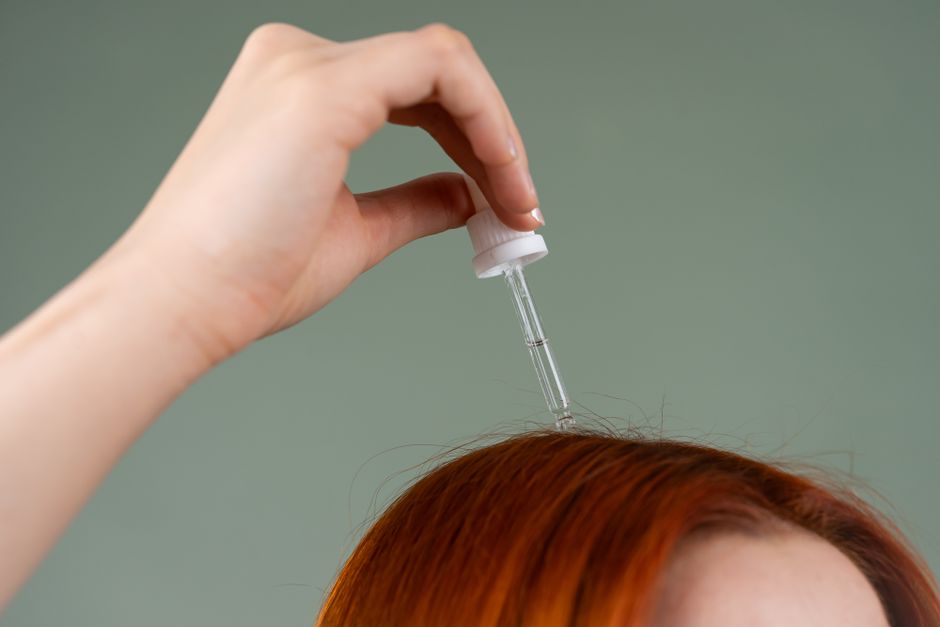
Scabs on your scalp are usually a sign that your skin is healing from some form of damage or irritation. The most direct way to get rid of them is to stop picking at them, treat the underlying cause of the irritation, and keep the area clean and moisturized. If the scabs keep coming back, the issue is almost always a chronic condition like seborrheic dermatitis or psoriasis, not a one-time injury.
Why Do I Keep Getting Scabs On My Scalp?
Recurring scalp scabs are rarely random. They are typically the result of a specific skin condition that causes inflammation and itching. When you scratch that itch, you damage the top layer of skin, and a scab forms as part of the healing process.
The most common cause is seborrheic dermatitis. This condition causes flaky, greasy patches of skin. It is a form of eczema that affects areas with many oil-producing glands, and the scalp is a primary target. When the flakes are pulled off or scratched, they can leave small, raw areas that scab over.
Psoriasis is another frequent culprit. This is an immune system condition that speeds up the skin cell life cycle. On the scalp, it appears as thick, silvery scales. These scales adhere tightly to the skin, and removing them often causes bleeding and scabbing.
Other causes include contact dermatitis from hair dyes or shampoos, fungal infections like ringworm, or simple physical trauma from tight hairstyles or harsh brushing. If you have a single scab that appeared after a specific injury, it will likely heal on its own. If you have multiple scabs across your scalp that appear regularly, a chronic skin condition is the likely driver.
What Is The Fastest Way To Heal A Scalp Scab?
The fastest way to heal a scab is to leave it alone. A scab is a protective layer of dried blood and serum that shields the new skin forming underneath. Every time you pick at it, you tear that new skin and reset the healing clock.
Keep the area clean using a gentle, fragrance-free shampoo. You do not need medicated shampoo for a single injury scab. Washing removes bacteria that could cause an infection and keeps the scab from becoming too thick.
Moisture helps speed up the process. A dry scab is more likely to crack and itch. Applying a thin layer of plain petroleum jelly or a fragrance-free moisturizer to the scab can keep it supple. However, these products can make the hair look greasy, so apply them sparingly and directly to the scab itself.
Do not scrub the area. When you wash your hair, use your fingertips to gently massage the shampoo in. Avoid using fingernails or a scalp scrubber on the affected area.
How Do I Get Rid Of Scabs On My Scalp From Seborrheic Dermatitis?
If seborrheic dermatitis is the cause, the scabs will not stop until the underlying inflammation is controlled. The treatment focuses on reducing the yeast that lives on the skin and managing the oil production that feeds it.
Over-the-counter shampoos containing ketoconazole, zinc pyrithione, or selenium sulfide are the first line of defense. These ingredients reduce the Malassezia yeast population on the scalp, which is a major trigger for seborrheic dermatitis.
Use these shampoos twice a week. Leave the shampoo on your scalp for the time listed on the bottle, usually three to five minutes, before rinsing. This contact time is essential for the active ingredient to work.
For stubborn cases, some clinicians recommend alternating between two different active ingredients. For example, use ketoconazole one wash and zinc pyrithione the next. This approach prevents the yeast from adapting to one specific treatment.
If over-the-counter options do not clear the scabs within four weeks, a dermatologist can prescribe a stronger topical treatment. Prescription-strength ketoconazole or a topical corticosteroid solution can break the cycle of inflammation and itching.




What Treatments Work For Scabs Caused By Scalp Psoriasis?
Scalp psoriasis requires a different approach than seborrheic dermatitis. The problem is not yeast overgrowth but an overproduction of skin cells. Treatment aims to slow that cell growth and soften the thick scales so they can be removed gently without causing bleeding.
Salicylic acid is a common ingredient in psoriasis shampoos and topical solutions. It works as a keratolytic, meaning it breaks down the bonds between dead skin cells. This softens the thick plaques so they can be washed away more easily.
Coal tar is another established treatment. It slows skin cell growth and reduces scaling. It has a strong odor and can stain fabrics, but it is effective for many people. Shampoos containing coal tar are available over the counter.
For thick scales, some dermatologists recommend applying an oil or ointment to the scalp overnight. Mineral oil or olive oil can soften the scales, making them easier to lift off with a fine-toothed comb after a shower. Never pull at the scales. Let the oil and shampoo do the work of loosening them.
If the psoriasis is widespread or resistant to topical treatments, a doctor may prescribe a vitamin D analogue like calcipotriene or a topical steroid. These are prescription medications that require a doctor’s supervision.
What Should I Do If A Scab Looks Infected?
Most scalp scabs heal without issue, but infections can happen. The scalp has a rich blood supply, which helps healing but also means bacteria can spread quickly.
Signs of infection include increasing redness around the scab, warmth, swelling, or pain that gets worse instead of better. Drainage of yellow or green pus is another clear warning sign. If you develop a fever, that is a medical emergency and requires immediate attention.
Do not attempt to treat an infected scalp scab at home. You need a medical evaluation. A doctor may prescribe an antibiotic ointment or, in more serious cases, an oral antibiotic. Early treatment prevents the infection from spreading to hair follicles or deeper skin layers.
How Can I Prevent Scalp Scabs From Coming Back?
Prevention depends entirely on what is causing the scabs. For chronic conditions, prevention means consistent maintenance even when your scalp looks clear.
If you have seborrheic dermatitis, continue using a medicated shampoo once a week even after the scabs are gone. Stopping treatment entirely often leads to a flare-up within a few weeks.
If your scabs come from scratching, focus on breaking the itch-scratch cycle. Keep your fingernails short. Some people find that applying a cool compress to the scalp relieves itching without causing damage.
Pay attention to your hair care products. If you recently switched shampoo or hair dye and then developed scabs, the product may be the trigger. Stop using it and see if the irritation resolves.
Stress is a known trigger for both seborrheic dermatitis and psoriasis. Managing stress will not cure the condition, but it can reduce the frequency and severity of flare-ups.
When Should I See A Doctor About Scalp Scabs?
You should see a doctor if the scabs do not improve after four weeks of consistent over-the-counter treatment. You should also see a doctor if the scabs are spreading, bleeding heavily, or causing significant hair loss.
A dermatologist can diagnose the specific condition causing your scabs by examining your scalp. In some cases, they may take a small skin sample for testing. This is quick and helps rule out less common causes.
Do not ignore persistent scalp scabs. While they are usually benign, a sore that does not heal can occasionally be a sign of skin cancer. This is rare on the scalp but more common in people with significant sun exposure or a history of sunburns. A doctor’s evaluation provides certainty.
Frequently Asked Questions
Is it bad to pick scabs off my scalp?
Yes, picking scabs slows down healing and increases your risk of infection and scarring. It also damages the new skin forming underneath, which can restart the healing process from scratch.
Can I use coconut oil on scalp scabs?
Coconut oil can help soften dry scabs and moisturize the skin, which may make them less itchy. However, it does not treat the underlying condition causing the scabs, so they will likely return if you stop using it.
How long does it take for a scalp scab to heal?
A minor scab from a small injury typically heals in about one to two weeks if left undisturbed. Scabs from chronic conditions like psoriasis or seborrheic dermatitis will not heal permanently until the underlying condition is treated.
Does dandruff shampoo help with scalp scabs?
Regular dandruff shampoo can help if the scabs are caused by seborrheic dermatitis. Look for shampoos with ketoconazole, zinc pyrithione, or selenium sulfide, and leave them on your scalp for several minutes before rinsing.
