
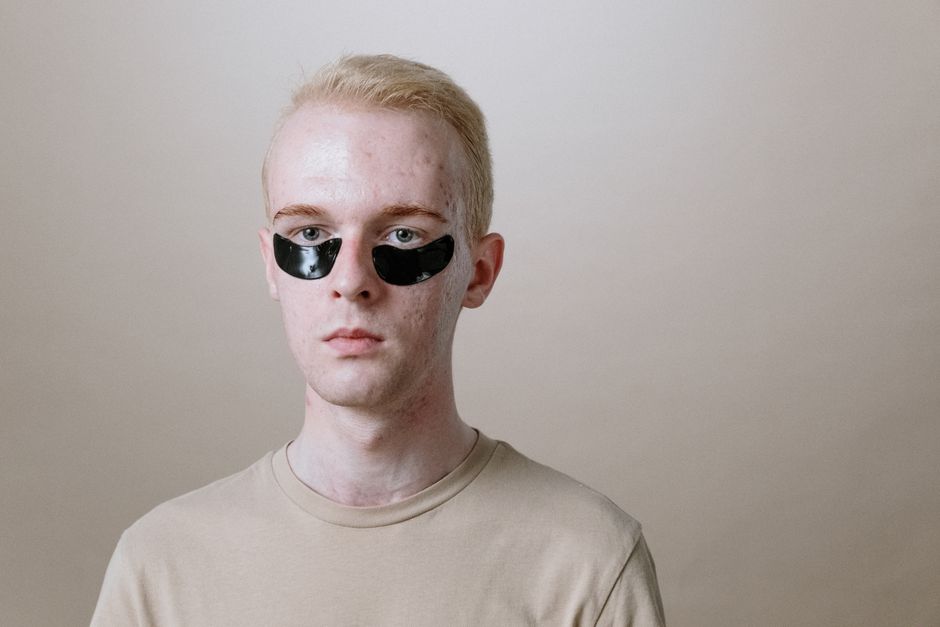
Pimples happen when hair follicles get clogged with oil and dead skin cells. That blockage can swell, fill with pus, and become the red bump you see in the mirror. While that is the basic mechanism, the real question is why your skin produces too much oil or sheds cells too quickly in the first place. Hormones, genetics, bacteria, and daily habits all play a part in that process.
What Is The Cause For Pimples?
The direct cause of a pimple is a blocked pore. Your skin has millions of tiny openings called pores, and each one contains a hair follicle and an oil gland. That gland produces sebum, which is a natural oil that keeps skin lubricated.
Normally, sebum travels up the follicle and out onto the skin surface. But when dead skin cells clump together, they can mix with sebum and form a plug. That plug traps everything inside. When the pore stays closed, you get a whitehead. When it opens to the air and the plug darkens, you get a blackhead.
If bacteria that normally live on your skin get trapped in that plugged pore, they multiply. Your immune system responds by sending white blood cells to fight them. That inflammatory response is what makes a pimple red, swollen, and painful.
Why Do Hormones Trigger Breakouts?
Hormones are the most common trigger for acne, especially during puberty. Androgens, which are male sex hormones present in both males and females, increase during the teenage years. These hormones signal your oil glands to grow larger and produce more sebum.
But hormones do not just affect teenagers. Women often experience breakouts before their menstrual period because estrogen and progesterone levels shift. These fluctuations can increase oil production and make skin cells stick together more easily. The same hormonal changes happen during pregnancy and perimenopause.
Stress also matters because it raises cortisol, a hormone that can push your oil glands into higher production. This does not mean stress causes acne on its own, but it can make existing acne worse.
How Does Genetics Influence Acne?
Your genes determine how your skin behaves. If one or both of your parents had acne, you are more likely to develop it too. Research suggests that genetics influence how much oil your glands produce, how quickly your skin cells shed, and how strongly your immune system reacts to trapped bacteria.
Some people naturally shed skin cells at a faster rate. That means more dead cells are available to mix with sebum and clog pores. Others have oil glands that are simply more active. Both traits run in families.
Genetics also affect how your skin responds to inflammation. Some people get a small, barely visible bump. Others develop large, painful cysts. That difference is largely inherited.





What Role Do Bacteria Play?
A bacterium called Cutibacterium acnes lives on everyone’s skin. It is a normal part of your skin’s microbiome and does not cause problems when pores are open. But when a pore becomes blocked, this bacterium thrives in the oxygen-poor environment and feeds on the trapped sebum.
As the bacteria multiply, they produce waste products that irritate the follicle lining. Your immune system detects this irritation and sends inflammatory chemicals to the area. That cascade of events turns a simple clogged pore into a red, tender pimple.
It is important to understand that C. acnes is not an infection you catch from someone else. Everyone carries it. The problem is not the presence of the bacteria but how your skin reacts when it gets trapped.
Do Diet and Lifestyle Choices Matter?
The link between diet and acne has been studied for decades, and the evidence has become clearer in recent years. Some research suggests that foods with a high glycemic index — meaning they raise blood sugar quickly — may worsen acne. White bread, sugary drinks, and processed snacks fall into this category. When blood sugar spikes, your body produces more insulin, which can increase oil production.
Dairy is another area of active research. Some studies have found a connection between skim milk and acne, though the evidence is not strong enough to say dairy causes breakouts in everyone. The relationship likely varies from person to person.
What you put on your skin matters too. Heavy moisturizers, greasy sunscreens, and makeup can contribute to clogged pores. Look for products labeled non-comedogenic, which means they are formulated to avoid blocking pores. But even that label is not a guarantee — everyone’s skin reacts differently.
What Makes Acne Worse?
Several habits can turn a mild breakout into a more serious problem. Picking or squeezing pimples pushes bacteria deeper into the skin and increases inflammation. It also raises the risk of permanent scarring.
Friction and pressure on the skin can worsen acne. Resting your chin on your hand, wearing tight headbands, or carrying a backpack strap across your shoulders can irritate follicles. This type of acne is called acne mechanica.
Some skin and hair products contain ingredients that clog pores. Heavy oils, cocoa butter, and certain silicones are common culprits. If you notice breakouts in areas where you apply a particular product, that product may be a trigger.
Medications can also cause or worsen acne. Lithium, corticosteroids, and some seizure medications are known to do this. If you suspect a medication is causing breakouts, talk to your doctor before making any changes.
When Should You See a Dermatologist?
Over-the-counter treatments work for many people, but they have limits. If you have tried a consistent routine for several weeks without improvement, a dermatologist can help. Prescription options include stronger topical medications, oral antibiotics, and treatments like spironolactone for hormonal acne in women.
Severe acne — especially nodules and cysts — deserves professional care. These deep, painful bumps carry a high risk of scarring. Early treatment can prevent permanent skin damage.
Sudden, severe acne in an adult can sometimes signal an underlying medical condition. Polycystic ovary syndrome (PCOS) is one example, and it often comes with irregular periods and excess facial hair. If acne appears alongside other symptoms, mention it to your doctor.
What Actually Works for Prevention?
Consistency matters more than intensity. Washing your face twice a day with a gentle cleanser removes excess oil and dead skin cells. Over-washing or using harsh scrubs strips the skin of protective oils, which can trigger your glands to produce even more sebum.
Non-comedogenic moisturizers help maintain a healthy skin barrier. When skin is too dry, it produces more oil to compensate. Keeping the skin balanced is the goal.
Benzoyl peroxide and salicylic acid are the most common active ingredients in over-the-counter acne products. Benzoyl peroxide kills bacteria and reduces inflammation. Salicylic acid helps unclog pores by encouraging dead skin cells to shed. Both have decades of clinical use behind them, but they work best when used consistently over weeks, not days.
Sunscreen is important because some acne treatments make skin more sensitive to the sun. Sun damage also thickens the outer layer of skin, which can lead to more clogged pores over time.
Does Exercise Help or Hurt?
Exercise itself does not cause acne. In fact, regular physical activity improves blood flow and can help regulate stress hormones. The problem is what happens after you sweat.
Sweat mixed with oil and dead skin cells can clog pores if it sits on your skin. Showering soon after a workout and changing out of sweaty clothes reduces that risk. Using a clean towel to pat your face dry is better than rubbing, which can irritate the skin.
Some people notice breakouts on areas where tight athletic gear presses against the skin. Choosing moisture-wicking fabrics and showering promptly can help.
Frequently Asked Questions
Can stress really cause pimples?
Stress does not directly cause pimples, but it can make existing acne worse by raising cortisol levels, which increases oil production. Managing stress may help reduce the severity of breakouts.
Does chocolate cause acne?
The evidence linking chocolate to acne is mixed and inconclusive. Some studies suggest a possible connection, but no research has proven that chocolate alone causes breakouts in most people.
How long does it take for a pimple to go away?
A single pimple typically lasts 3 to 7 days if left alone. Picking or squeezing it can extend healing time and increase the risk of scarring.
Is it safe to pop a pimple?
Dermatologists generally advise against popping pimples because it can push bacteria deeper and cause scarring. If a pimple needs professional drainage, a dermatologist can do it safely in a clinical setting.
