
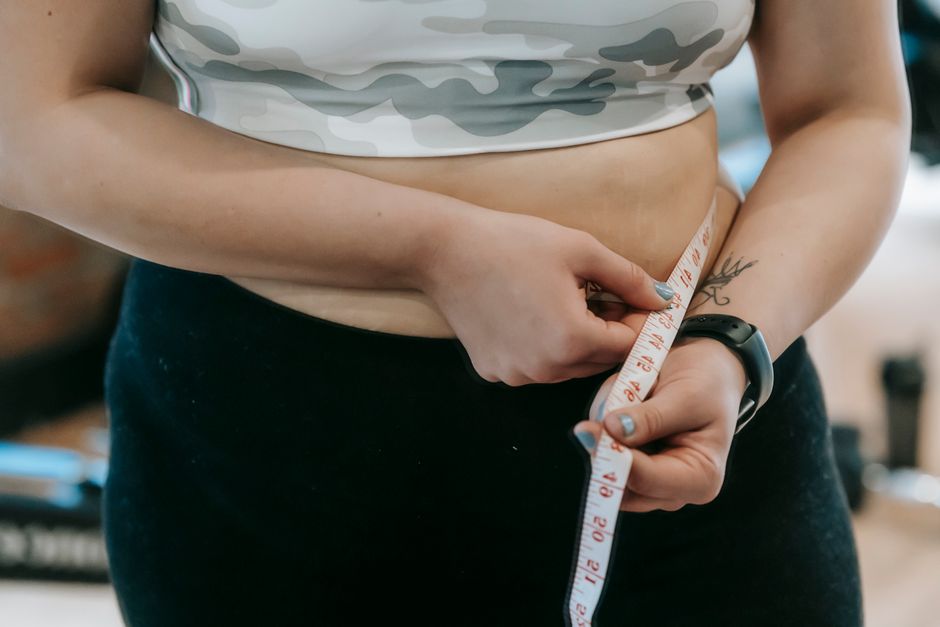
Loose skin after significant weight loss is a common frustration, but the good news is that the skin itself has a remarkable capacity to adapt. The process of tightening tummy skin after weight loss is primarily a matter of time, genetics, and how long the skin was stretched, but specific strategies like strength training and gradual weight loss genuinely influence the outcome. There is no single cream or device that can erase loose skin, but a combination of proven methods can visibly improve it, and for the most severe cases, surgery remains the only definitive option.
Why Does Tummy Skin Stay Loose After Weight Loss?
Your skin is the largest organ in your body, and it is designed to stretch. When you gain weight, the skin expands to accommodate the extra volume. This is possible because of two key proteins: collagen and elastin. Collagen provides structure and firmness, while elastin allows the skin to snap back into place.
When skin is stretched for a long period, especially over many years, these protein fibers can become damaged. Think of a rubber band that has been stretched too far for too long. It loses its ability to retract fully. The same principle applies to your skin.
Several factors determine how well your skin will bounce back after weight loss:
- Age: Younger skin produces collagen and elastin at a faster rate, so it retracts more efficiently.
- Duration of excess weight: Skin stretched for years is less likely to return to its original state than skin stretched for a shorter period.
- Total weight lost: The more weight you lose, the more excess skin you are likely to have. Losing 100 pounds leaves far more slack than losing 20 pounds.
- Genetics: Your genetic makeup influences your skin’s elasticity and how it responds to stretching.
The rate of weight loss also matters. Rapid weight loss, such as after bariatric surgery, gives the skin very little time to adapt. Gradual weight loss of about 1 to 2 pounds per week gives your skin a better chance to keep up with the changing shape of your body.
What Actually Works to Tighten Tummy Skin After Weight Loss?
The most effective non-surgical strategy for tightening tummy skin is building muscle underneath it. Strength training does not directly “tighten” skin, but it fills out the space beneath it. When you build the abdominal muscles, the loose skin has less slack because there is more volume underneath it. This can visibly reduce the appearance of sagging.
Focus on compound exercises that work multiple muscle groups. These are the most efficient for building overall core strength:
- Planks and side planks
- Deadlifts and squats
- Push-ups and pull-ups
- Rows and overhead presses
Cardiovascular exercise is important for overall health and maintaining your new weight, but it will not build the muscle mass needed to fill out loose skin. Strength training is the critical component here.
Hydration also plays a role. Skin that is well-hydrated is more pliable and appears healthier. Drinking adequate water does not reverse skin damage, but it supports the skin’s overall condition. Some research suggests that staying hydrated improves skin elasticity, though the evidence is not definitive for reversing significant looseness.
Do Skin Creams and Lotions Actually Help?
The market is full of creams claiming to tighten loose skin. The honest answer is that no topical cream has been proven to significantly tighten skin that has been stretched by significant weight loss. This is a marketing claim that is not supported by clinical evidence.
Some creams contain ingredients like retinol, which can stimulate collagen production in the upper layers of the skin. This may improve skin texture and fine lines, but it cannot penetrate deeply enough to address the structural damage caused by significant stretching. The effect, if any, is minimal and cosmetic.
Cocoa butter and other moisturizers can improve the appearance of skin by keeping it hydrated, but they do not tighten it. They may reduce the appearance of stretch marks slightly by improving skin tone, but they will not remove excess skin.
Save your money on expensive “tightening” creams. A basic moisturizer is just as effective for the cosmetic benefits that creams can actually provide.





Can Supplements or Diet Speed Up Skin Retraction?
Nutrition plays a supporting role in skin health, but no supplement can reverse loose skin. Your body needs adequate protein to build collagen and repair tissues. After weight loss, ensuring sufficient protein intake is important because your body is in a catabolic state, meaning it is breaking down tissue.
Aim for a balanced diet rich in:
- Protein: Lean meats, fish, eggs, beans, and legumes
- Vitamin C: Essential for collagen synthesis. Found in citrus fruits, berries, and bell peppers.
- Zinc and copper: Trace minerals involved in skin repair. Found in nuts, seeds, and whole grains.
Collagen supplements have become popular for skin health. Some studies suggest they may improve skin elasticity and hydration, but the evidence is mixed and the effect is modest. No clinical guideline currently recommends collagen supplements specifically for tightening loose skin after weight loss. They are not harmful, but they are not a solution.
The most reliable dietary approach is to eat a nutrient-dense diet that supports your skin’s natural repair processes. There is no specific food or supplement that will dramatically tighten loose skin.
Medical and Surgical Options for Loose Tummy Skin
For individuals with significant excess skin, particularly after losing 80 pounds or more, non-surgical methods will not be enough. The skin has been stretched beyond its capacity to retract, and no amount of exercise, cream, or time will change that.
Medical procedures exist to address this, and they range from minimally invasive to surgical:
- Radiofrequency treatments: These devices heat the deeper layers of the skin to stimulate collagen production. Some clinical evidence suggests they can produce a mild tightening effect. Results are subtle and typically require multiple sessions. This is not a substitute for surgery in cases of significant looseness.
- Ultrasound therapy: Similar to radiofrequency, this uses focused ultrasound energy to heat tissue and stimulate collagen. The evidence for its effectiveness is limited, and results vary widely between individuals.
- Abdominoplasty (tummy tuck): This is the only procedure that definitively removes excess skin. A surgeon removes the loose skin and tightens the underlying abdominal muscles. It is a major surgery with a significant recovery period and carries risks including scarring, infection, and blood clots.
Insurance rarely covers tummy tuck surgery because it is considered cosmetic. The decision to pursue surgery is deeply personal and should be made after consulting with a board-certified plastic surgeon. They can assess your specific situation and discuss realistic outcomes.
How Long Does It Take for Skin to Tighten Naturally?
Patience is essential when dealing with loose skin after weight loss. The skin does not retract overnight. The process is gradual and depends on the factors discussed earlier: age, genetics, and the degree of stretching.
Most people see noticeable improvement within 6 to 12 months after reaching their goal weight. The first few months show the most change, and the process continues more slowly after that. If significant improvement has not occurred within 12 to 24 months, the skin is unlikely to tighten much further on its own.
This timeline can be frustrating, but it is important to be realistic. Your body has accomplished something significant by losing weight. The loose skin is a sign of that achievement, not a failure. Focusing on building strength and maintaining your new weight is more productive than obsessing over skin that may or may not fully retract.
Maintaining your weight loss is critical. Losing and regaining weight repeatedly puts more stress on the skin and reduces its ability to recover. Stable weight maintenance gives your skin the best chance to adapt over time.
Practical Daily Habits That Make a Difference
Beyond exercise and nutrition, several daily habits support skin health and appearance. These will not dramatically tighten loose skin, but they contribute to the overall quality of your skin.
- Protect skin from the sun: UV radiation damages collagen and elastin, making loose skin worse. Apply sunscreen to your abdomen if it is exposed.
- Moisturize regularly: Well-hydrated skin appears firmer and healthier. Use a basic moisturizer daily.
- Quit smoking: Smoking accelerates collagen breakdown and impairs skin repair. If you smoke, quitting is one of the best things you can do for your skin.
- Be patient with stretch marks: These are a form of scarring and will fade over time but rarely disappear completely. They are not harmful and do not indicate a problem with your skin.
These habits support skin health but do not replace the structural changes that come from building muscle or the definitive results of surgery.
Frequently Asked Questions
Will loose tummy skin go away on its own?
Some tightening will happen naturally within 6 to 12 months after weight loss, but the extent depends on your age, genetics, and how much weight you lost. Significant excess skin may not fully retract without surgical intervention.
What is the fastest way to tighten loose stomach skin?
Strength training to build abdominal muscle is the fastest non-surgical approach because it fills out the space under the skin. For severe looseness, a tummy tuck is the only definitive and immediate solution.
Does losing weight slowly prevent loose skin?
Gradual weight loss of about 1 to 2 pounds per week gives your skin more time to adapt and may reduce the severity of loose skin. It does not guarantee prevention, especially after large amounts of weight loss.
Are skin tightening creams effective for loose stomach skin?
No clinical evidence confirms that any topical cream can significantly tighten skin stretched by major weight loss. Moisturizers may improve appearance, but they cannot repair structural damage to collagen and elastin.
