
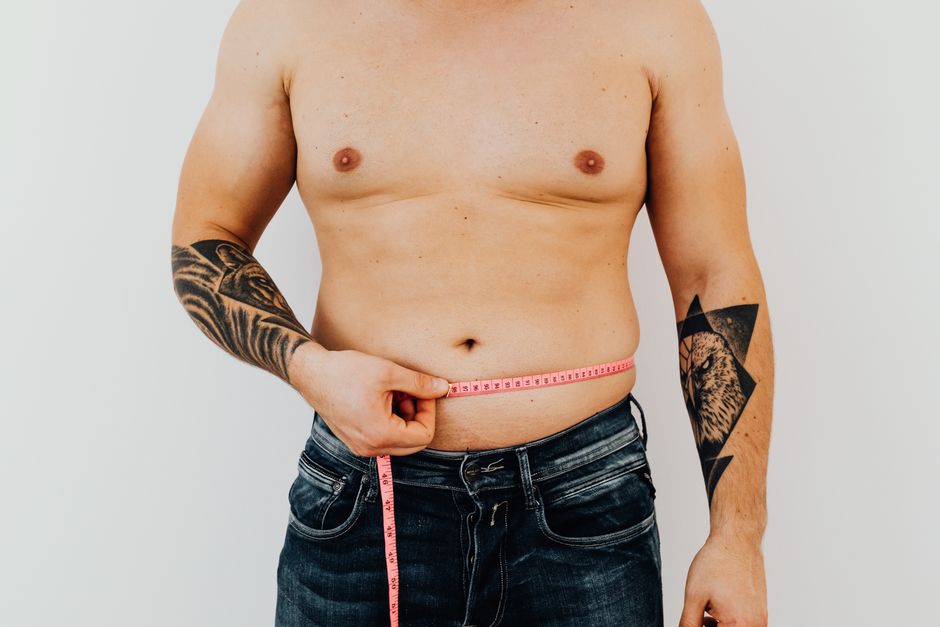
Losing weight can leave you with loose skin, especially if you lose a lot or lose it quickly. Skin has some natural ability to spring back, but that ability drops with age and depends on how much it was stretched. The most reliable things that help are a slow, steady rate of loss, preserving muscle while you lose fat, and giving your skin time. Creams and supplements marketed for tightening have little to no human evidence behind them.
That short answer matters because most people searching this topic are being sold something. The reality is quieter and slower.
Why does skin get loose after weight loss?
Skin is not a rubber band. It is a living tissue with two main layers that matter here. The outer layer, the epidermis, is thin and renews itself constantly. The deeper layer, the dermis, is where the structure lives. It holds collagen and elastin fibers, which give skin its strength and its ability to snap back.
When you gain weight, the skin stretches to cover a larger body. The fibers in the dermis stretch with it. Over time, some of those fibers can be damaged or lose their recoil. When the fat underneath shrinks during weight loss, the skin no longer has the same volume holding it out. Whether it tightens back depends on how much the fibers can recover and how much new collagen the skin can lay down.
Two things drive that recovery. One is genetics and age. The other is how fast and how far the skin was stretched in the first place. Skin that was stretched for years, or stretched a great deal, has a harder time returning. This is why the amount of loose skin after weight loss varies so widely between two people who lost the same number of pounds.
What actually helps tighten skin during weight loss?
The single biggest controllable factor is how fast you lose weight. Rapid loss gives skin less time to adapt. A slower rate gives the dermis more time to remodel and contract around your new shape. This is one reason clinicians who work with people losing large amounts of weight often favor a gradual approach over crash dieting.
Preserving muscle matters too. Muscle sits under the skin and helps fill it out. If you lose a lot of muscle along with fat — which happens on very low-calorie diets without resistance training — the skin has less underneath to support it. Resistance training during weight loss helps you keep muscle, and that in turn helps how your body looks once the fat is gone.
Here is the part many people miss. You cannot tighten skin through diet alone. No food, tea, or supplement has been shown in human trials to rebuild dermal collagen enough to visibly tighten loose skin. Nutrition supports skin health in a general sense, but it does not reverse stretching.
Does exercise tighten loose skin?
Exercise does not directly tighten skin. What it does is change what is under the skin. Building muscle in areas where you have loose skin can make the area look firmer because there is more structure beneath it. That is a real effect, but it is a filling-out effect, not a skin-tightening one.
Strength training is the most useful form of exercise for this. It preserves muscle during a calorie deficit, which is when muscle is most at risk of being lost. Some people also find that filling out the shoulders, chest, or legs improves how loose skin looks in those areas.
Be realistic about the limit. If skin is genuinely loose and hanging, muscle underneath will not pull it tight. It can improve appearance, but it will not restore skin that has lost its elasticity.
-
 How to Tighten Skin After Weight Loss Naturally? A Simple Guide
-
How to Prevent Sagging Skin During Weight Loss? What You Need to Know
-
How to Tighten Loose Skin on Stomach After Weight Loss?
-
Will Loose Skin Tighten After Weight Loss? What to Know
-
LeanBiome Reviews: Legit Weight Loss Probiotic or Overhyped?





Do creams, oils, and supplements work?
No cream has been shown to tighten loose skin after weight loss in reliable human studies. This includes the ones marketed specifically for this purpose. Some contain ingredients that have been studied for other skin concerns, like certain retinoids for fine wrinkles, but that is a different problem from stretched, loose skin after major weight loss.
Moisturizers can make skin feel smoother and look temporarily better hydrated. That is a cosmetic effect on the surface, not a structural change in the dermis. It does not rebuild collagen or restore elasticity.
Collagen supplements are widely sold for skin. The evidence is limited and mixed. Some small studies suggest a possible modest effect on skin hydration and elasticity, but the research is not strong enough to promise visible tightening of loose skin, and no study has shown they reverse loose skin after weight loss. If you want to try one, treat it as unproven rather than a solution.
Be cautious with anything that promises fast results. Skin remodeling, when it happens, takes months, not days.
How long does it take for skin to tighten?
Skin can continue to adapt for a year or more after weight loss stabilizes. This is not a fixed timeline, and it varies enormously from person to person. Younger skin with more elasticity tends to recover more. Older skin, skin stretched for many years, and skin stretched by a large amount of weight tends to recover less.
The honest position is that some improvement over time is common, but how much is hard to predict. Much of the visible change happens in the first year after your weight stabilizes. After that, further natural tightening is usually limited.
This is why patience is not just a platitude here. If you are still actively losing weight, your skin has not had its chance to adapt yet. Judging your final result in the middle of weight loss is premature.
When is loose skin a medical issue, and what are the options?
For most people, loose skin is a cosmetic concern, not a health problem. But it can become a medical issue in some cases. Excess skin folds can trap moisture and lead to skin irritation or fungal infections in the folds. Some people develop rashes or sores. If that happens, it is worth seeing a doctor rather than treating it as purely cosmetic.
When loose skin is significant and does not improve, surgery is the only intervention with strong evidence for removing it. Procedures like abdominoplasty or body lifts remove excess skin and are established surgical options. They are major operations with real risks, including scarring, infection, and the risks of anesthesia and healing. They are not a first step, and they are not right for everyone.
Some clinicians use body contouring procedures for smaller areas. The evidence for non-surgical skin tightening devices is limited, and results are generally modest. These are worth discussing with a qualified professional, but they should not be presented as equivalent to surgery.
- Talk to a doctor if skin folds are irritated, infected, or painful.
- Ask about your personal risk factors before considering any procedure.
- Be wary of any clinic promising dramatic tightening without surgery.
What can you realistically do?
Focus on the factors you can control. Lose weight at a steady pace rather than as fast as possible. Do resistance training to keep muscle. Give your skin time after your weight stabilizes before judging the result. Keep skin moisturized and protect it from sun, since sun damage accelerates the loss of collagen and elastin over time.
Skip the products that promise to tighten skin. The evidence is not there, and the money is better spent elsewhere. If loose skin is bothering you significantly, talk to a doctor about realistic options, including whether you are a candidate for surgery.
The most useful mindset is patience plus honesty. Some skin will tighten on its own. Some will not. Knowing which parts are in your control helps you stop chasing fixes that do not work.
Frequently Asked Questions
Can loose skin tighten on its own after weight loss?
Yes, some skin can tighten on its own, and most natural improvement happens in the first year after your weight stabilizes. How much depends on your age, genetics, and how much the skin was stretched.
Does drinking water or eating collagen help tighten skin?
No reliable evidence shows that water or collagen foods tighten loose skin after weight loss. Staying hydrated supports general skin health, but it does not rebuild stretched dermal fibers.
How can I prevent loose skin while losing weight?
Losing weight at a slower, steady pace and doing resistance training to preserve muscle are the most useful steps. No product has been shown to prevent loose skin during weight loss.
Is surgery the only way to remove loose skin?
Surgery is the only intervention with strong evidence for removing significant loose skin. Non-surgical devices exist but produce modest results, and no cream or supplement has been shown to remove loose skin.
