
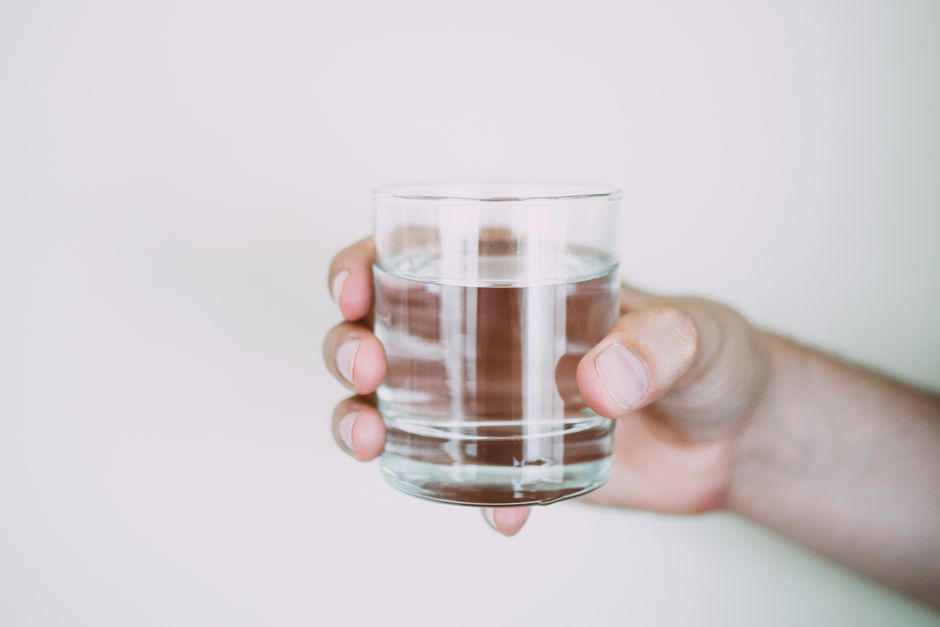
Testing your well water is the only way to know what is actually in it. You cannot see, taste, or smell most contaminants. The process is straightforward: collect a sample correctly, send it to a certified laboratory, and interpret the report against federal safety standards. The entire process, from taking the sample to receiving results, typically takes one to two weeks depending on the lab and the tests you order.
Why You Should Test Your Well Water Regularly
Private wells are not regulated by the Safe Drinking Water Act. That law applies to public water systems. If your water comes from a private well, you are responsible for monitoring its safety.
The Environmental Protection Agency recommends testing your well at least once a year for total coliform bacteria, nitrates, and pH. You should also test for anything specific to your area, such as arsenic, radon, or agricultural chemicals. Testing more often is wise if you notice changes in taste, odor, or color, or if someone in your household is pregnant or has a weakened immune system.
What Contaminants Should You Test For?
The standard annual test covers the basics. Coliform bacteria indicate that surface water may be entering your well. Nitrates come from fertilizers, septic systems, or animal waste. High levels are dangerous for infants under six months old.
Beyond the basics, your location determines what else matters. Arsenic occurs naturally in bedrock in many parts of the country. Radon can enter groundwater from decaying uranium in soil. Lead and copper usually come from plumbing materials, not the aquifer itself.
If you live near farms, consider testing for pesticides or additional nitrates. If you live near an industrial site, test for volatile organic compounds. If you are unsure what to test for, contact your local health department. They know the common problems in your county.
How To Collect A Water Sample Correctly
A bad sample gives you useless results. The lab needs a clean, representative sample. Most labs provide sterile sample bottles and specific instructions. Follow them exactly.
Choose a cold water faucet that does not have a screen or aerator. If it does, remove it first. Let the cold water run for two to three minutes before collecting. This flushes out water that has been sitting in your pipes.
Do not touch the inside of the bottle cap or the bottle rim. Hold the bottle near the base and fill it to the line indicated. Screw the cap on tightly immediately.
Some tests require special handling. For bacterial tests, the sample must be kept cold and delivered to the lab within 24 to 30 hours. For chemical tests, the timeline is more flexible, but you should still follow the lab’s instructions.



How To Test Well Water From Sample To Results: Choosing A Lab
You need a state-certified laboratory. Certification means the lab meets quality standards and uses approved testing methods. Your state health department or environmental agency maintains a list of certified labs.
Do not use home test strips for your annual check. They can give false reassurance. Strips have limited accuracy and sensitivity. They may detect a problem, but they cannot prove the absence of one.
When you contact a lab, ask what their standard well water package includes. Many labs offer a basic package covering bacteria, nitrates, pH, and total dissolved solids. You can add individual tests for arsenic, lead, or other contaminants.
Expect to pay anywhere from $30 for a basic bacteria test to several hundred dollars for a comprehensive panel. The cost depends on the number of contaminants you test for and the lab you choose.
How To Interpret Your Water Test Report
Your lab report will list each contaminant, the level detected, and a comparison to a standard. For most contaminants, the comparison is the EPA Maximum Contaminant Level, or MCL. These are enforceable limits for public water systems. For private wells, they serve as health-based guidelines.
If the report shows no detectable levels, your water meets the standard for those contaminants. If a level is above the MCL, you have a problem that requires action.
Some results need context. A nitrate level below 10 mg/L is safe for everyone, including infants. Above that level, the water is not safe for infants to drink. Arsenic has no safe level, but the EPA standard is 10 parts per billion. Even levels below that carry some long-term risk, which is why regular testing matters.
Total dissolved solids, or TDS, is not a health concern at typical levels. It affects taste and can indicate hard water. High TDS may leave scale on plumbing and affect the efficiency of water heaters.
What To Do If Your Test Shows Contamination
Do not panic. Many contamination problems have straightforward fixes. The right solution depends on the contaminant and how high the level is.
For bacterial contamination, shock chlorination is often the first step. This involves adding a high concentration of chlorine to the well and letting it sit for 12 to 24 hours. Then you flush the system and retest. If bacteria return, you may have a structural problem with the well, such as a cracked casing or an unsealed cap.
For chemical contaminants, a point-of-use treatment system is common. Reverse osmosis systems effectively remove arsenic, nitrates, and many other chemicals. Distillation also works for many contaminants. Activated carbon filters remove some organic chemicals and improve taste.
Match the treatment to the contaminant. No single filter removes everything. Before buying any treatment system, know exactly what you are trying to remove and check that the system is certified for that specific contaminant.
If contamination is severe or you cannot identify the source, consult a licensed well contractor or your local health department. They can inspect your well and recommend solutions.
How Often Should You Retest?
Test annually for bacteria and nitrates. That is the minimum. If you have a treatment system, test the treated water at least once a year to confirm the system is working.
Retest after any major event. Flooding can introduce surface water into your well. Earthquakes can shift underground formations. Any repair to the well itself warrants a retest.
If you installed a new treatment system, test both the raw well water and the treated water. This confirms the system removes what it should and gives you a baseline for future comparisons.
Keep all your test reports. They establish a history of your water quality. If a problem appears later, you have a record of when it started.
Frequently Asked Questions
How long does it take to get well water test results?
Most labs return results within 5 to 10 business days after receiving your sample.
Bacterial tests are often faster than chemical analyses, but the full turnaround depends on the lab’s workload.
Can I test my well water myself with a home kit?
Home test strips can detect some problems but are not accurate enough to confirm water safety.
Use a state-certified laboratory for any test that affects health decisions.
What is the most important test for well water?
Total coliform bacteria is the most critical annual test because it indicates whether surface contamination is entering your well.
Nitrates are equally important, especially if infants or pregnant women drink the water.
Do I need to test well water if it tastes fine?
Yes. Most dangerous contaminants have no taste, smell, or color.
The only way to know your water is safe is to test it.
