
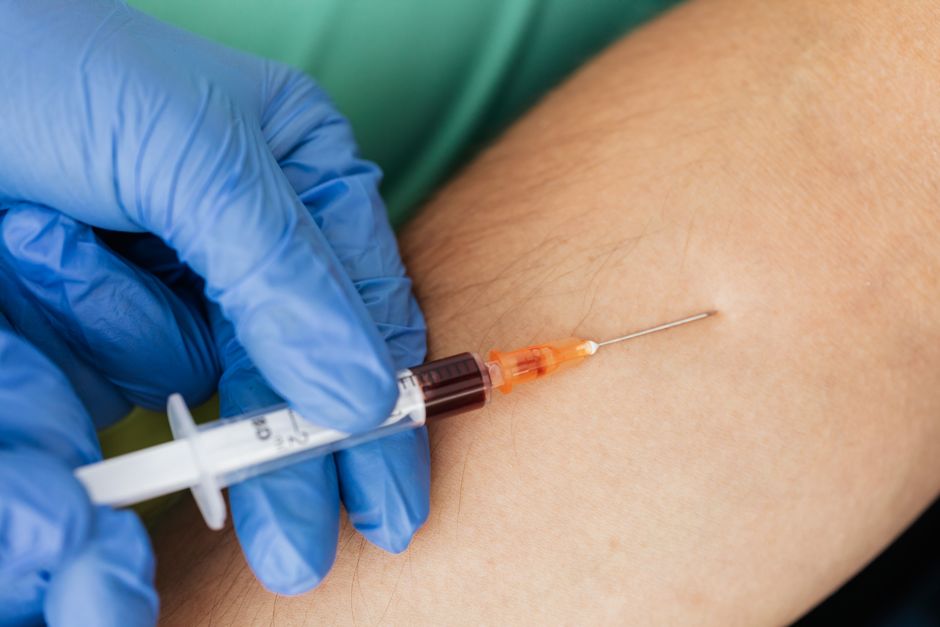
Testing for rabies in humans is not a simple blood draw. The only test that can confirm rabies after symptoms appear requires a sample of skin from the back of the neck, plus saliva and serum samples. These tests are performed only at specialized public health laboratories, and results can take 24 to 72 hours. If a doctor suspects rabies, treatment begins immediately, before test results come back, because waiting can be fatal.
Why Is Rabies Testing in Humans So Unusual?
Rabies is a viral infection that attacks the central nervous system. Once symptoms appear, the disease is almost always fatal. This is why testing is handled differently than for most infections.
Before symptoms start, there is no reliable test to tell if a person has been infected. The virus travels slowly along nerves toward the brain, and for weeks or months it stays below the threshold that any current test can detect. During this incubation period, doctors rely on the circumstances of the exposure, not a lab test, to decide if treatment is needed.
Testing only becomes useful once the virus has reached the skin and saliva, which happens late in the incubation period. At that point, the disease is already underway, and the priority shifts from diagnosis to emergency treatment.
What Tests Are Used to Confirm Rabies?
The standard diagnostic approach uses three sample types collected at the same time. These are the tests recommended by public health authorities worldwide.
- Skin biopsy: A small sample of skin is taken from the nape of the neck, where hair follicles are dense. The rabies virus accumulates in nerves around these follicles. The sample is examined for viral genetic material.
- Saliva sample: Saliva is collected and tested for the presence of the virus. The virus can be shed in saliva during the late stages of infection.
- Serum and spinal fluid samples: Blood serum and cerebrospinal fluid are tested for antibodies the body has produced against the virus. Antibodies appear only after the infection has progressed significantly.
These tests are performed using a technique called RT-PCR, which detects the virus’s genetic material, or through antibody testing. No single test is perfect on its own, which is why all three samples are collected together.
Testing is conducted only at designated public health laboratories. Standard hospital labs do not have the equipment or safety protocols to handle live rabies virus samples.
When Would a Doctor Order Rabies Testing?
A doctor orders rabies testing when a person has symptoms consistent with rabies and a history of possible exposure. Symptoms typically begin with fever, headache, and a tingling or burning sensation at the wound site. As the disease progresses, confusion, agitation, and difficulty swallowing appear.
Testing is also considered when a person has been bitten by an animal that cannot be found and tested. If a bat is found in a room with a sleeping person, or near a child or someone who cannot report a bite, testing may be ordered as a precaution.
Rabies testing is not ordered for routine animal bites. If the animal is available for observation or testing, the animal is tested instead. A healthy dog or cat that can be observed for 10 days will show signs of rabies within that period if it is infected. If the animal remains healthy, no human testing is needed.




What Happens While Waiting for Rabies Test Results?
Treatment starts immediately when rabies is suspected. Doctors do not wait for laboratory confirmation because the disease progresses quickly and is nearly always fatal once symptoms begin.
The treatment is called post-exposure prophylaxis, or PEP. It consists of a dose of rabies immune globulin, which provides immediate antibodies, followed by a series of rabies vaccines given over two weeks. This treatment is highly effective when started soon after exposure, before symptoms appear.
If a person already has symptoms, PEP is no longer effective. In that situation, care focuses on comfort and supportive measures. Rabies with symptoms has a survival rate of less than 1 percent, with only a handful of documented survivors worldwide.
Can a Blood Test Detect Rabies Before Symptoms?
No. There is no blood test that can reliably detect rabies during the incubation period, which can last from weeks to over a year. The virus is present in such low amounts that standard tests cannot find it.
Some research has explored whether antibodies appear early in infection, but findings have been inconsistent. Current guidelines do not recommend blood testing for early diagnosis. The decision to start PEP is based entirely on the exposure history and the rabies risk in the area.
Public health authorities emphasize that PEP is safe and effective, and the risks of the vaccine are far lower than the risks of untreated rabies. This is why doctors err on the side of treating when exposure is uncertain.
How Is Rabies in Animals Tested?
When an animal is available, testing the animal is the fastest way to determine if a person needs treatment. The standard test examines brain tissue from the animal, which means the animal must be euthanized.
The direct fluorescent antibody test is the gold standard for animal testing. A sample of brain tissue is stained with a fluorescent dye that binds to rabies virus proteins. If the virus is present, it glows under a microscope. Results are available within hours.
This test is highly accurate. A negative result from a properly collected brain sample means the animal did not have rabies, and exposed humans do not need PEP. This is why public health officials strongly encourage testing the animal whenever possible.
What Should You Do After a Potential Rabies Exposure?
Immediate action after a bite or other exposure can prevent the need for extensive testing later. The first step is to wash the wound thoroughly with soap and water for at least 15 minutes. This simple step significantly reduces the amount of virus at the wound site.
Seek medical care right away, even for minor bites. A doctor will assess the risk based on the animal type, the location of the bite, and whether the animal can be observed or tested. Bites on the head, neck, or hands are considered higher risk because the virus reaches the brain faster.
If the animal is a stray or wild animal, do not attempt to capture it yourself. Contact local animal control. Do not release a bat that was found indoors, as it may need to be tested.
Rabies is preventable when PEP is given promptly. The key is acting quickly and letting medical professionals determine the level of risk.
Are There Home Tests for Rabies?
No home tests for rabies exist. Any product claiming to test for rabies at home is not legitimate. Rabies testing requires specialized laboratory equipment, trained personnel, and strict biosafety protocols.
Online sources may describe at-home sample collection kits, but these are not approved or available. Rabies testing is governed by public health regulations, and samples must be handled by designated laboratories. Attempting to test at home is unsafe and provides no useful information.
If you suspect rabies exposure, the only appropriate response is to seek medical care. Do not rely on any test or product purchased online.
Frequently Asked Questions
How long does rabies testing take in humans?
Results typically take 24 to 72 hours after the laboratory receives the samples. Treatment begins before results are available because rabies progresses quickly.
Can rabies be detected in blood?
Rabies can sometimes be detected in blood serum late in the infection, but not during the incubation period. Blood tests are not used for early diagnosis.
Is rabies testing painful?
The skin biopsy involves a small punch sample from the back of the neck and may cause minor discomfort. Saliva and blood collection are routine and painless.
Do I need rabies testing after a dog bite?
Not necessarily. If the dog is healthy and can be observed for 10 days, no testing is needed. Testing is reserved for cases where the animal cannot be observed or tested.
