
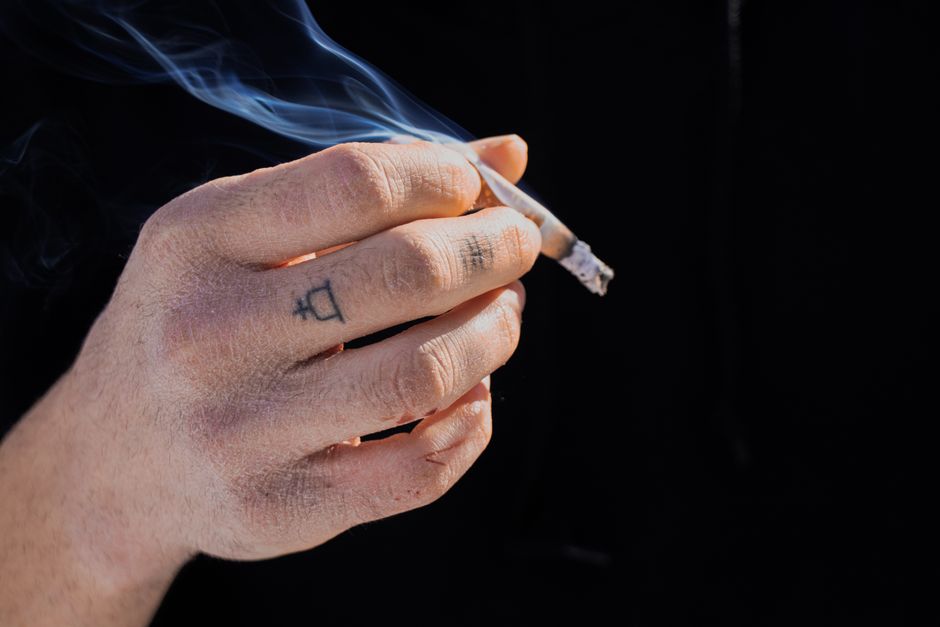
Passing a nicotine saliva test comes down to one simple fact: nicotine and its main breakdown product, cotinine, show up in saliva quickly and stay there for days. If you have used nicotine recently, the test will likely detect it. The only guaranteed way to pass is to stop using nicotine long enough for your body to clear it completely. The time required varies from person to person, but most tests look for cotinine, which can remain detectable in saliva for up to four days after your last use, and sometimes longer with heavy use.
How Does a Nicotine Saliva Test Work?
A nicotine saliva test looks for two main substances: nicotine itself and cotinine. Cotinine is what your liver produces when it breaks down nicotine. Most tests focus on cotinine because it stays in your system much longer than nicotine does.
Nicotine has a short half-life in the body. It drops quickly after you stop using it. Cotinine, however, lingers. The test uses a small swab placed inside your cheek to collect saliva. The swab is then analyzed for the presence of these chemicals.
Saliva testing is common because it is non-invasive and hard to fake. Unlike urine tests, which can sometimes be diluted or manipulated, saliva samples are collected under direct observation. This makes them a preferred choice for employers, insurance companies, and medical programs that need reliable results.
How Long Does Nicotine Stay in Your Saliva?
Cotinine can be detected in saliva for up to four days after your last nicotine use. This is the standard window most sources cite. For people who use nicotine heavily or daily, the window can extend beyond that.
Several factors influence how long nicotine and cotinine remain detectable:
- Frequency of use: Daily users have more built-up cotinine than occasional users.
- Metabolism: Faster metabolisms clear nicotine more quickly.
- Age: Younger people tend to metabolize nicotine faster than older adults.
- Hydration: Well-hydrated individuals may clear nicotine slightly faster, though this is not a reliable strategy.
- Liver function: Your liver does the work of breaking nicotine down into cotinine.
Blood tests can detect cotinine for up to 10 days. Urine tests can detect it for up to three weeks. Saliva tests fall in the middle, with detection windows typically lasting one to four days.
How To Pass A Nicotine Saliva Test Successfully: The Only Reliable Method
The only reliable way to pass a nicotine saliva test is to stop using nicotine long enough for your body to clear it. There is no shortcut that changes the science of how your body processes nicotine.
For most people, this means abstaining for at least three to four days before the test. If you are a heavy user, allow more time. Some experts suggest five to seven days to be safe, especially if you have used nicotine daily for months or years.
Your body eliminates about half of the nicotine in your system every two hours after your last use. But cotinine, the substance the test actually detects, takes much longer to clear. Cotinine has a half-life of roughly 16 to 20 hours in most people. This means after two days, about one-quarter of the original cotinine remains. After four days, only a small fraction is left.
Testing thresholds matter. Different tests use different cutoff levels. A test with a lower cutoff will detect smaller amounts of cotinine. You cannot know which cutoff your test uses, so you must assume the most sensitive test possible.
Do Home Remedies or Detox Products Work?
No reliable evidence shows that detox drinks, herbal supplements, or mouthwashes can remove cotinine from saliva. These products are widely sold online and in smoke shops, but no clinical study confirms they work.
Some products claim to mask nicotine or flush it from your system. These claims are not supported by published research. Cotinine is a chemical produced inside your body, not something sitting on the surface of your mouth. Rinsing, brushing, or using mouthwash does not remove it from your saliva glands.
Vinegar, lemon juice, and other acidic substances are sometimes suggested as home remedies. These do not work. They may temporarily change the pH of your saliva, but they do not reduce cotinine levels. Some tests can be affected by extreme pH changes, but this is more likely to flag your sample as invalid, not negative.
Be cautious with any product promising a guaranteed pass. If a product worked reliably, it would be widely documented in medical literature. It is not.
What About Nicotine-Free Vapes or Gum?
Nicotine-free products will not cause a positive test because they contain no nicotine. However, you must be certain the product is truly nicotine-free. Some products labeled as nicotine-free have been found to contain trace amounts.
Nicotine replacement therapy, such as gum, lozenges, or patches, contains nicotine. Using these products will cause a positive test. If you are being tested as part of a smoking cessation program, your provider may expect to see nicotine in your system. That is different from a workplace test where any nicotine use is disqualifying.
If you have been using nicotine replacement therapy and need to pass a test, you face the same timeline as someone who smokes. The nicotine from gum or patches enters your body and produces cotinine just like cigarette smoke does.
What Can You Do in the Days Before the Test?
Stopping nicotine use is the first step. There are a few practical things you can do to support your body’s natural clearance process, though none of them guarantee a negative result.
Hydrate well. Water supports normal kidney and liver function. This is not a detox trick. It simply helps your body work as efficiently as it can.
Exercise regularly. Physical activity increases blood flow and may support metabolic function. Some research suggests that exercise can slightly speed up nicotine metabolism, but the effect is modest and not enough to rely on.
Eat a balanced diet. Your liver needs adequate nutrition to process chemicals effectively. There is no specific food that removes cotinine, but overall health supports faster clearance.
Avoid secondhand smoke. Exposure to secondhand smoke can introduce nicotine into your system. This is a real risk. Some people have tested positive after significant exposure to secondhand smoke, though this is less common than direct use.
None of these steps will make you pass a test if you used nicotine recently. They only support your body’s natural processes.
What If You Have a Test Tomorrow?
If your test is within 24 hours and you used nicotine today, your chances of passing are low. Nicotine and cotinine will still be present in your saliva at detectable levels.
There is no emergency method that removes cotinine from saliva in hours. Some people try aggressive mouth rinsing or chewing gum to stimulate saliva production. This does not lower cotinine levels. It may actually increase saliva flow, but the cotinine concentration in that saliva will still be measurable.
Your options in this situation are limited. You can be honest about your recent use. You can ask to reschedule the test. Or you can take the test and accept the likely outcome. Attempting to tamper with a sample is not advisable. Most collection procedures are designed to detect tampering, and a failed attempt can have worse consequences than a positive result.
How Long Should You Abstain Before a Test?
For light users, three days of abstinence is the minimum recommended window. For daily users, five to seven days is a safer target. If you have used nicotine heavily for a long time, allow at least a week.
These timelines are based on the known half-life of cotinine and standard detection windows. They are not guarantees. Individual metabolism varies. A person with a fast metabolism may clear cotinine faster. A person with a slower metabolism, or with liver issues, may take longer.
If you have the option to delay your test, use that time to abstain completely. The longer you go without nicotine, the lower your cotinine levels will be.
Does Secondhand Smoke Affect Saliva Tests?
Secondhand smoke exposure can produce detectable cotinine in saliva, but the levels are typically much lower than those from direct use. Most workplace tests use cutoff levels designed to distinguish between the two.
Heavy, prolonged exposure to secondhand smoke in enclosed spaces could potentially push your levels above a low cutoff. This is rare but possible. If you are in a situation where you must pass a test, avoid environments where people are smoking.
Vaping around others can also expose you to nicotine. The aerosol from e-cigarettes contains nicotine, and being in a room where someone is vaping heavily can introduce measurable amounts into your system.
Frequently Asked Questions
Can I pass a nicotine saliva test in 24 hours?
No, not if you have used nicotine recently. Cotinine remains detectable in saliva for up to four days after last use.
Does drinking water help you pass a nicotine saliva test?
Staying hydrated supports normal body function, but water does not remove cotinine from saliva. It is not a reliable way to pass a test.
Do detox drinks work for nicotine saliva tests?
No clinical evidence confirms that detox drinks remove cotinine from saliva. These products are not supported by published research.
How long does cotinine stay in saliva?
Cotinine can be detected in saliva for up to four days after your last nicotine use, sometimes longer for heavy users.
