
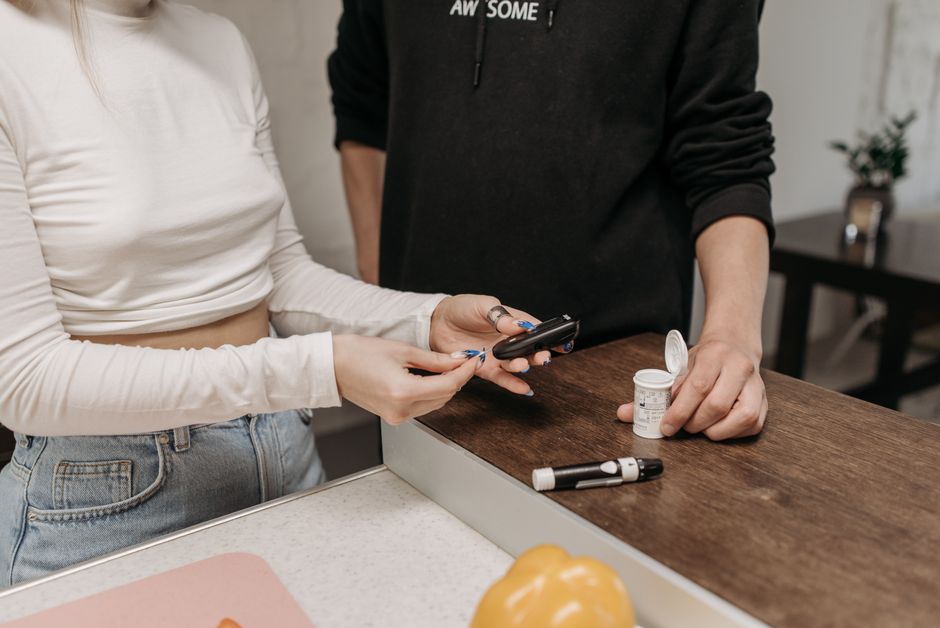
Testing at the right time matters more than most people think. Test too early and you get a false negative. Test too late and you may miss a window for treatment or prevention. The exact timing depends on what you are testing for, but the general rule is simple: wait until your body has had enough time to show a measurable response. For most tests, that means days to weeks after exposure or symptom onset, not hours.
When Can You Take A Test After Exposure?
The answer depends entirely on what you were exposed to. A pregnancy test and a COVID test work on completely different timelines because they detect different substances in your body.
For infectious diseases, your body needs time to produce detectable levels of the virus or antibodies. This period is called the window period. During the window period, you can be infected but still test negative. That negative result does not mean you are safe — it means the test cannot detect the infection yet.
For example, HIV tests have a window period of 10 to 33 days depending on the type of test. A rapid antigen test for strep throat can be positive within days of symptoms starting. COVID tests work best 3 to 5 days after exposure. The common thread is that timing is not flexible. Testing outside the recommended window gives you unreliable results.
Pregnancy Tests: How Early Is Too Early?
Home pregnancy tests detect human chorionic gonadotropin (hCG), a hormone your body only produces after a fertilized egg implants in the uterus. Implantation usually happens 6 to 10 days after ovulation. Before implantation, there is no hCG in your system, and no test can detect a pregnancy that has not implanted yet.
Most home pregnancy tests claim to detect pregnancy 5 days before your missed period. That claim is technically true for some tests, but it comes with a catch. At that point, hCG levels are very low. A test taken too early can easily miss them, especially if you ovulated later than you thought.
The most reliable approach is to wait until the first day of your missed period. If you want to be extra certain, wait one week after your missed period. At that point, hCG levels are high enough that almost any test will give an accurate result. Testing before your missed period risks a false negative, which can be confusing and stressful.
If you get a negative result but still have no period, wait 3 to 5 days and test again. hCG levels double roughly every 48 to 72 hours in early pregnancy, so a few days can make a significant difference.
COVID-19 Tests: When Do They Work Best?
COVID tests fall into two categories: rapid antigen tests and PCR tests. They detect different things and work on different timelines.
Rapid antigen tests detect proteins from the virus. They work best when your viral load is highest, which is usually 3 to 5 days after exposure or 1 to 2 days before symptoms start. Testing on day 1 or 2 after exposure often produces a false negative because there is not enough virus in your nose yet.
PCR tests detect genetic material from the virus. They are more sensitive and can detect the virus earlier, sometimes as soon as 1 to 2 days after exposure. However, PCR tests can also stay positive for weeks after you are no longer contagious, because they detect leftover viral fragments.
If you have symptoms, test right away. A positive antigen test is reliable. A negative antigen test with symptoms should be repeated 48 hours later, according to most public health guidance. If you were exposed but have no symptoms, wait at least 3 days before testing. Testing immediately after exposure almost guarantees a false negative.




STI Tests: Window Periods Vary by Infection
Sexually transmitted infections each have their own window period. There is no single “one size fits all” timeline for STI testing.
Chlamydia and gonorrhea can be detected 1 to 2 weeks after exposure. Urine tests and swabs are reliable at that point. Syphilis takes longer. The body needs 3 to 6 weeks to produce detectable antibodies, and some tests require up to 12 weeks for a conclusive result.
HIV is the most timing-sensitive STI test. Nucleic acid tests (NAT) can detect the virus 10 to 33 days after exposure. Antigen/antibody tests done in a lab are reliable 18 to 45 days after exposure. Rapid at-home HIV tests detect antibodies only, which can take 23 to 90 days to appear. If you are testing after a recent exposure, ask which type of test you are getting and when it becomes accurate.
Herpes testing is more complicated. Blood tests detect antibodies, which can take 2 to 12 weeks to develop. A swab test of an active sore is accurate immediately, but only while the sore is present. Many clinicians do not recommend routine herpes blood testing because false positives are possible and the results may not change treatment.
Urinary Tract Infections: Test at First Symptoms
UTI testing is different from most other tests. You do not need to wait for a window period. If you have symptoms — burning with urination, frequent urination, pelvic pain — a urine test can be done immediately.
A urinalysis looks for white blood cells, red blood cells, and bacteria in your urine. A urine culture takes 24 to 48 hours to grow bacteria and identify the specific type. Both tests are accurate at the onset of symptoms. Waiting to test will not improve accuracy, and it can allow the infection to spread to your kidneys.
If your symptoms started suddenly and you suspect a UTI, test as soon as you can. Delaying treatment increases the risk of complications.
Blood Tests: Fasting and Timing Requirements
Some blood tests require specific timing for accurate results. Fasting blood glucose and lipid panels require 8 to 12 hours without food. Water is allowed, but coffee, juice, and other beverages can affect results.
Hormone tests have their own timing rules. Cortisol levels peak in the morning and drop throughout the day. Thyroid tests can be done any time but should be done at the same time of day for consistent comparison. Progesterone testing for ovulation tracking is typically done 7 days after suspected ovulation, which is usually day 21 of a 28-day cycle.
If you are unsure whether your test requires fasting or specific timing, ask your doctor before the appointment. Showing up without proper preparation can invalidate your results and require a repeat test.
Food Allergy Tests: No Fast Track
Food allergy testing is not something you can do immediately after a reaction. Blood tests measure IgE antibodies, which take time to develop. Skin prick tests require you to be off antihistamines for several days before testing.
If you experience a severe allergic reaction, seek emergency care immediately. Allergy testing is not an emergency procedure. It is a diagnostic process that happens after the acute reaction is resolved. Your doctor will decide when testing is appropriate based on your symptoms and history.
One important note: at-home food sensitivity tests are not the same as allergy tests. Many of these tests measure IgG antibodies, which are not a reliable indicator of food allergy. The evidence does not support their use for diagnosing food allergies or intolerances.
How Long Should You Wait After Symptoms Start?
Symptom onset changes the testing timeline. For many infections, symptoms appear before the test can detect them. For others, symptoms appear after the test would already be positive.
For respiratory infections like flu and RSV, testing is most accurate within the first 3 to 4 days of symptoms. After that, viral load drops and false negatives become more common. For bacterial infections like strep throat, rapid tests work best at symptom onset and remain reliable for several days.
For conditions like Lyme disease, early testing is often negative. The body takes 2 to 6 weeks to produce detectable antibodies. Testing too early after a tick bite can miss the infection entirely, even if you have symptoms.
The general rule is this: if you have symptoms, test as soon as possible unless your doctor tells you otherwise. If you were exposed but have no symptoms, wait the recommended window period for that specific test.
Frequently Asked Questions
How many days after exposure should I test for COVID?
Wait at least 3 days after exposure before testing. Testing at day 3 to 5 after exposure gives the most accurate result for both rapid antigen and PCR tests.
Can a pregnancy test be negative and still be positive later?
Yes. Testing too early can produce a false negative because hCG levels are still too low to detect. Wait 3 to 5 days and test again if your period does not start.
How long after unprotected sex should I test for STIs?
It depends on the infection. Chlamydia and gonorrhea can be detected at 1 to 2 weeks, while HIV and syphilis may require 4 to 12 weeks for a conclusive result.
Do I need to fast before a blood test?
Only for certain tests. Fasting blood glucose and lipid panels require 8 to 12 hours without food. Most other blood tests do not require fasting.
Testing is a tool, and like any tool, it works best when used correctly. The right time to test depends on what you are testing for, how your body responds, and what kind of test you are using. When in doubt, ask your doctor. A quick question about timing can save you from a false negative and a wasted trip to the clinic.
