
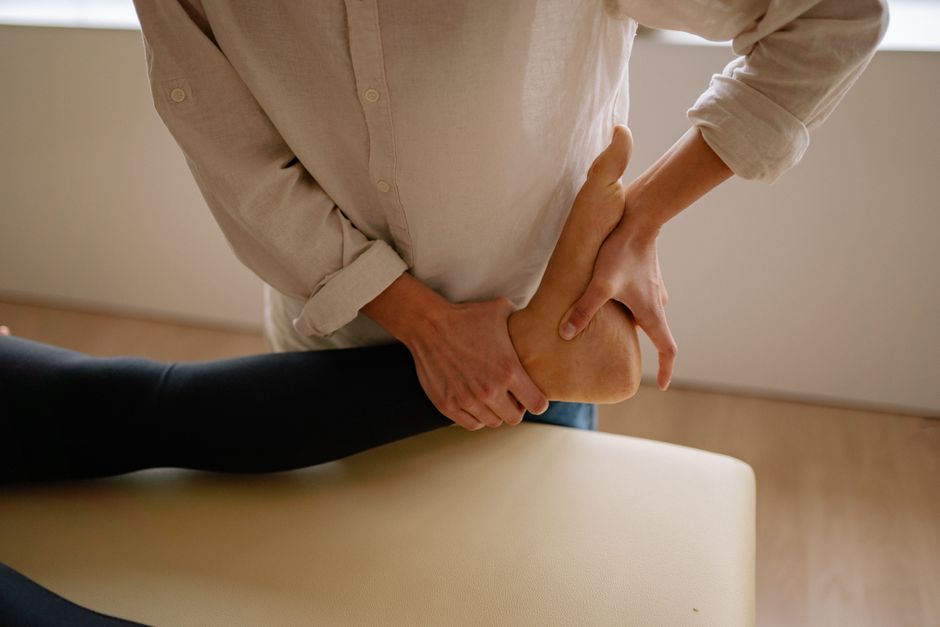
Poor circulation is not one single condition. It is a symptom of something else going on in your body. Testing for it means looking at blood flow, checking for underlying causes, and ruling out more serious problems. The best way to test for poor circulation is to see a doctor who can perform a physical exam and order specific vascular tests that measure blood flow directly.
What Are the First Signs of Poor Circulation?
Before testing, it helps to know what you are looking for. The most common symptoms appear in the hands and feet because these are the farthest points from your heart. If blood has trouble getting there, these areas feel it first.
Common signs include cold fingers and toes, numbness, tingling, and a pale or bluish tint to the skin. Some people notice their legs feel heavy or cramp after walking a short distance. This is called claudication. Swelling in the feet or ankles can also point to circulation problems, though this often relates to venous issues rather than arterial ones.
These symptoms do not automatically mean you have poor circulation. Cold hands can be normal in cold weather. Tingling can come from nerve issues. A doctor needs to sort out whether your symptoms come from blood flow problems or something else entirely.
How To Test For Poor Circulation at Home
You can do a few simple checks at home, but they are not diagnostic. They give you information to bring to a doctor, not a verdict.
The capillary refill test is one common check. Press firmly on your thumbnail or toenail for about five seconds until it turns white. Release and count how many seconds it takes for the color to return. Normal refill time is under two seconds. If it takes longer than three seconds, reduced blood flow to that area may be present.
Another check involves raising your legs. Lie flat and raise your legs to about 60 degrees for one minute. If the soles of your feet turn pale, that can indicate reduced arterial flow. Then sit up and dangle your legs over the edge of the bed. If your feet turn deep red or purple, this also suggests blood flow issues. These are known as elevation pallor and dependent rubor.
Skin temperature matters too. If one foot is consistently colder than the other, that asymmetry is worth mentioning to your doctor. The same goes for hair loss on the legs or shiny, tight skin. These changes can reflect reduced blood supply over time.
Do not rely on these home tests alone. They can miss problems and they can also create false alarms. They are screening tools, not medical tests.
What Tests Do Doctors Use?
Doctors have several reliable tests for circulation. The one they choose depends on your symptoms and what they suspect is wrong.
The ankle-brachial index is the most common first test for peripheral artery disease. It compares blood pressure in your ankle to blood pressure in your arm. A nurse or doctor measures blood pressure at both sites using a Doppler device. They divide the ankle pressure by the arm pressure to get a ratio. A normal ratio is between 1.0 and 1.4. A ratio below 0.9 suggests narrowed arteries in the legs. This test is painless, quick, and widely available.
A Doppler ultrasound is another standard test. It uses sound waves to create images of blood flowing through your veins and arteries. It can show where a blockage is and how severe it is. This test is also painless and does not use radiation.
For deeper questions, doctors may order an angiogram. This involves injecting contrast dye into your blood vessels and taking X-ray images. It gives the most detailed picture of your arteries. Because it is invasive, doctors usually reserve it for people who are likely to need treatment.


When Should You See a Doctor?
Some symptoms demand prompt medical attention. Do not wait to see if they pass on their own.
Seek medical care if you have pain in your leg that does not go away, especially if the leg looks pale or feels cold. Seek urgent care if your foot or leg becomes suddenly painful, pale, cold, or numb. This can signal a sudden blockage, which is a medical emergency.
Also see a doctor if you have sores on your feet or legs that heal slowly or do not heal at all. Poor circulation delays healing because blood carries the oxygen and nutrients tissues need to repair themselves. A non-healing wound on the foot is a serious warning sign.
People with diabetes should be especially attentive. Diabetes damages blood vessels over time, and it also reduces sensation in the feet. You may not feel a developing problem. Regular foot checks by a healthcare professional are part of standard diabetes care.
What Conditions Cause Poor Circulation?
Testing for poor circulation is really testing for the condition causing it. The most common cause is peripheral artery disease, where fatty deposits build up inside artery walls and narrow them. This is the same process that causes heart attacks and strokes, just happening in the legs.
Other causes include diabetes, which damages blood vessel walls over time. High blood pressure makes arteries stiff and less flexible. High cholesterol contributes to plaque buildup. Smoking is one of the strongest risk factors because it damages the inner lining of blood vessels and makes blood more likely to clot.
Blood clots can also cause circulation problems. Deep vein thrombosis occurs when a clot forms in a deep vein, usually in the leg. This blocks blood returning to the heart and causes swelling, pain, and redness. This is different from arterial disease and requires different treatment.
Raynaud’s syndrome is a separate condition that causes small blood vessels in the fingers and toes to overreact to cold or stress. They spasm and narrow, cutting off blood flow temporarily. Fingers turn white, then blue, then red as blood returns. Raynaud’s is not dangerous in most cases, but it can be uncomfortable.
Can You Improve Circulation?
Yes, in many cases. But the right approach depends on what is causing the problem.
Walking is one of the most effective ways to improve leg circulation. In people with peripheral artery disease, a structured walking program can actually help build new small blood vessels around blockages. This is a well-established finding. The key is consistency. Walking several times per week, even if you have to stop due to pain, produces real improvement over time.
Quitting smoking makes an immediate difference. Smoking constricts blood vessels and damages their walls. Within weeks of quitting, blood flow improves. This is one of the most powerful changes you can make.
Managing blood pressure, blood sugar, and cholesterol all protect your blood vessels from further damage. These are long-term strategies that slow disease progression. They do not reverse existing blockages.
Compression stockings help with venous circulation problems, like varicose veins or chronic venous insufficiency. They squeeze the legs and help veins push blood back toward the heart. They do not help with arterial disease and can actually make it worse, so they should only be used when a doctor confirms the problem is venous.
What Does the Evidence Not Support?
The internet is full of circulation claims that do not hold up to scrutiny. Be skeptical of products that promise to “detoxify” your blood or “cleanse” your arteries. No evidence supports these claims.
Supplements marketed for circulation are largely unproven. Some small studies suggest certain compounds may have mild effects on blood vessel function, but no supplement has been shown to reverse arterial blockages or cure circulation disorders. If a product sounds too simple to fix a complex medical problem, it probably is not working.
Saunas and hot baths can feel good and temporarily increase blood flow to the skin. They do not treat the underlying causes of poor circulation. The same goes for massage. It feels pleasant and may temporarily boost local blood flow, but it does not address narrowed arteries or damaged vessels.
Frequently Asked Questions
Can I check my circulation at home?
You can do simple checks like the capillary refill test or leg elevation test, but these are not diagnostic. Only medical tests performed by a doctor can confirm whether you have a circulation problem.
What is the most accurate test for poor circulation?
An angiogram provides the most detailed images of blood vessels, but it is invasive. The ankle-brachial index is the standard first test for peripheral artery disease because it is accurate, painless, and non-invasive.
How long does a circulation test take?
An ankle-brachial index takes about 15 minutes. A Doppler ultrasound takes 30 to 60 minutes depending on how many areas are examined. Both are done in an outpatient setting with no recovery time.
Is poor circulation an emergency?
Usually not, but sudden severe pain, pallor, or numbness in a limb is an emergency. This can signal a sudden blockage that requires immediate medical treatment to save the limb.
