
A lie detector test, formally called a polygraph examination, measures physical changes in your body while you answer questions. Setting one up is not like setting up a home security camera. It requires specific equipment, a controlled environment, and a trained examiner to produce results that hold any meaning at all. The core components are a polygraph instrument, a quiet room, and a certified examiner who follows a strict protocol. Without all three, the test results are not valid for any serious purpose.
What Equipment Is Needed for a Polygraph Test?
The polygraph instrument itself does not detect lies. It records physiological data. The standard machine tracks three main channels: breathing patterns, cardiovascular activity, and sweat gland activity.
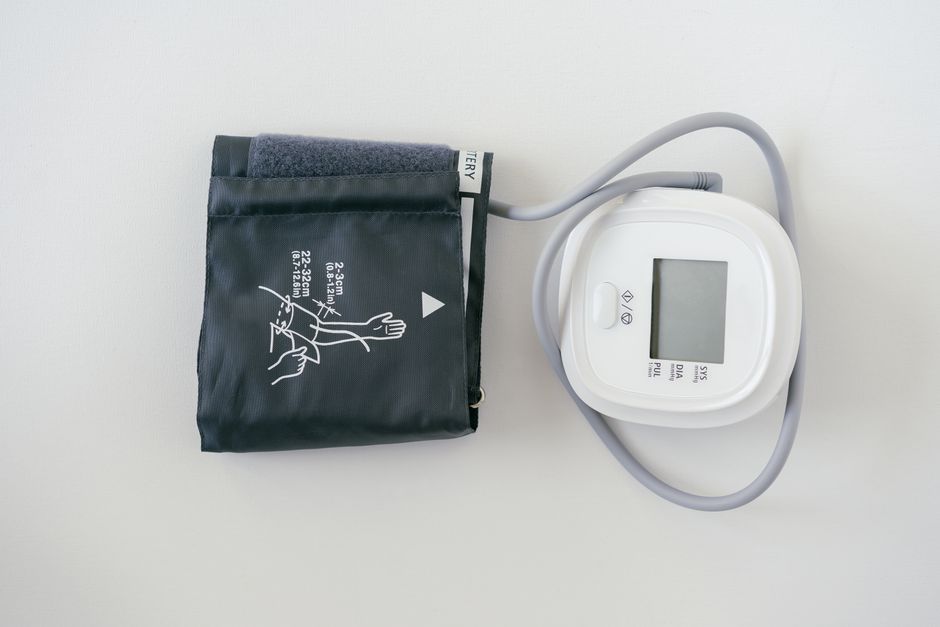
Pneumograph tubes are placed around the chest and abdomen to measure respiratory rate and depth. A blood pressure cuff, similar to the one in a doctor’s office, measures heart rate and blood pressure changes. Galvanic skin response sensors attach to the fingertips to measure sweat gland activity, which increases during stress.
Modern polygraphs are digital. They connect to a laptop with specialized software that displays the data in real time. The examiner watches these waveforms during the test and analyzes them afterward. The equipment itself is not a truth machine. It is a recorder of stress responses.
What Kind of Room Is Required?
The testing environment must be controlled. The room should be quiet, private, and free from distractions. There should be no phones, no windows with passing traffic, and no interruptions. The goal is to minimize external stimuli that could affect the physiological readings.
Comfort matters too. The person being tested sits in a chair with armrests. The room temperature should be moderate. Extreme cold or heat can change heart rate and sweating, which would contaminate the data. Most professional examiners use a dedicated room designed specifically for this purpose.
The examiner sits across from the subject, usually at a desk with the polygraph equipment. The subject should be able to see the examiner but should not be able to see the computer screen or the waveforms being recorded.
How To Set Up a Lie Detector Polygraph Test: The Pre-Test Phase
The setup process goes far beyond plugging in equipment. The pre-test interview is the most important part of the procedure. This is where the examiner explains the test, reviews the questions, and establishes a baseline.
The examiner and the subject discuss the exact questions that will be asked. This is not a surprise quiz. The subject knows every question in advance. This step is critical because the test measures physiological reactions to specific questions, not general anxiety about being tested.
During this phase, the examiner also conducts a pre-test interview to assess the subject’s physical and mental state. Health conditions, medications, and even caffeine intake can affect the results. The examiner notes these factors before the test begins.
A practice test, or stimulation test, typically follows. The examiner asks the subject to deliberately lie about something trivial, like picking a number from a set. This demonstrates how the equipment responds to deception and helps calibrate the baseline.



How the Actual Test Is Conducted
The examiner attaches the sensors and begins the questioning. The test consists of a series of questions repeated in a specific order. Common question types include irrelevant questions, control questions, and relevant questions.
Irrelevant questions are neutral, like “Is today Tuesday?” They establish a normal physiological baseline. Control questions are designed to produce a mild stress response, such as “Have you ever told a lie to get out of trouble?” Relevant questions target the issue under investigation.
The examiner asks the same set of questions multiple times. The entire process takes about 10 to 15 minutes of active questioning, though the full session including the pre-test interview lasts one to two hours.
During the test, the subject must sit still. Movement affects the sensors. The examiner instructs the subject to answer only “yes” or “no” and to avoid unnecessary body movements.
What Happens After the Test?
After the questioning ends, the examiner analyzes the recorded waveforms. The analysis compares physiological responses to control questions versus relevant questions. A stronger response to a relevant question suggests deception, while a similar response to both suggests truthfulness.
The examiner then produces a report. This report includes the charts, the analysis, and a conclusion. Conclusions are typically classified as “no deception indicated,” “deception indicated,” or “inconclusive.”
It is important to understand that the polygraph does not detect lies directly. It detects physiological arousal patterns that correlate with deception in many people. The interpretation relies heavily on the examiner’s training and judgment.
Are Polygraph Results Admissible in Court?
The legal status of polygraph tests is specific and often misunderstood. In most US courts, polygraph results are not admissible as evidence. The Supreme Court and many state courts have ruled that polygraph evidence is not reliable enough for criminal trials.
There are exceptions. Some states allow polygraph results if both parties agree. Some courts use them in post-conviction proceedings, such as parole hearings. But for the most part, a polygraph test cannot be used to prove guilt or innocence in a courtroom.
However, polygraphs are widely used outside the courtroom. Law enforcement agencies use them in job applicant screening and during investigations. Federal agencies like the FBI and CIA require polygraph tests for certain positions. Private employers sometimes use them in security-sensitive roles, though the Employee Polygraph Protection Act restricts most private-sector use.
How Accurate Are Polygraph Tests?
Accuracy claims vary widely depending on who is making them. The American Psychological Association notes that most psychologists agree there is little evidence that polygraph tests are highly accurate. Some research suggests accuracy rates around 80 to 90 percent in controlled studies, but real-world conditions are different.
The problem is that the test measures stress, not truth. A truthful person can be anxious about being falsely accused, producing a deceptive reading. A practiced liar can remain calm and produce a truthful reading. People with certain personality disorders, particularly psychopathy, may show reduced physiological responses to deception.
Countermeasures exist. People can train themselves to suppress physiological responses or to amplify responses to control questions. This is why the examiner’s skill in interpreting the data matters as much as the equipment itself.
The National Academy of Sciences reviewed the scientific evidence on polygraph testing and concluded that the accuracy is “unclear” and that the evidence base is weak. The review noted that polygraphs may have some utility in specific contexts but are not sufficiently reliable for general screening purposes.
Frequently Asked Questions
How long does it take to set up a polygraph test?
A full polygraph session takes one to two hours. The setup of the equipment takes only a few minutes, but the pre-test interview and question review take the most time.
Can you fail a polygraph test by being nervous?
Yes, anxiety can cause physiological responses that look like deception. This is why examiners use control questions to establish a personal baseline before evaluating relevant questions.
Can medications affect polygraph results?
Yes, certain medications can affect heart rate, blood pressure, and sweating. The examiner must be informed of all medications before the test to account for their effects on the readings.
Is a polygraph test admissible in court?
Generally no, polygraph results are not admissible in most US courts. Some states allow them by mutual agreement, and they are sometimes used in non-criminal proceedings like parole hearings.
