
Kidney stones are common, and the pain they cause can be severe enough to send anyone to the emergency room. If you are experiencing symptoms, the fastest and most accurate way to diagnose a stone is with a CT scan. However, urine tests, blood tests, and ultrasounds all play specific roles in the process. Understanding which test is used when can help you know what to expect and why your doctor orders specific exams.
What Is the Best Test for a Kidney Stone?
For most people with sudden, severe flank pain, a non-contrast CT scan is the gold standard. This is often called a “stone protocol” CT. It is the most sensitive imaging test available for detecting kidney stones, including very small ones that other tests might miss.
A CT scan creates detailed cross-sectional images of your kidneys, ureters, and bladder. It can identify the exact size, shape, and location of a stone. This information is critical because it helps your doctor predict whether the stone will pass on its own or if you need a procedure to remove it.
The main downside of a CT scan is radiation exposure. For this reason, doctors may choose an ultrasound first for certain patients, particularly pregnant women and children. An ultrasound is safe and uses no radiation, but it is less sensitive and can miss small stones.
How Does a Urine Test Help Diagnose Kidney Stones?
A urine test cannot confirm that you have a kidney stone. No urine test can do that. What a urine test does is provide supporting evidence and rule out other conditions.
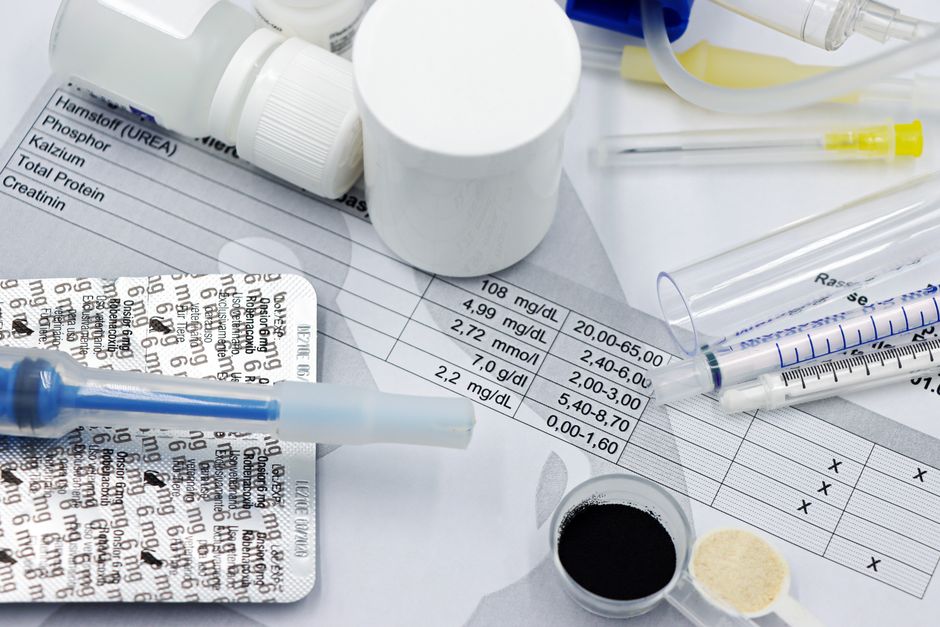
When a stone is present, it often causes microscopic or visible blood in the urine. A urinalysis can detect this. The presence of red blood cells in the urine, along with your symptoms, makes a kidney stone highly likely. The same urine sample can also be checked for signs of infection, which is important because an infection can complicate a stone.
Urine tests are also used after a stone has passed or been removed. This is called a 24-hour urine collection. You collect all your urine over a full day, and the lab measures the levels of calcium, oxalate, uric acid, and citrate. These results help your doctor figure out why you form stones and how to prevent new ones.
What Happens During a CT Scan for Kidney Stones?
The test is quick and painless. You lie on a table that slides through a large, donut-shaped machine. You do not need to drink contrast dye for a standard stone protocol CT. This is a major advantage because it means no needles and no wait time for the dye to circulate.
Because no contrast is used, the test can be done immediately, even in the emergency room. The scan itself takes only a few minutes. You will be asked to hold your breath for a few seconds while the images are taken.
You should tell your doctor if you are pregnant or think you might be. While a single CT scan is low risk, it does expose you to radiation, and alternatives like ultrasound are generally preferred during pregnancy.



When Is an Ultrasound the Right Choice?
An ultrasound is often the first imaging test in specific situations. It is the preferred initial test for pregnant women and children because it carries no radiation risk. Some doctors also recommend it for people who need repeated imaging, since radiation exposure adds up over time.
Ultrasound works by bouncing sound waves off your organs to create an image. It can detect a stone in the kidney or at the junction where the ureter meets the bladder. However, it struggles to see stones in the middle portion of the ureter, which sits behind the bowel. In those cases, the ultrasound may look normal even when a stone is present.
If an ultrasound does not find a stone but your symptoms strongly suggest one, your doctor will likely order a CT scan. Research shows that using ultrasound first can reduce radiation exposure without significantly affecting patient outcomes. For some patients, this is the safest and most practical path.
What Does a Blood Test Show?
Blood tests do not detect a stone directly, but they provide essential information about your overall health. They are almost always part of the initial evaluation.
A blood test can check your kidney function by measuring creatinine and blood urea nitrogen. This matters because a large stone can block the flow of urine and cause kidney damage. A blood test can also reveal elevated calcium or uric acid levels, both of which increase your risk of forming stones. A complete blood count can show signs of infection, such as an elevated white blood cell count.
Blood tests alone cannot diagnose a stone. They are used alongside imaging and urine tests to build a complete picture.
How To Test For Kidney Stones Ct Urine More
To test for kidney stones, doctors typically combine a CT scan with a urine test and a blood test. The CT scan provides the definitive diagnosis. The urine test checks for blood and infection. The blood test evaluates kidney function and looks for underlying metabolic causes.
If you pass a stone, you should save it. Your doctor can send it to a lab for analysis. Knowing the chemical composition of your stone—whether it is calcium oxalate, uric acid, or another type—guides treatment and prevention strategies.
After an initial diagnosis, your doctor may order a 24-hour urine test. This test looks at your urine chemistry over a full day and is the most important tool for preventing future stones. It is not used for diagnosis. It is used for prevention.
What Do the Results Mean?
If your CT scan shows a stone, the report will typically include its size and location. This information determines the next step. Small stones, generally under 5 millimeters, often pass on their own with pain medication and increased fluid intake. Larger stones are more likely to require intervention.
If your urine test shows blood but no stone is found on imaging, your doctor will consider other causes. These can include a urinary tract infection, a kidney disease, or in rare cases, a tumor. Further testing may be needed.
If your blood test shows abnormal kidney function, that is a sign the stone may be causing a blockage. This is a medical emergency that requires prompt treatment, often with a stent to relieve the obstruction.
How Can You Prevent Future Kidney Stones?
Prevention depends on why you form stones. The most universally recommended step is to drink enough water to produce clear or light-yellow urine throughout the day. This dilutes the substances in urine that form crystals.
Your diet matters, but the specific advice depends on your stone type. For calcium oxalate stones, the most common type, some evidence suggests getting enough dietary calcium actually reduces risk. This is the opposite of what many people assume. Limiting sodium and animal protein may also help.
For uric acid stones, reducing animal protein and sometimes taking medication to alkalinize the urine can be effective. Your doctor may prescribe a medication such as potassium citrate based on your 24-hour urine results.
No single diet works for everyone. The 24-hour urine test is the key to personalized prevention. Without it, you are guessing.
When Should You Seek Immediate Care?
Kidney stone pain is often severe, but the pain alone is not usually dangerous. The danger comes from complications. You should seek emergency care if you have a fever and chills, which can indicate an infected stone. You should also seek care if you cannot keep fluids down due to vomiting, or if you stop producing urine entirely.
These signs suggest a blocked kidney or a spreading infection. Both are serious and require urgent treatment. Do not wait to see if they resolve on their own.
Frequently Asked Questions
Can a urine test alone diagnose a kidney stone?
No. A urine test can show blood or infection, but only imaging can confirm a stone is present.
Is a CT scan always needed for kidney stones?
Not always. Ultrasound is often used first in pregnant women and children. A CT scan is the most accurate test and is used when ultrasound is inconclusive or symptoms are severe.
How long does a kidney stone CT scan take?
The scan itself takes only a few minutes. The entire visit, including preparation and waiting, usually takes less than 30 minutes.
What should I do if I pass a kidney stone?
Save the stone and bring it to your doctor. Lab analysis of the stone helps determine its type and guides prevention strategies.
