
Testosterone is not a fixed number. It rises and falls throughout the day, and it responds to sleep, stress, food, alcohol, and body fat. That means you can nudge it downward in the short term without drugs or surgery. This article explains how to temporarily lower testosterone naturally, what the research actually shows about each method, and where the evidence runs thin.
How To Temporarily Lower Testosterone Naturally
The most reliable natural levers are sleep restriction, high-intensity exercise, calorie restriction, alcohol, and certain dietary patterns. Each works through a different pathway, and each has real limits.
Testosterone production is controlled by the hypothalamic-pituitary-gonadal axis. The hypothalamus signals the pituitary, which signals the testes to make testosterone. Anything that disrupts that chain — poor sleep, chronic stress, low energy availability — can lower output.
Sleep deprivation is one of the better-documented levers. Research published in JAMA found that restricting young men to five hours of sleep per night for one week reduced daytime testosterone levels by 10 to 15 percent. That is a meaningful drop from sleep alone.
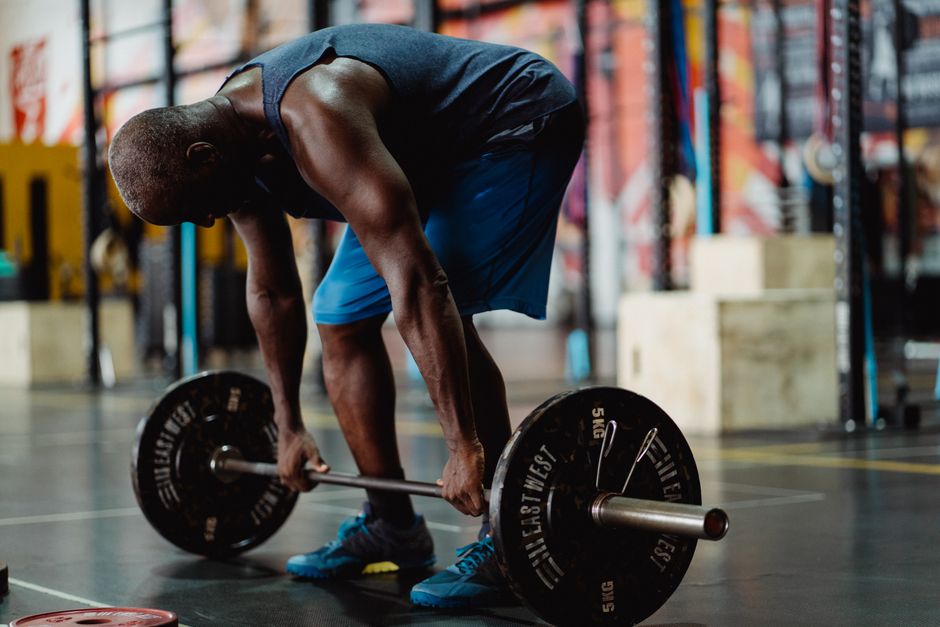
Intense endurance exercise can lower testosterone temporarily. Long bouts of strenuous training increase cortisol, which suppresses the hormonal signals driving testosterone production. The effect is usually short-lived and reverses with rest.
Calorie restriction lowers testosterone when intake drops far enough. A study in the Journal of Clinical Endocrinology & Metabolism found that severe energy restriction reduced testosterone in healthy men. The effect depends on how much you cut and for how long.
Alcohol has a direct effect on testosterone. Even moderate drinking can lower levels for hours afterward, partly by affecting the liver and partly by disrupting sleep quality.
Diet composition matters too. Very low-fat diets have been linked to lower testosterone in some studies, though results vary. High sugar intake and low protein intake may also play a role.
None of these methods is a switch. They shift a dial, and the shift reverses when the trigger stops.
Does Sleep Deprivation Lower Testosterone?
Yes. Sleep is one of the strongest natural influences on testosterone, and the effect shows up fast.
Most testosterone is released during sleep, particularly during REM stages. When sleep is cut short or fragmented, that release is blunted. The JAMA study found that just one week of five-hour nights dropped testosterone by 10 to 15 percent in healthy young men. The effect was large enough that researchers compared it to aging a decade.
The mechanism involves the pituitary. Poor sleep raises evening cortisol and disrupts the normal pulsatile release of gonadotropin-releasing hormone. Less GnRH means less luteinizing hormone, which means less testosterone from the testes.
Shift work and sleep apnea show similar patterns. Men with untreated sleep apnea often have lower testosterone, and treating the apnea can raise it back.
If you want to lower testosterone temporarily, short sleep is one of the most effective natural tools. It is also one of the least pleasant, and chronic sleep loss carries its own health costs.
Can Exercise Lower Testosterone Short Term?
Yes, but the type and duration matter. Short, moderate exercise generally does not lower testosterone. Long, intense sessions can.
Endurance athletes often show lower resting testosterone than sedentary men. This is sometimes called exercise-induced hypogonadism, though the term is debated. The drop appears tied to energy deficit and elevated cortisol rather than exercise alone.
Resistance training usually raises testosterone acutely, at least briefly. So lifting weights is not a good tool for lowering it.
What does work:
- Prolonged endurance sessions lasting more than 90 minutes
- Training in a calorie deficit
- Very high training volume without adequate recovery
- Overtraining syndrome, which suppresses the whole hormonal axis
The effect is temporary. Testosterone usually returns to baseline within days to weeks once training load drops and energy intake normalizes.
One clarification worth making: the acute spike in testosterone after a workout does not translate into long-term muscle gain. The chronic hormonal environment matters more than any single session. The same logic applies in reverse — a single hard workout will not meaningfully lower your testosterone for long.



Does Diet Affect Testosterone Levels?
Diet affects testosterone, but the effects are smaller and slower than sleep or exercise.
Calorie restriction is the clearest dietary lever. When energy intake drops below what the body needs, the reproductive axis dials down. This is well documented in both men and women. A study in the Journal of Clinical Endocrinology & Metabolism found that severe restriction lowered testosterone in healthy men.
Very low-fat diets have been linked to lower testosterone in some studies. Fat is needed for steroid hormone production, and diets below roughly 20 percent of calories from fat may reduce levels. The evidence is mixed, and not all studies agree.
High sugar intake may lower testosterone. Some research links sugary drinks to lower levels, possibly through insulin resistance. The findings are not consistent across all studies.
Alcohol lowers testosterone acutely. A single drinking session can reduce levels for hours. Chronic heavy drinking suppresses the axis more persistently.
What does not reliably lower testosterone:
- Soy foods, in most studies of men
- Moderate coffee intake
- Normal protein intake
The soy question comes up often. Most clinical trials in men have not found that soy foods lower testosterone. A few studies show small changes, but the overall picture does not support soy as a reliable tool.
What About Stress, Weight, and Alcohol?
These three factors often work together, and each can pull testosterone down.
Stress raises cortisol. Cortisol and testosterone share a precursor, and chronic stress shifts production toward cortisol. The effect is real but usually modest in the short term. Severe or prolonged stress can suppress the axis more deeply.
Body fat has a complex relationship with testosterone. Higher body fat is generally linked to lower testosterone, not higher, because fat tissue converts testosterone to estradiol. Losing weight often raises testosterone. Gaining fat is not a reliable way to lower it.
Alcohol lowers testosterone in the short term. It also disrupts sleep, which compounds the effect. The drop is usually temporary and reverses with abstinence.
If you are trying to lower testosterone temporarily, these factors can help — but they are not precise tools. They shift levels by small amounts and come with other health effects.
How Long Do These Effects Last?
Most natural testosterone changes are temporary. Levels typically return to baseline once the trigger stops.
Sleep restriction: levels recover within a few nights of normal sleep.
Exercise: recovery takes days to a few weeks, depending on how depleted you were.
Calorie restriction: testosterone returns as intake normalizes, though full recovery may take longer after prolonged deficits.
Alcohol: acute effects wear off within hours to a day.
Chronic suppression is different. Long-term energy deficiency, untreated sleep apnea, or ongoing heavy drinking can suppress testosterone for as long as the trigger continues. In those cases, the drop is not temporary — it lasts until the underlying issue is addressed.
This matters because the question asks about temporary lowering. If your goal is short-term, the methods above work. If the effect persists, something else is driving it.
When Should You Talk to a Doctor?
Talk to a doctor if you have symptoms of low testosterone that persist — fatigue, low libido, mood changes, or loss of muscle mass — especially if you did not intend to lower your levels.
Low testosterone can also signal an underlying condition. Pituitary problems, thyroid disease, and sleep apnea can all suppress testosterone. These need medical evaluation, not lifestyle tweaks.
If you are deliberately trying to lower testosterone for a medical reason, that is a conversation to have with a clinician. Some health conditions are treated with medications that suppress testosterone, and those decisions need medical oversight.
Do not use the methods in this article to self-treat a hormonal condition. They are not precise, and the underlying cause matters more than the number.
Frequently Asked Questions
Can I lower my testosterone naturally in one day?
You can lower it somewhat within a day by sleeping poorly, drinking alcohol, or doing a long intense workout. The drop is usually small and reverses within hours to days.
Does lack of sleep lower testosterone?
Yes. Research published in JAMA found that one week of five-hour sleep nights reduced daytime testosterone by 10 to 15 percent in healthy young men. The effect reverses with normal sleep.
Does soy lower testosterone in men?
Most clinical trials have not found that soy foods lower testosterone in men. A few studies show small changes, but the overall evidence does not support soy as a reliable way to lower levels.
How long does it take for testosterone to return to normal?
It depends on the cause. Sleep-related drops recover within a few nights, exercise-related drops within days to weeks, and calorie-restriction effects as intake normalizes.
