
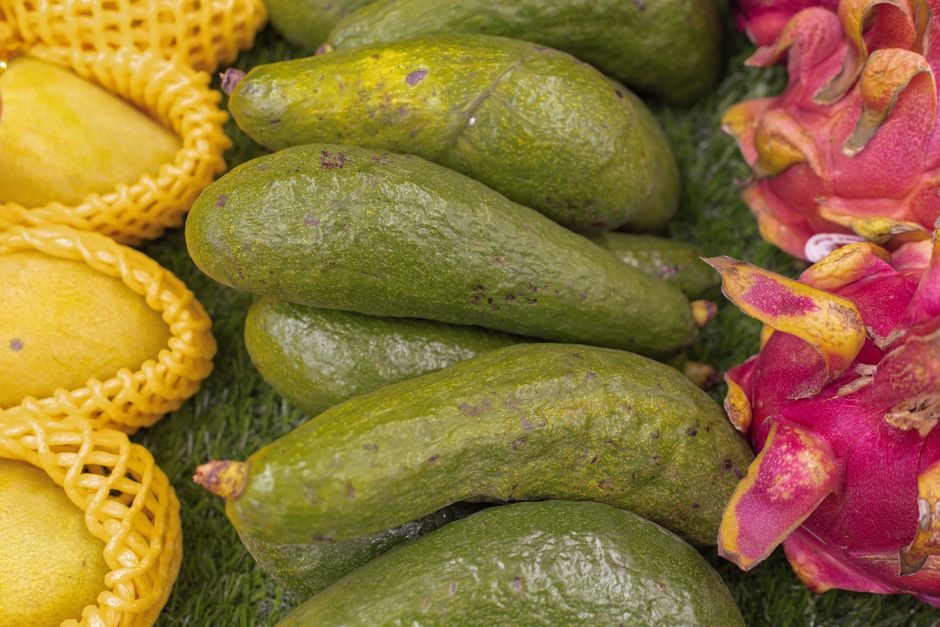
You squeeze an avocado at the store and it feels soft, so you buy it. You cut it open at home and find brown streaks inside. Everyone has been there. The squeeze test alone is not enough. Ripe avocados give you several clear signals, and once you know what to look for, you can pick a good one almost every time. The most reliable method combines gentle pressure with a check of the stem and the skin color. A ripe avocado yields to firm, gentle pressure without feeling mushy, and the small stem cap at the top comes off easily to reveal green underneath.
How To Tell When Avocado Ripe: The Pressure Test Done Right
The pressure test is the most common method, but most people do it wrong. You are not looking for a soft fruit. You are looking for a fruit that gives slightly under pressure and then springs back.
Hold the avocado in the palm of your hand. Use your whole hand, not just your thumb. Press gently but firmly. A ripe avocado will yield slightly to this pressure, similar to pressing on the palm of your hand near your thumb. If it feels rock hard, it is not ripe. If it feels mushy or the skin indents and stays indented, it is overripe.
An underripe avocado feels like a baseball. An overripe avocado feels like a water balloon that is about to burst. The ripe avocado sits between these two extremes. This test works best on Hass avocados, which are the most common variety in US grocery stores.
What Does a Ripe Avocado Look Like on the Outside?
Skin color matters, but it is not the final word. Hass avocados change color as they ripen. They start bright green and gradually turn dark green, then nearly black or dark purple. A dark, almost black skin usually means the avocado is close to ripe or already ripe.
Color alone can mislead you. Some avocados turn dark before they are fully ripe inside. Others stay lighter green even when ready to eat. This happens more often with varieties like Fuerte or Bacon avocados, which stay green when ripe. For Hass avocados, dark skin is a useful signal but should not be your only check.
Look at the surface texture too. A ripe avocado often has slightly bumpy, pebbly skin. As it ripens, the skin may look slightly wrinkled or dimpled, especially near the stem. Smooth, shiny skin usually means the avocado is underripe.
The Stem Test: The Most Reliable Ripe Check
The stem test gives you the clearest answer. Find the small brown stem at the top of the avocado. Flick it off with your thumb or gently twist it. What you see underneath tells you the ripeness.
If the stem comes off easily and the flesh underneath is green, the avocado is ripe. If the stem comes off easily but the flesh underneath is brown, the avocado is overripe. If the stem does not come off at all, the avocado is not ripe yet.
This test works because the avocado ripens from the inside out. The flesh near the stem is the last part to ripen. When that area is ready, the whole avocado is ready. A green spot under the stem means the entire fruit is at its peak. Brown under the stem means the ripening process has gone too far.
One caution: this test leaves a small mark where the stem was. If you are buying several avocados and plan to use them within a day or two, this is not a problem. If you are buying for someone else or plan to store them longer, this small opening can let air in and speed up browning.





How to Ripen an Avocado Faster at Home
If you bought an avocado that is still hard, you can ripen it at home. Avocados ripen at room temperature. Place the avocado on your counter, away from direct sunlight, and check it daily with the pressure test. Most avocados need one to three days to ripen at room temperature, depending on how hard they were when you bought them.
To speed things up, place the avocado in a brown paper bag with an apple or banana. These fruits release ethylene gas, a natural plant hormone that triggers ripening. The bag traps the gas around the avocado, which can shorten ripening time to one to two days. Do not use a plastic bag. Plastic traps moisture and can cause the avocado to rot before it ripens evenly.
Do not put an unripe avocado in the refrigerator. Cold temperatures stop the ripening process. Once an avocado is ripe, however, the refrigerator is the right place. A ripe avocado will keep for two to three days in the fridge. You can also store cut avocado in the fridge with the pit left in and a squeeze of lemon or lime juice on the exposed flesh to slow browning.
What Does an Overripe Avocado Look Like Inside?
An overripe avocado is not always ruined. It depends on how far past ripe it has gone. Cut it open and look at the flesh. Small brown spots or thin brown lines running through the flesh mean the avocado is past its peak but still usable. Cut away the brown parts and eat the rest. The flavor may be slightly off but it is generally safe to eat.
If the flesh is mushy, stringy, or has a fermented smell, throw it away. Dark, extensive browning throughout the flesh, mold, or an unpleasant odor are signs of spoilage. Do not eat an avocado that smells sour or alcoholic. That smell means fermentation has started.
Brown streaks inside an avocado can also come from bruising. Avocados that were dropped or handled roughly during shipping develop brown spots. A bruised avocado may look fine on the outside but have brown patches inside. This is not a safety issue. The bruised flesh is safe to eat but may taste bitter. Cut away the brown areas.
How to Store Avocados at Different Ripeness Stages
Storage depends entirely on where the avocado is in the ripening process. An unripe avocado stays hard on the counter. Do not refrigerate it until it has softened. A ripe avocado goes in the fridge to pause further ripening. It will stay at peak ripeness for two to three days.
For cut avocado, the goal is to limit oxygen exposure. Oxygen causes the flesh to brown through an enzymatic reaction. The pit helps because it blocks oxygen from reaching the flesh directly beneath it, but the pit only protects the small area it touches. A squeeze of citrus juice adds vitamin C, which slows the browning enzyme. Plastic wrap pressed directly against the cut surface also helps by removing trapped air.
You can freeze avocado, but the texture will change. Freezing damages the cell walls, so thawed avocado becomes watery and mushy. Frozen avocado works well in smoothies, guacamole, or soups where texture matters less. It does not work well for slicing or salads. To freeze, mash the avocado with a little lemon juice and store it in an airtight container for up to three months.
Why Avocados Ripen Unevenly
Avocados do not all ripen at the same rate, even when they come from the same store display. Each fruit ripens independently based on when it was harvested and how it was handled. Commercial avocados are often picked hard and treated with ethylene gas to trigger ripening during shipping. This process does not always work evenly across every fruit in a batch.
The stem area is the last part to soften. This is why the pressure test near the stem can mislead you. Pressing the middle of the avocado tells you about the middle of the fruit. Pressing near the stem tells you about the last part to ripen. For the most accurate read, press near the stem end and compare that to the middle. If both give slightly, the avocado is ready.
Some stores sell avocados that were picked too early. These avocados may never ripen properly. They will soften slightly but stay rubbery or develop an off flavor. If an avocado remains hard for more than a week at room temperature, it was likely picked too early and will not improve.
Frequently Asked Questions
Can you eat an avocado that is still hard?
Yes, but it will not taste good. Hard avocados are bitter and have a firm, unpleasant texture. Wait one to three days at room temperature until it softens.
How long does it take for an avocado to ripen on the counter?
Most avocados ripen in one to three days at room temperature. Putting them in a paper bag with an apple or banana can speed this up to one to two days.
Is it safe to eat an avocado with brown strings inside?
Yes, brown strings are usually safe to eat but may taste bitter. Cut away heavily browned areas. Throw out the avocado if the flesh is mushy, smells sour, or has visible mold.
What is the best way to store a cut avocado?
Leave the pit in, brush the cut surfaces with lemon or lime juice, and wrap tightly in plastic wrap before refrigerating. Use it within one to two days for the best quality.
