
PMS and early pregnancy can feel almost identical. Both are driven by shifting hormones, and both can cause tender breasts, fatigue, bloating, cramping, and mood changes in the days before an expected period. The single most reliable way to tell them apart is a pregnancy test, because symptoms alone cannot confirm pregnancy.
Why PMS And Early Pregnancy Symptoms Feel So Similar
Both conditions involve the same hormone: progesterone. After ovulation, progesterone rises to prepare the uterus for a possible pregnancy. That rise is what drives most premenstrual symptoms.
If no pregnancy occurs, progesterone falls and a period begins. If pregnancy occurs, progesterone stays high. Either way, the body is responding to the same hormonal signal, which is why the symptoms overlap so heavily.
This is the part many people miss: the similarity is not a coincidence or a sign that something is wrong. It is basic reproductive physiology. The luteal phase, the roughly two weeks after ovulation and before a period, produces the same symptom profile whether or not an embryo has implanted.
What differs is timing and persistence. PMS symptoms typically ease within a day or two of bleeding starting. Pregnancy symptoms tend to continue and often build.
How To Tell The Difference Between PMS And Pregnancy
Timing is the most useful clue, but it is not proof. A pregnancy test is the only way to know for certain.
PMS symptoms usually appear in the one to two weeks before a period and resolve once bleeding begins. Early pregnancy symptoms often appear around the time of a missed period or shortly after, and they do not go away.
Here is a direct comparison of how the two commonly present:
| Feature | PMS | Early Pregnancy |
|---|---|---|
| Timing of symptoms | 1–2 weeks before period | Around missed period or after |
| What happens when bleeding starts | Symptoms ease or stop | Symptoms continue |
| Breast changes | Tenderness, fullness | Tenderness, fullness, often darker areolas |
| Nausea | Uncommon | Common, sometimes with vomiting |
| Fatigue | Mild to moderate | Often pronounced |
| Food aversions or cravings | Possible | Common and often strong |
| Urination | No change | More frequent |
No single symptom on this list confirms pregnancy. Even several together do not. The table is a guide, not a diagnosis.
What Are The Most Reliable Early Signs Of Pregnancy?
A missed period is the most reliable early sign. For people with regular cycles, a period that is more than a week late warrants a test.
Some signs are more suggestive of pregnancy than PMS, though none are definitive:
- Nausea with or without vomiting — uncommon with PMS, common in early pregnancy
- Darkening of the areolas — the skin around the nipples may darken and the small bumps on the areola may become more prominent
- Frequent urination — not typical of PMS
- Strong food aversions — especially to smells or specific foods
- Implantation bleeding — light spotting that can occur when a fertilized egg attaches to the uterine lining, often mistaken for a light period
Implantation bleeding is a common source of confusion. It is usually lighter and shorter than a normal period, but it is not a reliable sign on its own because many people who are not pregnant also have light spotting between cycles.



When Can You Take A Pregnancy Test?
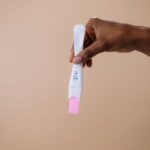
Most home pregnancy tests are designed to detect human chorionic gonadotropin (hCG), a hormone the body produces after a fertilized egg implants in the uterus. hCG becomes detectable in urine around the time of a missed period.
Testing too early is the most common reason for a false negative. If you test before your period is due, a negative result does not rule out pregnancy. Wait until your period is late, then test again.
For the most accurate result:
- Test first thing in the morning, when urine is most concentrated
- Follow the instructions on the specific test exactly
- If the result is negative and your period is still late, wait a few days and test again
If you have a positive result or a negative result with ongoing symptoms, see a healthcare provider. A blood test can detect hCG earlier and more precisely than a urine test.
Can PMS Symptoms Change From Month To Month?
Yes. PMS symptoms can vary in type and intensity from cycle to cycle. Stress, sleep, diet, exercise, and other factors can all influence how PMS presents.
This variability is one reason symptoms alone are unreliable for distinguishing PMS from pregnancy. A cycle that feels different from your usual pattern does not necessarily mean you are pregnant, and a cycle that feels normal does not rule it out.
Tracking your cycle and symptoms over several months can help you notice patterns, but it does not replace a pregnancy test.
What If You Have Symptoms But A Negative Test?
A negative test with ongoing symptoms has several possible explanations. The most common is that you tested too early, before hCG reached detectable levels.
Other possibilities include a late period from stress, illness, or hormonal shifts, or symptoms caused by something unrelated to pregnancy. PMS itself can sometimes be more intense than usual.
If your period remains late and symptoms continue, test again in a few days. If you have concerns, contact a healthcare provider. They can confirm or rule out pregnancy with a blood test and evaluate other causes of your symptoms.
When Should You See A Healthcare Provider?
See a provider if you have a positive pregnancy test, if your period is significantly late with a negative test, or if you have symptoms that concern you.
Seek care promptly if you have severe abdominal pain, heavy bleeding, dizziness, or fainting. These can signal an ectopic pregnancy, a condition where a fertilized egg implants outside the uterus. Ectopic pregnancy is a medical emergency and requires immediate treatment.
For routine questions about cycle changes, symptoms, or pregnancy testing, a primary care provider or gynecologist can help. They can also discuss cycle tracking methods and what your symptoms might mean in the context of your overall health.
Frequently Asked Questions
Can you have PMS symptoms and still be pregnant?
Yes. Early pregnancy and PMS share many symptoms because both involve rising progesterone. Having symptoms that feel like PMS does not rule out pregnancy.
How late does your period need to be before testing?
Most home tests are most accurate once your period is late, typically around the first day of a missed period. Testing earlier raises the chance of a false negative.
Does implantation bleeding look like a period?
Implantation bleeding is usually lighter and shorter than a normal period, often just spotting. It is not a reliable sign of pregnancy on its own because light spotting has many causes.
Can a pregnancy test be negative and still be pregnant?
Yes, especially if you test too early. If your period stays late and symptoms continue, wait a few days and test again, or ask a provider about a blood test.
