
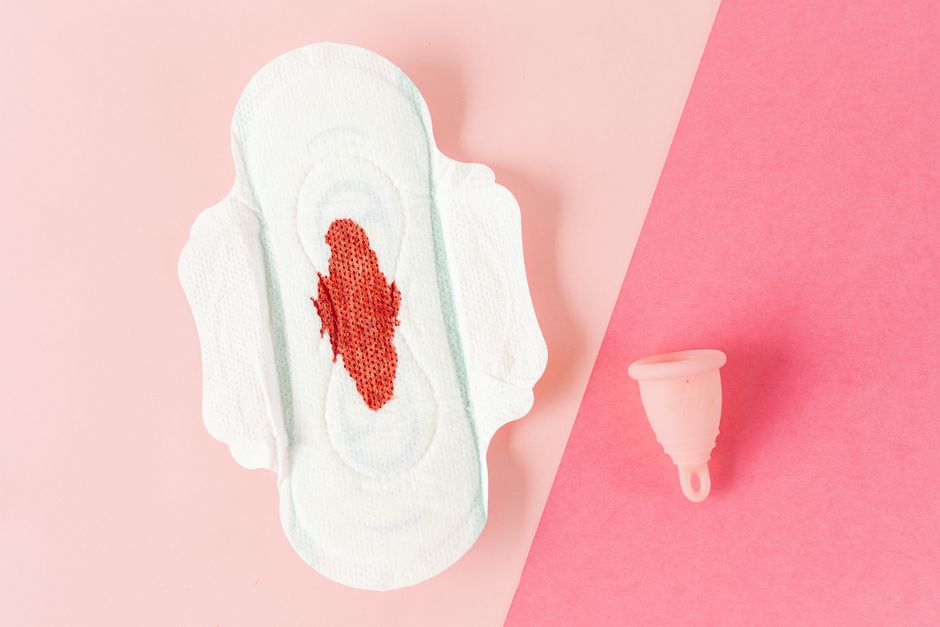
You feel a twinge in your lower belly, your mood shifted an hour ago, and now you are doing mental math on the calendar. Most people who menstruate get warning signs before their period starts, and those signs repeat in a fairly predictable pattern from cycle to cycle. The most common early signals are breast tenderness, bloating, mild cramping, irritability or mood changes, and fatigue, usually showing up in the one to two weeks before bleeding begins. Tracking these signals for a few cycles usually tells you more than any single symptom on its own.
What Actually Causes Premenstrual Symptoms?
Premenstrual symptoms come from hormonal shifts that happen after ovulation, not from anything going wrong in your body.
Each cycle has two halves. The first half is dominated by estrogen, which builds the uterine lining. Around the middle of the cycle, an egg is released. After that, the ovary produces progesterone, which stabilizes the lining and prepares it for a possible pregnancy. If no pregnancy occurs, progesterone and estrogen both fall. That drop is what triggers most premenstrual symptoms, and it is also what triggers the bleeding itself.
Progesterone affects more than the uterus. It relaxes smooth muscle, which slows digestion and can cause bloating and constipation. It influences fluid balance, which contributes to swelling in the breasts and hands. It also interacts with brain chemistry in ways that are not fully understood, but researchers believe it affects how the brain handles serotonin and other signaling molecules. That interaction is likely why mood symptoms vary so much from person to person.
One detail worth knowing: premenstrual symptoms are not caused by “too much” or “too little” of a hormone in absolute terms. They appear to come from how sensitive an individual’s body is to normal hormonal changes. Two people with identical hormone levels can have very different symptom experiences.
How To Tell If Your Period Is Coming Soon
The clearest way to know your period is coming is a recognizable pattern of physical and emotional symptoms that shows up at roughly the same point each cycle.
These symptoms typically begin 1 to 2 weeks before bleeding starts and ease once bleeding begins. They tend to be most noticeable in the last few days before your period. Common signs include:
- Breast tenderness or swelling — often one of the earliest signs
- Bloating and abdominal fullness — from slowed digestion and fluid shifts
- Mild cramping — a dull ache low in the pelvis, different from the sharper cramps some people get during bleeding
- Mood changes — irritability, tearfulness, anxiety, or feeling easily overwhelmed
- Fatigue — feeling more tired than usual without a clear reason
- Appetite changes — cravings, especially for sweet or salty foods, or changes in hunger
- Headache — often related to the estrogen drop
- Skin changes — acne or oiliness, usually along the jawline or chin
- Sleep changes — trouble falling asleep or waking more often
No one gets all of these. Most people have a consistent subset that repeats month to month. The pattern matters more than the individual symptom.
Some people also notice physical cues that are easy to overlook. Cervical mucus, for example, tends to become thicker and less stretchy after ovulation. Basal body temperature, if you track it, rises slightly after ovulation and stays elevated until bleeding begins. These are indirect signals, but they add useful information if you are trying to predict timing.
How Do These Signs Differ From Early Pregnancy Symptoms?
This is where prediction gets genuinely difficult, because premenstrual symptoms and early pregnancy symptoms overlap heavily.
Both can cause breast tenderness, fatigue, mild cramping, mood changes, and nausea. Both involve elevated progesterone. In early pregnancy, the body continues producing progesterone instead of withdrawing it, so many of the same pathways stay activated.
There are a few differences that some people notice, though none are reliable on their own:
- Premenstrual symptoms usually ease within a day or two of bleeding starting. Pregnancy symptoms tend to persist or intensify.
- Implantation bleeding, if it happens, is typically much lighter than a period and lasts a shorter time. Not everyone experiences it.
- Nausea tends to be more prominent in early pregnancy, though some people get mild nausea before their period too.
If your period is late and you have symptoms that could go either way, a home pregnancy test is the only way to know. Testing after a missed period gives more reliable results than testing early, because the hormone the test detects needs time to build up.





Is It PMS, PMDD, or Something Else?
Premenstrual syndrome (PMS) is the broad term for the physical and emotional symptoms that show up before a period. It is common. Most people who menstruate experience at least some premenstrual symptoms at some point.
Premenstrual dysphoric disorder (PMDD) is a separate, more severe condition. It involves significant mood symptoms — depression, irritability, anxiety, or a sense of hopelessness — that are intense enough to interfere with work, relationships, or daily functioning. PMDD is recognized as a distinct diagnosis in the DSM-5, the standard manual used for psychiatric diagnosis in the United States. It is not simply “bad PMS.”
PMDD is estimated to affect a small percentage of people who menstruate, though estimates vary. If premenstrual mood symptoms are consistently severe, disruptive, and predictable with your cycle, that pattern is worth discussing with a clinician. Effective treatments exist, and PMDD responds to specific approaches that differ from general PMS management.
Other conditions can also mimic premenstrual symptoms. Thyroid problems, anemia, depression, anxiety disorders, and perimenopause can all produce fatigue, mood changes, and cycle irregularity. If your symptoms have changed significantly, gotten worse, or no longer follow a predictable pattern, that is a signal to get evaluated rather than assume it is just your period.
Why Tracking Beats Guessing
Cycle tracking turns vague symptoms into a usable pattern, and it takes less effort than most people expect.
A simple calendar note or a tracking app works. Record the first day of bleeding each month, and jot down symptoms as you notice them. After two or three cycles, most people can see their own pattern clearly. You will likely find that your symptoms cluster at the same point each cycle, and that knowledge lets you plan around them.
Tracking also gives you something concrete to bring to a clinician if you ever need to discuss your cycle. “I get severe mood symptoms for five days before every period” is far more useful than “I think something is off.”
Two things can throw off the pattern: significant stress and major life changes like travel, illness, or weight shifts. Stress can delay ovulation, which shifts everything that follows. If your cycle is irregular, tracking becomes even more useful, because it helps you see whether there is a pattern at all.
When Should You Talk to a Doctor?
Talk to a clinician if your premenstrual symptoms are interfering with your life, if they are getting worse over time, or if your cycle has changed in ways that do not fit your usual pattern.
Specific things worth mentioning:
- Mood symptoms that feel severe or out of character
- Pain that is not relieved by over-the-counter options
- Bleeding between periods, after sex, or after menopause
- Periods that stop for several months without pregnancy
- Cycles shorter than 21 days or longer than 35 days on a consistent basis
- Symptoms that started suddenly after years of predictable cycles
These are not automatic signs of a problem. Many have simple explanations. But they are the kind of changes that deserve a professional look rather than a wait-and-see approach.
Frequently Asked Questions
How soon before my period do symptoms usually start?
Most premenstrual symptoms begin 1 to 2 weeks before bleeding starts and peak in the last few days before your period. Symptoms usually ease within a day or two once bleeding begins.
Can I tell my period is coming without any symptoms?
Some people have very mild or no noticeable premenstrual symptoms, which makes prediction harder. In that case, tracking your cycle dates and physical signs like cervical mucus or basal body temperature is more useful than watching for symptoms.
Why do my premenstrual symptoms change from month to month?
Stress, sleep, illness, travel, and weight changes can all affect ovulation timing and hormone levels, which shifts when and how symptoms appear. Symptoms that change significantly or stop following any pattern are worth discussing with a clinician.
Is it normal to get cramps before my period starts?
Mild cramping before bleeding begins is common and is usually related to hormonal shifts in the days before your period. Cramping that is severe, one-sided, or getting worse over time should be evaluated by a doctor.
