
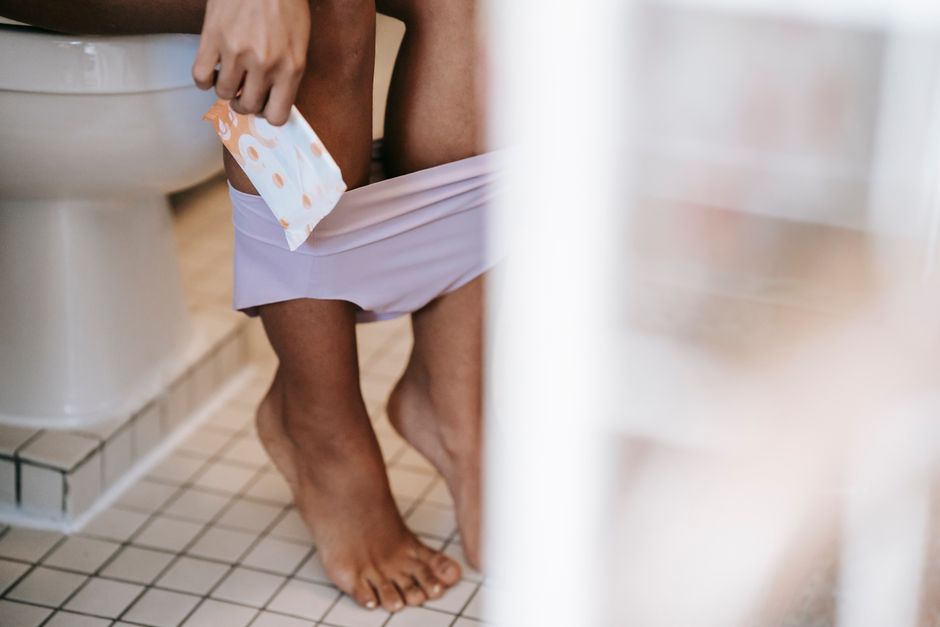
Period bloating is caused by shifting levels of estrogen and progesterone in the second half of the menstrual cycle. Progesterone rises after ovulation, which slows the movement of the digestive tract and prompts the body to hold on to more water and sodium. Estrogen also affects fluid balance and gut function. The result is a swollen, heavy feeling in the belly that usually shows up in the days before a period and fades once bleeding starts.
What Causes Period Bloating And How To Fix It
The bloating many people feel before a period is not imaginary and it is not simply “water weight” in a vague sense. There are measurable hormonal and physical changes behind it.
After ovulation, the hormone progesterone climbs. Progesterone relaxes smooth muscle throughout the body, including the muscle in the intestinal wall. When those muscles move more slowly, food and gas take longer to travel through the gut. That slowdown can produce pressure, distension, and that full, tight feeling in the abdomen.
At the same time, both estrogen and progesterone influence how the kidneys handle sodium and water. Shifts in these hormones around the premenstrual phase are associated with the body retaining more fluid. Some of that fluid sits in the tissues of the abdomen and pelvis, adding to the sense of swelling.
There is a detail worth knowing here. The amount of actual water weight gained before a period is often smaller than the discomfort suggests. Research on menstrual cycle symptoms has found that the sensation of bloating does not always match an objective increase in abdominal size or total body water. In other words, the feeling is real, but it is not always explained by a large measurable change. Gut motility, gas, and how the nervous system interprets signals from the abdomen all play a part.
Why Does Bloating Happen Before a Period and Not During It?
Timing comes down to when hormone levels peak and fall. Bloating is most common in the luteal phase, the roughly two weeks between ovulation and the start of bleeding.
Progesterone is at its highest during this window, so its effects on the gut and fluid balance are strongest. As the luteal phase ends and progesterone drops, the body sheds the uterine lining and the hormonal picture changes again. For most people, bloating eases within the first day or two of the period.
Some people notice bloating right before ovulation too, when estrogen surges. The pattern varies from person to person. Tracking symptoms across a cycle for two or three months often reveals a consistent rhythm, which can help distinguish hormonal bloating from other causes.
Is Period Bloating Normal?
Premenstrual bloating is common. It is one of the most frequently reported symptoms of premenstrual syndrome, or PMS, which affects a large share of people who menstruate.
Normal hormonal bloating tends to follow a predictable pattern. It builds in the days before a period, eases when bleeding begins, and does not come with warning signs like severe pain, fever, or unexplained weight loss.
It is worth separating this from bloating that does not fit the cycle. Persistent bloating that never resolves, bloating that gets steadily worse, or bloating paired with pelvic pain, changes in bowel habits, or bleeding between periods is not something to file under “just hormones.” Those patterns deserve a medical evaluation.



What Actually Helps With Period Bloating?
No single fix works for everyone, and the evidence behind some popular remedies is stronger than others. Here is an honest breakdown.
Diet and sodium
Cutting back on salt is one of the more reliable steps. Because the body is already holding sodium and water, a high-salt meal can make bloating feel worse. Reducing processed and restaurant food in the premenstrual days is a reasonable, low-risk move.
Some research suggests that calcium and magnesium may help with premenstrual symptoms, including bloating. The evidence is not uniform, and results vary. Getting these minerals from food is a sensible baseline.
Movement
Light activity — walking, stretching, gentle yoga — can help move gas through the gut and may ease the feeling of distension. This is widely recommended and generally well tolerated, though it is not a guaranteed fix.
Heat
A warm compress or a warm bath can relax abdominal muscles and reduce discomfort. This addresses the sensation more than the underlying cause, but comfort matters.
Over-the-counter options
Some people use anti-gas products containing simethicone, or diuretics. Simethicone is generally well tolerated. Diuretics are a different matter — they should not be used routinely for premenstrual bloating without medical guidance, because they can disturb electrolyte balance. If bloating is severe or tied to a diagnosed condition, a clinician may discuss prescription options such as certain hormonal contraceptives, which can reduce cyclical symptoms for some people.
What the evidence does not strongly support
Many supplements marketed for bloating have little or no large human trial data behind them. Claims that a product “flushes” water or “balances hormones” are usually marketing rather than demonstrated effect. Be cautious with anything promising a fast, dramatic result.
How Long Does Period Bloating Last?
For most people, premenstrual bloating lasts a few days and resolves once the period starts. It often begins around the middle of the luteal phase and peaks in the one to two days before bleeding.
The duration varies. Some people feel it for most of the week before their period. Others barely notice it. If bloating regularly lasts well beyond the period or does not follow any cycle pattern, that is a reason to look beyond hormones.
When Should You See a Doctor About Bloating?
Bloating that is new, persistent, or severe should be checked. Hormonal bloating is cyclical and self-limiting. Bloating that is not is a different situation.
Seek medical advice if you notice:
- Bloating that does not go away or keeps getting worse
- Pelvic or abdominal pain that is severe or new
- Changes in bowel habits that last more than a few weeks
- Unexplained weight loss
- Bleeding between periods or after menopause
- Fever, vomiting, or inability to pass gas
These signs can point to conditions unrelated to the menstrual cycle, and some require prompt attention. Persistent bloating in particular is a symptom that clinicians take seriously and evaluate rather than dismiss.
Can You Prevent Period Bloating?
You cannot switch off the hormonal shifts that drive cyclical bloating. But you can reduce how much it bothers you.
Consistent habits tend to help more than last-minute fixes. Staying active through the month, keeping sodium moderate, staying hydrated, and getting enough sleep all support normal gut and fluid function. Some people find that limiting alcohol and caffeine in the premenstrual days makes a difference, though the evidence for this is not strong and it varies by person.
Tracking your cycle and symptoms is genuinely useful. It helps you predict when bloating is likely and tells you whether what you are doing is actually working.
Frequently Asked Questions
What causes period bloating?
Rising progesterone after ovulation slows the digestive tract and shifts how the body handles sodium and water, which leads to a full, swollen feeling in the belly. Estrogen also plays a role in fluid balance and gut function.
How long does period bloating usually last?
For most people it lasts a few days, peaking in the one to two days before bleeding starts and easing once the period begins. Duration varies from person to person.
Does drinking more water help with period bloating?
Staying hydrated supports normal fluid balance, but it is not a proven cure for hormonal bloating. Reducing sodium intake is generally a more reliable step.
When is bloating a sign of something more serious?
Bloating that is persistent, getting worse, or paired with severe pain, bowel changes, or unexplained weight loss should be evaluated by a doctor. Cyclical bloating that eases with your period is usually not a concern.
