
A sudden pop in your ear followed by pain, then relief. Or maybe a sharp ache that won’t quit. These are the moments people wonder if something is seriously wrong with their eardrum. A damaged or ruptured eardrum is a tear or hole in the thin membrane that separates your ear canal from your middle ear. The most direct way to tell is a sudden change in hearing, often with pain that fades quickly after the tear happens. You might also notice fluid draining from your ear, a ringing sound, or a feeling of pressure that won’t go away. Only a doctor can confirm it for sure, but knowing the signs helps you decide if you need to be seen.
What Is an Eardrum Rupture and How Common Is It?
Your eardrum, also called the tympanic membrane, is a thin layer of tissue about the size of a dime. It vibrates when sound waves hit it, sending signals to your brain so you can hear. A rupture means there is a tear or hole in this membrane. It can happen from an infection, a blow to the head, a sudden loud noise, or even from poking something too far into your ear.
Research shows that about 2 to 5 percent of people will experience a ruptured eardrum at some point in their lives. The CDC reports that middle ear infections are one of the most common causes, especially in children. Most ruptures heal on their own within a few weeks, but some need medical treatment. Knowing what to look for can help you avoid complications like hearing loss or infection spreading deeper into the ear.
How To Tell If Your Eardrum Is Damaged Or Ruptured: The Key Signs
The symptoms of a damaged or ruptured eardrum can vary depending on what caused it and how severe the tear is. Some people feel nothing at all. Others have clear, unmistakable signs. Here are the most common ones to watch for.
Sudden sharp ear pain. Many people describe a quick, stabbing pain that then stops or gets much better. This happens because the pressure inside the middle ear suddenly releases when the eardrum tears. If the rupture is from an infection, the pain might have been building for days before the pop.
Drainage from the ear. Fluid that is clear, bloody, or pus-like can leak out. This is a strong sign that something is wrong. The American Academy of Otolaryngology notes that drainage often means the eardrum has ruptured and fluid from the middle ear is escaping.
Hearing loss. You might notice sounds seem muffled or quieter than usual. How much hearing you lose depends on the size and location of the tear. Small tears may cause only a slight change. Larger ones can cause noticeable loss.
Ringing in the ear. Tinnitus, or a ringing, buzzing, or roaring sound, is common after a rupture. It may fade as the eardrum heals.
Dizziness or vertigo. The inner ear helps control balance. A rupture can sometimes affect this system, making you feel unsteady or like the room is spinning.
What Causes a Ruptured Eardrum?
Several things can cause a tear in the eardrum. Understanding the cause helps you know what to expect and whether you need to see a doctor right away.
Middle ear infections. This is the most common cause, especially in children. Fluid builds up behind the eardrum, creating pressure. If the pressure gets too high, the eardrum can burst. The pain often goes away quickly after the rupture because the pressure is released.
Barotrauma. Rapid changes in air pressure can tear the eardrum. This can happen during flying, scuba diving, or even driving through mountains. The pressure difference between the middle ear and the outside environment can be too much for the eardrum to handle.
Loud noises. A very loud sound, like an explosion or a gunshot fired close to the ear, can rupture the eardrum. This is called acoustic trauma. The sound wave is strong enough to tear the membrane.
Foreign objects. Poking something into your ear, like a cotton swab, a bobby pin, or a key, can easily damage the eardrum. This is why doctors tell people never to put anything smaller than their elbow in their ear.
Head trauma. A serious blow to the head, such as from a car accident or a fall, can fracture the skull and tear the eardrum.





When to See a Doctor and What to Expect
If you think your eardrum might be damaged, you should see a doctor. The sooner you get checked, the better. Delaying treatment can lead to infections that spread to the middle ear or, in rare cases, permanent hearing loss.
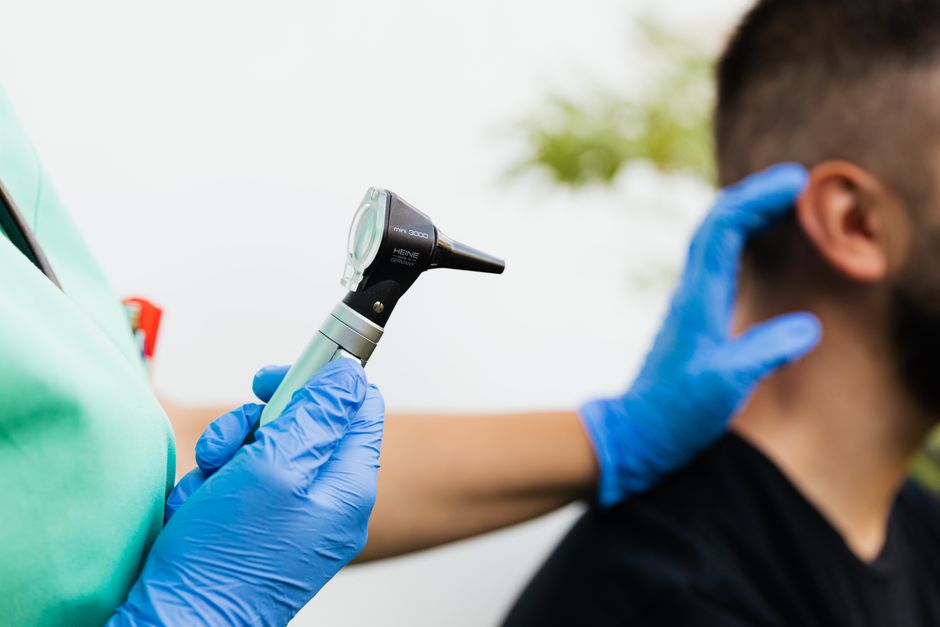
A doctor will look inside your ear with an otoscope, a tool with a light and a magnifying lens. They can see the tear or hole directly. They might also do a hearing test to check how much hearing you have lost. In some cases, they may refer you to an ear, nose, and throat specialist.
Most ruptured eardrums heal on their own within a few weeks. The doctor will likely tell you to keep the ear dry and avoid blowing your nose hard. If the tear is large or does not heal, surgery called tympanoplasty may be needed to patch the hole. This is rare. Research published in the journal Otology & Neurotology found that over 90 percent of small tears close without any treatment.
What to Avoid While Your Eardrum Heals
Once your eardrum is healing, certain things can make it worse or slow down recovery. Avoiding these can help you heal faster and avoid complications.
- Do not put anything in your ear. No cotton swabs, no drops, no water. Even if your doctor prescribed ear drops, follow the instructions carefully. Most drops are not safe for a ruptured eardrum because they can enter the middle ear and cause damage.
- Keep water out. When you shower or bathe, place a cotton ball coated with petroleum jelly in the outer ear. Do not swim until your doctor says it is safe.
- Do not blow your nose hard. Blowing your nose creates pressure that can push bacteria into the middle ear through the tear. If you need to blow, do it gently, one nostril at a time.
- Avoid flying or scuba diving. Changes in air pressure can make the tear bigger or slow healing. If you must fly, chew gum or yawn frequently to equalize pressure.
Can a Ruptured Eardrum Cause Permanent Damage?
Most people heal fully without any lasting problems. But there are risks. The most common long-term issue is some degree of hearing loss. How much hearing you lose depends on the size of the tear and whether it heals completely. Small tears usually cause only temporary hearing loss that returns as the membrane closes.
Infections are another concern. A hole in the eardrum makes it easier for bacteria to get into the middle ear. This can lead to chronic ear infections, which can damage the tiny bones in the middle ear and cause permanent hearing loss. The National Institute on Deafness and Other Communication Disorders states that cholesteatoma, a skin cyst that grows in the middle ear, can also develop if the eardrum does not heal properly.
Dizziness or vertigo can persist in some cases. The inner ear is delicate, and a rupture can sometimes affect balance. This usually improves as the eardrum heals, but some people have lingering issues.
Home Care vs. Medical Treatment: What the Evidence Says
For most people, a ruptured eardrum does not need aggressive treatment. The body can heal itself. But there is a difference between letting it heal and ignoring it. Here is a simple comparison to help you understand your options.
| Situation | Home Care | Medical Treatment |
|---|---|---|
| Small tear from infection or pressure change | Keep ear dry. Avoid blowing nose. Monitor symptoms. | Doctor may prescribe antibiotics if infection is present. Follow-up in 2-4 weeks. |
| Large tear or no healing after 2 months | Not recommended. Home care alone will not close a large hole. | Surgery (tympanoplasty) to patch the hole. Usually successful. |
| Drainage with pus or blood | Clean outer ear gently with a cloth. Do not insert anything. | Doctor will check for infection. May prescribe antibiotic drops or oral antibiotics. |
| Hearing loss that does not improve | Safe to wait a few weeks, but see a doctor if it persists. | Hearing test. Surgery if needed. Hearing aid in rare cases. |
The table shows that most cases fall into the home care column. But if you have drainage, pain that gets worse, or hearing loss that does not improve, see a doctor. Some people report that certain home remedies like warm oil or garlic drops help. There is no clinical evidence that these work for a ruptured eardrum, and they can actually introduce bacteria and make things worse. Stick with what research supports: keep the ear dry and let it heal.
Frequently Asked Questions
Can a ruptured eardrum heal on its own?
Yes, most small tears heal without treatment within a few weeks. The body repairs the membrane naturally in about 90 percent of cases.
Is it safe to fly with a ruptured eardrum?
It is best to avoid flying until the eardrum heals. Pressure changes during takeoff and landing can make the tear worse or cause pain.
What does fluid from a ruptured eardrum look like?
It can be clear, bloody, or thick and pus-like. The color and consistency depend on whether an infection is present.
Can you hear with a ruptured eardrum?
Yes, but hearing is often muffled or quieter than normal. The amount of hearing loss depends on the size and location of the tear.
