
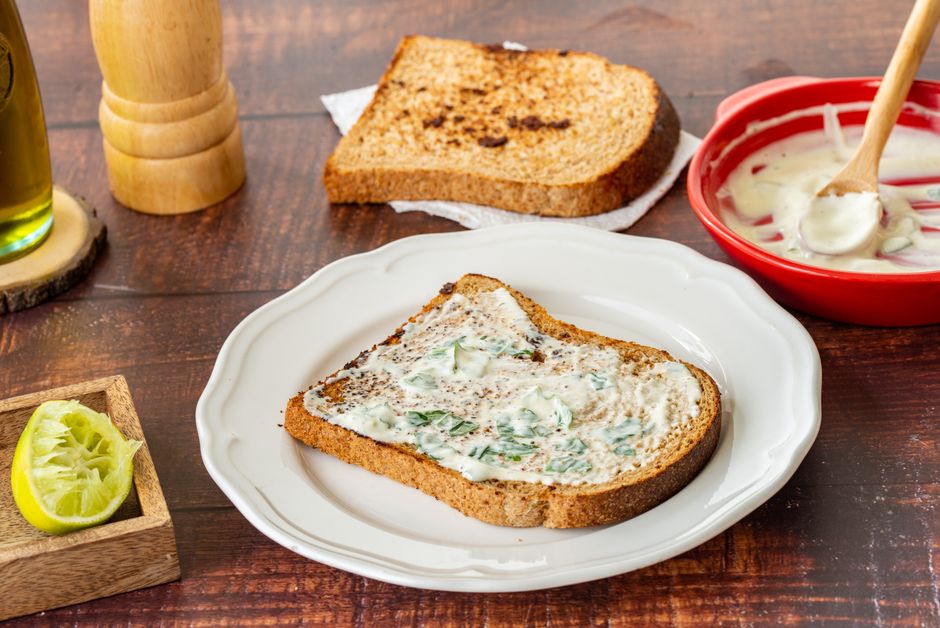
You open the fridge, grab the jar of mayo, and pause. You can not remember when you bought it. That white blob sitting on the spoon looks fine. But is it safe? The short answer is yes, you can tell if mayonnaise is bad by using your senses. Look for mold, a yellow or darkened color, or liquid separating on top. Smell it — if it smells sour, rancid, or like vinegar gone wrong, toss it. Taste a tiny bit only if it passes the look and smell test. If it tastes off, do not eat more. Spoiled mayonnaise can cause food poisoning. Trust your nose and eyes first.
What Are the First Signs That Mayonnaise Has Gone Bad?
Your senses are the best tools here. Visual changes are usually the first clue. Fresh mayonnaise is creamy and pale white to off-white. If you see any dark spots, green fuzz, or pinkish streaks, that is mold. Throw the whole jar away immediately. Do not scrape off the moldy part. Mold roots can spread deeper than you can see.
Liquid separation is trickier. Mayonnaise is an emulsion of oil, egg, and acid. Some separation is normal over time. A thin layer of clear liquid on top can happen and is not always a sign of spoilage. Stir it back in. If the mayo re-emulsifies and looks normal, it is probably fine. If the liquid is cloudy, yellow, or smells bad, that is different. That signals bacterial growth.
How Can You Tell If Mayonnaise Is Bad by Smell?
Smell is your most reliable test after sight. Open the jar and take a quick sniff. Fresh mayonnaise has a mild, tangy smell from the vinegar or lemon juice. It should not be strong or offensive.
A sour, sharp, or “off” odor means bacteria are multiplying. Rancid oil has a distinct smell too — think of old cooking oil or stale nuts. If the smell makes you pull back, do not taste it. Trust that reaction. Your nose is evolved to detect spoiled food. Some people report that bad mayo smells like vomit or rotten eggs. That is a clear sign the emulsion has broken down and harmful bacteria may be present.
Does Refrigeration Keep Mayonnaise Safe Indefinitely?
No. Refrigeration slows bacterial growth but does not stop it completely. Commercial mayonnaise has preservatives like calcium disodium EDTA that extend shelf life. But even with those, the clock is ticking.
An unopened jar of store-bought mayo lasts about three to four months past its “best by” date in the fridge. Opened jars last about two months. After that, quality drops and risk increases. Homemade mayonnaise is different. It uses raw egg yolks and no preservatives. It lasts only about one week in the refrigerator. Do not push that window. The risk of Salmonella from raw eggs is real.
Current research suggests that the acid in commercial mayo — vinegar or lemon juice — actually slows bacterial growth better than people assume. A 2026 review of food safety studies found that the low pH of commercial mayonnaise makes it harder for common pathogens like Salmonella and Staphylococcus aureus to multiply. But that protection is not perfect. It does not stop mold or spoilage bacteria over time.





What Happens If You Eat Bad Mayonnaise?
Eating spoiled mayonnaise can cause food poisoning. Symptoms usually start within a few hours to a day. Common signs include nausea, vomiting, stomach cramps, and diarrhea. Some people get a low-grade fever.
The severity depends on what bacteria are present. Staphylococcus aureus is a common culprit in mayonnaise-based dishes left out too long. It produces toxins that heat does not destroy. That is why potato salad left in the sun can make people sick even if you refrigerate it later. The toxin is already there.
Most healthy adults recover within 24 to 48 hours with rest and fluids. Older adults, young children, pregnant women, and people with weakened immune systems can have worse outcomes. If symptoms are severe — bloody diarrhea, high fever, or inability to keep fluids down — see a doctor.
How Long Can Mayonnaise Sit Out at Room Temperature?
This is where many people get it wrong. The common rule from food safety experts is two hours. Mayonnaise should not sit at room temperature for more than two hours total. If the temperature is above 90°F, like at a picnic or barbecue, that drops to one hour.
The myth that mayonnaise spoils faster than other condiments is not accurate. Studies have found that mayonnaise itself is not the most dangerous part of a picnic spread. The real risk comes from mixing mayo with other ingredients like chicken, eggs, or potatoes. Those foods provide protein and moisture that bacteria love. Mayonnaise adds acid, which actually slows bacterial growth slightly. But the combination still needs to be kept cold.
If you left a mayo-based dish out for three hours at a cookout, do not risk it. Throw it away. The cost of a new batch is far less than a trip to urgent care.
What Is the Difference Between Expiration Date and Spoilage?
The “best by” or “use by” date on a mayo jar is about quality, not safety. Manufacturers estimate how long the product will taste its best. Mayonnaise can still be safe to eat weeks or months past that date if stored properly and unopened.
But that date assumes ideal conditions. If the jar has been opened, the clock starts ticking faster. Once opened, oxygen and bacteria from the air enter the jar every time you dip a knife in. Cross-contamination is a real issue. If you use a knife that touched bread or meat and then dip it back into the mayo, you just introduced bacteria.
Spoilage is about actual signs of decay — mold, off smell, texture changes. Do not rely on dates alone. Use your senses. A jar that looks and smells fine past its date is likely safe. A jar that looks fine but is six months past its date and has been opened multiple times is more questionable. When in doubt, throw it out.
| Condition | Shelf Life | Key Signs of Spoilage |
|---|---|---|
| Unopened commercial mayo | 3-4 months past best-by date | Bulging lid, rust, liquid separation only |
| Opened commercial mayo | 2 months | Sour smell, mold, color change |
| Homemade mayo | 1 week | Off smell, thin texture, yellow liquid |
| Mayonnaise-based dish (e.g., egg salad) | 3-4 days refrigerated | Sour smell, watery separation |
Can You Freeze Mayonnaise to Make It Last Longer?
You can, but you will not like the result. Freezing breaks the emulsion in mayonnaise. The oil and water separate. When it thaws, the texture becomes grainy, watery, and unappealing. It will not spread smoothly on a sandwich.
If you only care about safety, freezing is fine. Bacteria stop growing at freezing temperatures. But the quality loss is significant. Most people find thawed mayo unusable for anything except baking or cooking where texture does not matter. Even then, it may not mix well.
A better approach is to buy smaller jars. Do not stockpile large containers of mayo if you do not use it quickly. A smaller jar that you finish in a month is safer and tastes better than a giant jar that sits in your fridge for six months.
Common Misconceptions About Mayonnaise and Food Safety
One persistent myth is that mayonnaise is a leading cause of food poisoning at picnics. That is not what the evidence shows. The USDA has stated that commercial mayonnaise actually inhibits bacterial growth due to its high acid content. The real culprits are the other ingredients in the dish — meat, eggs, dairy — and the warm temperatures that allow bacteria to grow.
Another misconception is that you can tell mayo is bad just by looking at it. You can not always. Some harmful bacteria do not change the appearance, smell, or taste of food. That is rare with mayonnaise because spoilage bacteria usually grow faster than pathogens. But it is possible. That is why following time and temperature rules matters even when the mayo looks fine.
Some people believe that adding extra lemon juice or vinegar to homemade mayo makes it last longer. It does not. The acid level in homemade mayo is already set by the recipe. Adding more changes the taste but does not meaningfully extend shelf life. The only way to safely extend homemade mayo is to use pasteurized eggs or egg substitute.
Frequently Asked Questions
How long does mayonnaise last in the fridge after opening?
Opened commercial mayonnaise lasts about two months in the refrigerator. Homemade mayonnaise lasts about one week.
Can you get food poisoning from old mayonnaise?
Yes. Spoiled mayonnaise can contain bacteria that cause nausea, vomiting, and diarrhea. The risk increases the longer it sits past its safe window.
Is it safe to eat mayonnaise that has separated?
Separation alone is not a sign of spoilage. Stir it back in. If the liquid is cloudy or smells bad, throw it away.
Does mayonnaise need to be refrigerated?
Yes, after opening. Unopened commercial mayonnaise can be stored in a cool, dark pantry until its best-by date. Once opened, it must be refrigerated.
