
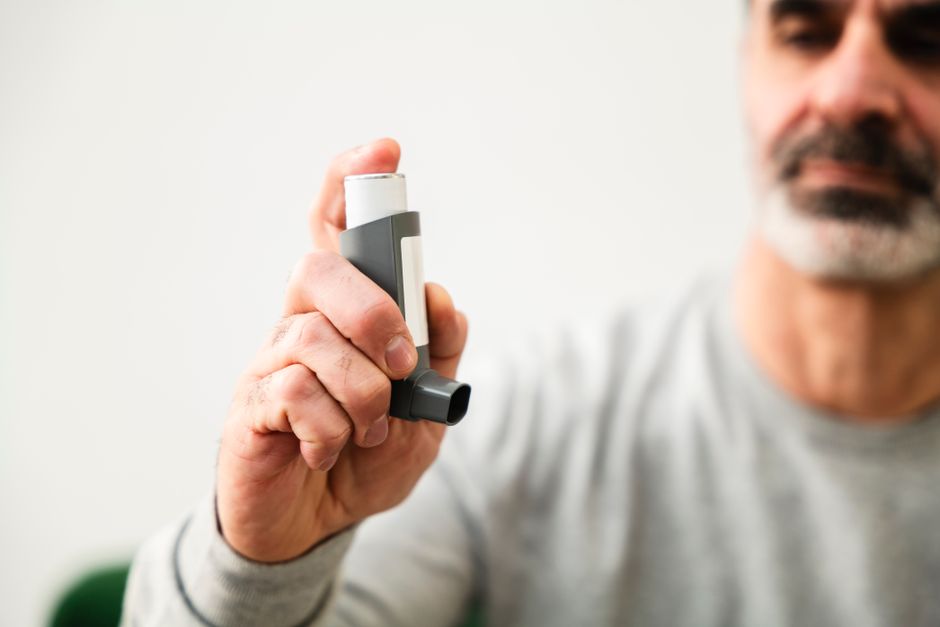
Asthma is not always obvious. Many people live with undiagnosed asthma for years, mistaking it for being out of shape, seasonal allergies, or a lingering cold. The clearest way to tell if you have asthma is if you have repeated episodes of wheezing, chest tightness, shortness of breath, or coughing that gets worse at night or early in the morning. If these symptoms come and go and often get triggered by exercise, cold air, or allergens, you need to see a doctor for a lung function test. A spirometry test is the standard way to diagnose asthma. It measures how much air you can breathe out and how fast. No home test can replace this. If you suspect asthma, do not try to manage it alone. See a healthcare provider.
What Are the Most Common Signs of Asthma?
The hallmark symptoms of asthma are not subtle once you know what to look for. Research published by the American Lung Association identifies four primary symptoms: wheezing, coughing, chest tightness, and shortness of breath. Wheezing is a high-pitched whistling sound when you breathe out. It is the symptom most people associate with asthma. But not everyone who has asthma wheezes. Some people only cough.
Coughing from asthma is often dry and persistent. It tends to be worse at night, early in the morning, or during exercise. Chest tightness can feel like something is sitting on your chest or like a band is squeezing you. Shortness of breath may feel like you cannot get enough air in, even when you are not active. These symptoms are not constant for most people. They come in episodes or “attacks” and can vary in severity from mild to life-threatening.
One key detail many people miss: asthma symptoms often follow a pattern. They get worse with specific triggers. Common triggers include pollen, dust mites, pet dander, mold, cold air, exercise, smoke, and strong smells. If your breathing problems follow a trigger, that is a strong clue it may be asthma.
How To Tell If You Have Asthma at Home
You cannot diagnose asthma at home, but you can track clues that tell you when to see a doctor. The most useful tool is a peak flow meter. This is a small, handheld device that measures how fast you can blow air out of your lungs. It gives you a number called your peak expiratory flow, or PEF. The National Heart, Lung, and Blood Institute recommends peak flow monitoring for people who already have asthma. But it can also help you spot a pattern before diagnosis.
Here is how to use it. Stand up. Take a deep breath. Put the meter in your mouth and seal your lips around it. Blow out as hard and fast as you can. Do this three times and record the highest number. Do this every morning and evening for two weeks. If your numbers are consistently lower than expected for your age, height, and sex, or if they drop by more than 20 percent from one reading to the next, that is a strong sign your airways are narrowing. That warrants a doctor visit.
Keep a symptom diary alongside your peak flow readings. Write down when you cough, wheeze, or feel short of breath. Note what you were doing, where you were, and the time of day. After two weeks, look for patterns. Do your symptoms spike after you vacuum? Do they worsen in the bedroom where your dog sleeps? This information is gold for your doctor.
What Does the Spirometry Test Tell Your Doctor?
Spirometry is the gold standard for diagnosing asthma. It is a simple breathing test that takes about 15 minutes. You breathe into a tube connected to a machine called a spirometer. The machine measures two things: how much air you can exhale after a deep breath, and how fast you can blow it out. The key number is FEV1, which stands for forced expiratory volume in one second. That is the amount of air you can force out in the first second of your exhalation.
If your FEV1 is lower than expected for your age and size, your airways are obstructed. The doctor will then give you a bronchodilator — usually albuterol — and repeat the test after 15 minutes. If your FEV1 improves by 12 percent or more, that is called reversibility. Reversibility is a hallmark of asthma. It means your airway narrowing is not permanent. It can open back up with medication. This distinguishes asthma from other lung diseases like COPD.
Research in the Journal of the American Medical Association has confirmed that spirometry is highly accurate for diagnosing asthma when combined with symptom history. But it is not perfect. Some people with asthma have normal spirometry between attacks. If your test is normal but your symptoms strongly suggest asthma, your doctor may order a bronchial challenge test. This involves inhaling a substance like methacholine that triggers airway narrowing in people with asthma. If your lungs tighten during this test, asthma is likely.





What Conditions Can Mimic Asthma?
Asthma is frequently misdiagnosed because other conditions share its symptoms. The most common mimic is vocal cord dysfunction, or VCD. In VCD, the vocal cords close when you inhale instead of staying open. This causes wheezing and shortness of breath that looks exactly like asthma. But VCD does not respond to asthma medications. The CDC notes that up to 40 percent of people referred to asthma specialists actually have VCD or another condition.
Other mimics include GERD, or gastroesophageal reflux disease. Stomach acid can splash into the throat and trigger coughing and chest tightness. Chronic sinusitis can cause post-nasal drip that leads to a chronic cough. Heart failure in older adults can cause fluid buildup in the lungs, which produces shortness of breath and wheezing. Anxiety and panic attacks can also cause chest tightness and a feeling of suffocation that people mistake for asthma.
This is why a proper diagnosis matters. Treating the wrong condition wastes time and money. It can also be dangerous. Using asthma inhalers when you do not need them can cause side effects like a rapid heart rate, tremors, and throat irritation. And if your real problem is heart failure, delaying proper treatment can be life-threatening.
How To Tell If You Have Asthma: Comparing Diagnostic Tools
The table below compares the main ways doctors diagnose asthma. No single tool is perfect, but together they give a clear picture.
| Diagnostic Tool | What It Measures | How Accurate |
|---|---|---|
| Spirometry | FEV1, FVC, FEV1/FVC ratio | Highly accurate when symptoms are present |
| Peak flow meter | Peak expiratory flow (PEF) | Good for tracking patterns, not for diagnosis alone |
| Bronchial challenge test | Airway hyperresponsiveness | Very accurate for ruling asthma in |
| Allergy testing | Sensitivity to specific triggers | Helpful for identifying triggers, not diagnostic |
| Chest X-ray | Structural lung issues | Rarely shows asthma, used to rule out other conditions |
What Should You Do If You Think You Have Asthma?
Step one: make an appointment with your primary care doctor or a pulmonologist. Do not try to self-treat with over-the-counter inhalers or herbal remedies. The American Academy of Allergy, Asthma, and Immunology strongly warns against this. OTC inhalers like epinephrine can raise your heart rate dangerously and do not treat the underlying inflammation. They only provide temporary symptom relief.
Before your appointment, gather your peak flow readings and symptom diary. Write down your family history. Asthma has a strong genetic component. If a parent or sibling has asthma, your risk is higher. Also list any medications you take, including supplements. Some blood pressure drugs called beta-blockers can worsen asthma symptoms.
If you are diagnosed with asthma, treatment usually starts with a rescue inhaler. This is a short-acting bronchodilator like albuterol that opens your airways quickly during an attack. If you need it more than twice a week, your doctor will likely add a controller medication. Controllers are usually inhaled corticosteroids that reduce airway inflammation over time. They are not for immediate relief. They prevent attacks from happening in the first place.
An asthma action plan is essential. This is a written plan from your doctor that tells you exactly what to do based on your symptoms and peak flow readings. It uses a traffic light system: green means your asthma is under control, yellow means it is worsening and you need to adjust medication, red means a medical emergency. The CDC reports that people who use an asthma action plan have fewer hospital visits and better control of their symptoms.
Common Misconceptions About Asthma Diagnosis
One of the most persistent myths is that you cannot have asthma if you did not have it as a child. This is false. Adult-onset asthma is real and common. The Asthma and Allergy Foundation of America states that asthma can develop at any age. Women are more likely than men to develop asthma after age 20. The triggers and severity can be different from childhood asthma, but it is the same disease.
Another myth is that wheezing is required for an asthma diagnosis. It is not. Some people, especially those with cough-variant asthma, never wheeze. Their only symptom is a chronic dry cough that lasts for weeks or months. This type of asthma is often misdiagnosed as bronchitis or post-nasal drip. If your cough does not respond to antibiotics or allergy meds, ask your doctor about asthma testing.
A third misconception is that asthma is always allergic. It is not. While allergies are a common trigger, many people have non-allergic asthma. Cold air, exercise, stress, and respiratory infections can all trigger asthma attacks in people with no allergies. Allergy testing can help identify triggers but a negative allergy test does not rule out asthma.
Finally, some people believe that if their peak flow readings are normal, they do not have asthma. This is misleading. Peak flow can be normal between attacks. Asthma is a condition of variable airway obstruction. Your lungs can be fine one day and severely narrowed the next. A single normal reading does not mean you are in the clear. The pattern over time matters far more than any single number.
Frequently Asked Questions
Can asthma go away on its own?
Asthma does not go away on its own. Symptoms can improve with age or treatment, but the underlying airway sensitivity remains. It is a chronic condition that requires ongoing management.
Is it safe to use a friend’s inhaler to see if I have asthma?
No. Using someone else’s inhaler is dangerous. You do not know if your symptoms are actually asthma, and the medication can cause side effects like rapid heart rate and tremors if you do not need it. See a doctor for your own prescription.
How long does a spirometry test take?
The test takes about 15 minutes. You breathe into a tube several times, then take a bronchodilator and repeat the test. The entire appointment including setup and results discussion usually takes 30 to 45 minutes.
Can stress cause asthma symptoms without having asthma?
Yes. Stress and anxiety can cause chest tightness, shortness of breath, and a feeling of suffocation that mimics asthma. This is often panic attack symptoms rather than airway narrowing. A doctor can help distinguish the two.
