

Most bug bites cause some redness, swelling, and itching. But the pattern, location, and timing of the bite can often point you toward the culprit. A single red welt on your ankle during summer is likely a mosquito. A line of three or four itchy bumps on your arm is often bed bugs or fleas. A painful red ring with a pale center could be a tick bite. Learning to read these signs helps you treat the bite correctly and know when to see a doctor.
What Does a Mosquito Bite Look Like?
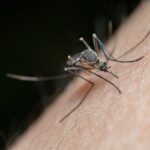
Mosquito bites are the most common and usually the easiest to identify. They appear as a puffy, round, reddish bump that appears within minutes of the bite. The bump often itches right away.
Skeeter syndrome is a more severe allergic reaction. It causes significant swelling, warmth, and redness that can last for days. This is more common in children and people who have not been exposed to a particular mosquito species before.
Mosquitoes tend to bite exposed skin. They do not crawl under clothing. Bites are usually random and solitary, not in a line or cluster. If you were outside at dawn or dusk and have scattered itchy bumps on your arms or legs, mosquitoes are the likely cause.
How to Identify Bed Bug Bites
Bed bugs are nocturnal and feed while you sleep. Their bites often appear in a line or cluster. Some people call this pattern “breakfast, lunch, and dinner” because the bug bites, moves a small distance, and bites again.
The bites themselves look like small, flat or slightly raised red welts. They are intensely itchy. The most distinctive feature is the pattern and location. Bed bugs typically bite areas of skin exposed while sleeping — the face, neck, arms, and hands.
Unlike mosquito bites that appear quickly, bed bug bites may take a few days to show up. Not everyone reacts to bed bug bites. Research suggests up to 30 percent of people may have no reaction at all. If one person in the bed has bites and the other has none, that does not rule out bed bugs.
The best way to confirm bed bugs is to find the insects themselves. Look for rust-colored spots on sheets, tiny pale eggs, or the bugs hiding in mattress seams and headboard cracks.
What Do Flea Bites Look Like?
Flea bites are small, red, and usually have a red halo around the center. They are intensely itchy. The classic sign is the location — fleas typically bite the feet and lower legs. They jump from the ground or from a pet and bite the first skin they reach.
Flea bites often appear in groups of two or three. Unlike bed bugs, fleas rarely bite the torso or arms unless a person has been sitting on an infested carpet or couch.
If you have a pet that goes outdoors, fleas should be high on your list. Check your pet for signs of scratching. Look for tiny black specks on your pet’s bedding — this is flea feces and a strong sign of infestation.



How to Recognize a Tick Bite
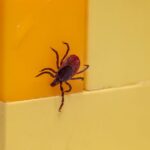
Tick bites are unique because the tick often stays attached. If you find a tick embedded in your skin, that is the diagnosis. The bite itself is usually painless. Many people never feel the tick attach.
After a tick is removed, the bite site may develop a small red bump. This can persist for a few weeks and is not necessarily a sign of infection. A distinctive expanding rash is the key warning sign.
Lyme disease can cause a rash that looks like a bull’s-eye — a red ring with a clearer center. This rash expands over days. Not all Lyme rashes look like a bull’s-eye. Some appear as a solid expanding red patch. The rash does not always itch or hurt.
If you develop a spreading rash or flu-like symptoms within weeks of a tick bite, see a doctor promptly. Early treatment matters for tick-borne illnesses.
Spider Bites: What You Need to Know
Most spider bites are harmless. They look like small red bumps that heal on their own. In most cases, people never see the spider that bit them. This makes spider bites difficult to confirm without a witnessed bite.
Only two spiders in North America pose a serious medical concern: the black widow and the brown recluse. Their bites have distinct features.
A black widow bite may feel like a minor pinprick. Within hours, severe muscle cramps and abdominal pain can develop. The bite site often shows two small fang marks. Seek emergency care if you suspect a black widow bite.
A brown recluse bite is often painless at first. Within hours, the area becomes red, swollen, and painful. A blister may form. Over days, the tissue can break down and form an ulcer. This is rare but serious. Brown recluse spiders live mainly in the central and southern United States.
Most suspected spider bites are actually bites from other insects or skin infections. A study published in the New England Journal of Medicine found that the majority of suspected spider bites were misidentified. Accurate identification requires either seeing the spider or having it examined by an expert.
Chigger Bites and Other Small Pests
Chiggers are tiny mites found in grass and brush. Their bites cause intense itching that develops several hours after exposure. The bites appear as small red welts, often in clusters.
Chiggers tend to bite where clothing fits tightly against the skin. Common sites include the waistline, ankles, and armpits. The itching can last for a week or more.
Unlike ticks, chiggers do not burrow into the skin or feed on blood. They inject digestive enzymes and feed on skin cells. The red bump and itching are reactions to those enzymes.
Applying an anti-itch cream or taking an oral antihistamine can help manage the discomfort. The bites resolve on their own.
How To Tell What Bug Bit You By The Bite Mark
The table below summarizes the key features of common bug bites. Use it as a starting point, not a final diagnosis.
| Bug | Appearance | Pattern | Location |
|---|---|---|---|
| Mosquito | Puffy red bump | Scattered, random | Exposed skin |
| Bed bug | Small red welts | Line or cluster | Face, neck, arms |
| Flea | Small red bump with halo | Groups of 2-3 | Ankles, lower legs |
| Tick | Red bump or expanding rash | Single site | Anywhere, often skin folds |
| Chigger | Small red welts | Clusters | Waist, ankles, armpits |
No single feature is definitive. The bite appearance, your location, the time of year, and whether you saw the bug all matter. If you are unsure, treat the symptoms first. Clean the area with soap and water. Apply a cold compress to reduce swelling. An over-the-counter hydrocortisone cream or oral antihistamine can relieve itching.
When Should You See a Doctor?
Most bug bites are harmless and heal without treatment. Certain symptoms require medical attention.
Seek emergency care if you experience difficulty breathing, swelling of the face or lips, dizziness, or confusion after a bite. These can be signs of a severe allergic reaction called anaphylaxis.
See a doctor if a bite becomes infected. Signs of infection include increasing redness, warmth, swelling, pain, or drainage of pus. An expanding red area is especially concerning. It could indicate cellulitis, a bacterial skin infection that requires antibiotics.
For tick bites, watch for a spreading rash or fever within several weeks. These symptoms warrant prompt medical evaluation. Early treatment of tick-borne diseases improves outcomes.
A bite that does not heal within two weeks or that continues to worsen should also be evaluated. Persistent ulcers or sores may require specific treatment.
Preventing Bug Bites
Prevention is more effective than treatment. The right approach depends on the bug you are trying to avoid.
For mosquitoes, use an EPA-registered insect repellent containing DEET, picaridin, or oil of lemon eucalyptus. Wear long sleeves and pants during peak mosquito hours at dawn and dusk. Remove standing water around your home where mosquitoes breed.
For ticks, check your body thoroughly after spending time outdoors. Shower within two hours of coming inside. Put clothes in a hot dryer for 10 minutes to kill any attached ticks. Treat outdoor clothing with permethrin for additional protection.
For bed bugs, inspect hotel beds and furniture when traveling. Keep your luggage off the floor. Wash and dry all clothing on high heat after returning from a trip.
For fleas, treat your pets regularly with veterinarian-approved flea prevention. Vacuum carpets and wash pet bedding frequently. If fleas are established in your home, you may need professional pest control.
Most bites are an annoyance, not a medical emergency. Knowing what bit you helps you respond appropriately and recognize when a bite needs professional care.
Frequently Asked Questions
How can I tell if a bite is from a mosquito or a spider?
Mosquito bites appear quickly as puffy red bumps that itch immediately. Spider bites are usually painless at first and may develop into a sore or blister over hours to days.
What bug bites in a straight line?
Bed bugs and fleas both bite in lines or clusters. Bed bugs bite exposed skin while you sleep, while fleas typically bite the lower legs and ankles.
When should I worry about a bug bite?
Seek medical care if you have trouble breathing, facial swelling, or dizziness after a bite. Also see a doctor if a bite becomes increasingly red, warm, painful, or starts draining pus.
Can you identify a bug bite from a photo?
Photos can help but are not reliable for diagnosis. Many different bugs and skin conditions produce similar-looking bumps, and doctors often cannot identify a bite with certainty without seeing the bug itself.
