
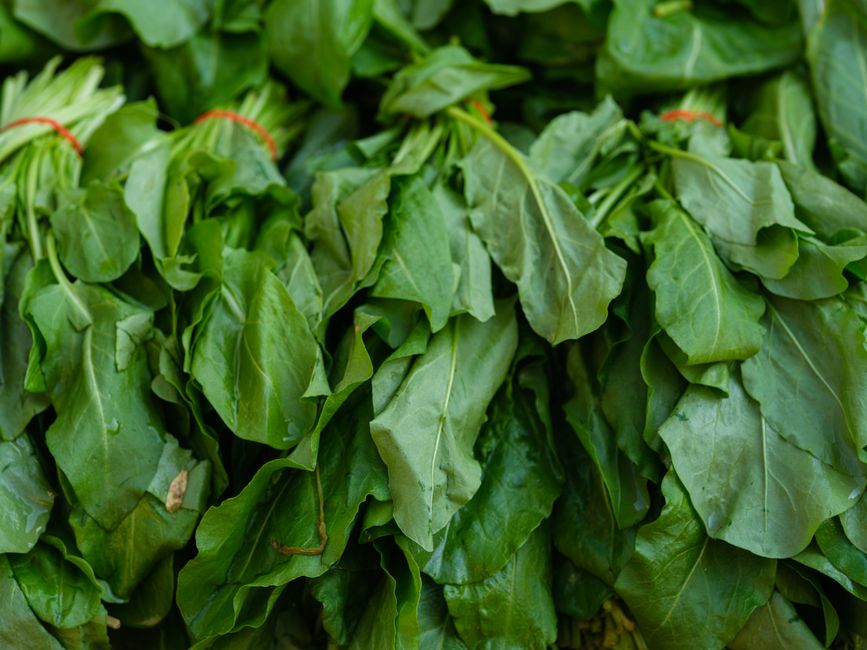
Spinach is famous for being high in iron, and that reputation is well-earned. A half-cup of cooked spinach contains about 3 milligrams of iron, while a cup of raw spinach has less than 1 milligram. However, the type of iron in spinach is not absorbed by the body as efficiently as the iron found in meat, which is why pairing spinach with vitamin C or other iron sources matters for your overall intake.
How Much Iron Is Actually In Spinach?
The exact amount depends entirely on how you prepare it. Raw spinach is mostly water, so the iron content per serving looks small. Cooked spinach is more concentrated because the water cooks out and the leaves shrink down.
Here is the standard nutritional breakdown based on USDA data:
- 1 cup raw spinach: about 0.8 milligrams of iron
- 1/2 cup cooked spinach: about 3 milligrams of iron
- 100 grams raw spinach: about 2.7 milligrams of iron
- 100 grams cooked spinach: about 3.6 milligrams of iron
For context, the recommended daily allowance for iron is 8 milligrams for adult men and 18 milligrams for women aged 19 to 50. Women need more because of menstrual blood loss. After menopause, the recommendation for women drops to 8 milligrams per day.
Eating a full cup of cooked spinach gives you roughly one-third of a man’s daily iron needs. For a premenopausal woman, it covers about one-sixth of the daily target. That is meaningful, but it is not enough on its own to meet your full requirement.
Why The Body Absorbs Less Iron From Spinach Than From Meat
Spinach contains what is called non-heme iron. This is the plant form of iron. Meat, poultry, and fish contain heme iron, which comes from hemoglobin and myoglobin in animal tissue.
Heme iron is absorbed much more efficiently — roughly 15 to 35 percent of heme iron gets into your bloodstream. Non-heme iron absorption sits somewhere between 2 and 20 percent. The exact rate depends on your current iron stores and what else you eat at the same meal.
Spinach also contains oxalates. These are natural compounds that bind to iron and other minerals in the digestive tract. When oxalates bind to iron, they reduce how much of it your body can actually use. This is a key reason why spinach’s iron content on paper does not translate to an equal amount of iron absorbed in practice.
That does not mean spinach is a poor iron source. It means you need to think about absorption, not just the raw number on a nutrition label.
How To Get More Iron From Spinach
The most effective way to improve non-heme iron absorption is to eat it alongside vitamin C. Vitamin C keeps iron in a form that is easier for your body to absorb. It can significantly increase the amount of non-heme iron that crosses your intestinal lining.
Practical pairings include:
- Spinach salad with strawberries or citrus segments
- Cooked spinach with a squeeze of lemon juice
- Spinach sautéed with bell peppers
- Spinach in a tomato-based sauce
Cooking spinach also helps in two ways. First, it reduces oxalate content by leaching some oxalates into the cooking water. Second, it concentrates the spinach, so you eat more plant matter in a smaller volume. Both effects work in favor of iron absorption.
Avoid drinking coffee or tea with your spinach-heavy meal if you are trying to maximize iron uptake. The tannins in both beverages bind to non-heme iron and reduce absorption. Calcium also interferes with iron absorption, so eating spinach with a large glass of milk or a cheese-heavy dish is not ideal for iron purposes.





Who Actually Needs To Worry About Iron From Spinach
Iron deficiency is the most common nutritional deficiency worldwide. Some groups face higher risk than others.
People at higher risk include:
- Premenopausal women, especially those with heavy periods
- Pregnant women
- Vegetarians and vegans, since they rely entirely on non-heme iron
- People with gastrointestinal conditions that affect absorption
- Frequent blood donors
- Athletes who do intense endurance training
If you fall into one of these groups, spinach can be part of the solution, but it probably will not be the whole solution. A vegetarian or vegan diet requires deliberate planning to meet iron needs because plant iron is absorbed less efficiently. Combining spinach with other iron-rich plant foods like lentils, beans, tofu, and fortified cereals is more realistic than relying on spinach alone.
For people who eat meat, spinach is a helpful side dish, but red meat, poultry, and fish remain the most bioavailable sources of iron. Your body pulls more iron from a 3-ounce serving of beef than it does from a large spinach salad, even when the total iron content looks similar on paper.
Can You Get Too Much Iron From Spinach
It is very difficult to get too much iron from food alone. Spinach is not a toxicity risk. Your body regulates how much non-heme iron it absorbs based on your current iron stores. If your iron levels are adequate, absorption drops.
Iron toxicity is a real concern, but it comes from supplements, not vegetables. Accidental iron overdose is a leading cause of poisoning deaths in young children, which is why iron supplements must be kept out of reach.
There is one condition to be aware of: hemochromatosis. This is a genetic disorder that causes the body to absorb too much iron from food. People with this condition can accumulate dangerous levels of iron over time. They may be advised to limit iron-rich foods including spinach, though dietary changes alone are rarely sufficient to manage the condition. Medical treatment, usually regular blood removal, is the standard approach.
If you have been diagnosed with hemochromatosis or have a family history of it, talk to your doctor about your diet. Do not assume that avoiding spinach is enough on your own.
Does Raw Or Cooked Spinach Have More Iron
Cooked spinach has more iron per cup. That is a simple function of water loss. When spinach cooks, it wilts dramatically. A full pound of raw spinach reduces to about one cup of cooked spinach.
If you compare equal weights — 100 grams raw versus 100 grams cooked — the difference is smaller. Cooked spinach still comes out ahead because some water is removed during cooking. But the practical difference for most people is about serving size.
It takes a very large bowl of raw spinach to match the iron in a modest serving of cooked spinach. For people trying to increase iron intake, cooked spinach is the more efficient choice. For people who prefer raw salads, that is fine — just be aware you need to eat a larger volume and pair it with vitamin C to get comparable benefit.
How Spinach Compares To Other Iron-Rich Foods
Spinach is a good source of iron, but it is not the most iron-dense food available. Comparing it to other common sources gives useful perspective.
| Food | Iron per serving |
|---|---|
| Cooked spinach (1/2 cup) | ~3 mg |
| Lentils (1 cup cooked) | ~6.6 mg |
| White beans (1 cup cooked) | ~6.6 mg |
| Chickpeas (1 cup cooked) | ~4.7 mg |
| Ground beef (3 oz cooked) | ~2.5 mg |
| Fortified breakfast cereal (1 serving) | ~18 mg (varies by brand) |
Legumes actually contain more iron per serving than spinach. The advantage of spinach is that it is versatile, easy to eat in large quantities when cooked, and comes packaged with other nutrients like folate, vitamin K, and magnesium.
Fortified cereals are worth mentioning because they deliver a very high dose of iron in one sitting. The iron in fortified cereals is non-heme, so absorption is still affected by the same factors that affect spinach. But the sheer amount means you absorb more total iron even at a lower absorption percentage.
Signs You Might Be Low On Iron
Iron deficiency develops gradually. Many people do not notice symptoms until their stores are quite low. Common signs include fatigue, weakness, pale skin, shortness of breath during routine activity, cold hands and feet, and brittle nails.
These symptoms are not specific to iron deficiency. Many other conditions cause similar complaints. The only reliable way to know your iron status is a blood test. A doctor can check your hemoglobin, ferritin, and other markers to determine whether you are deficient.
Do not self-diagnose iron deficiency and start taking supplements on your own. Taking iron when you do not need it can cause constipation, nausea, and in rare cases, iron overload. If you suspect a problem, get tested first.
Frequently Asked Questions
How much iron is in a cup of raw spinach?
A cup of raw spinach contains about 0.8 milligrams of iron. Because raw spinach is mostly water, you would need to eat a very large amount to get a significant iron dose.
Is cooked spinach better for iron than raw spinach?
Yes, cooked spinach delivers more iron per serving because cooking removes water and concentrates the leaves. A half-cup of cooked spinach has about 3 milligrams of iron compared to roughly 0.8 milligrams in a cup of raw spinach.
Does spinach block iron absorption?
Spinach contains oxalates that reduce how much of its iron your body absorbs. You can improve absorption by eating spinach with vitamin C-rich foods like lemon juice, tomatoes, or bell peppers.
Can I rely on spinach alone to treat iron deficiency?
No, spinach alone is unlikely to correct iron deficiency. The iron in spinach is non-heme and absorbed less efficiently than meat-based iron, so treating deficiency usually requires dietary changes across multiple food sources or iron supplements under medical supervision.
