
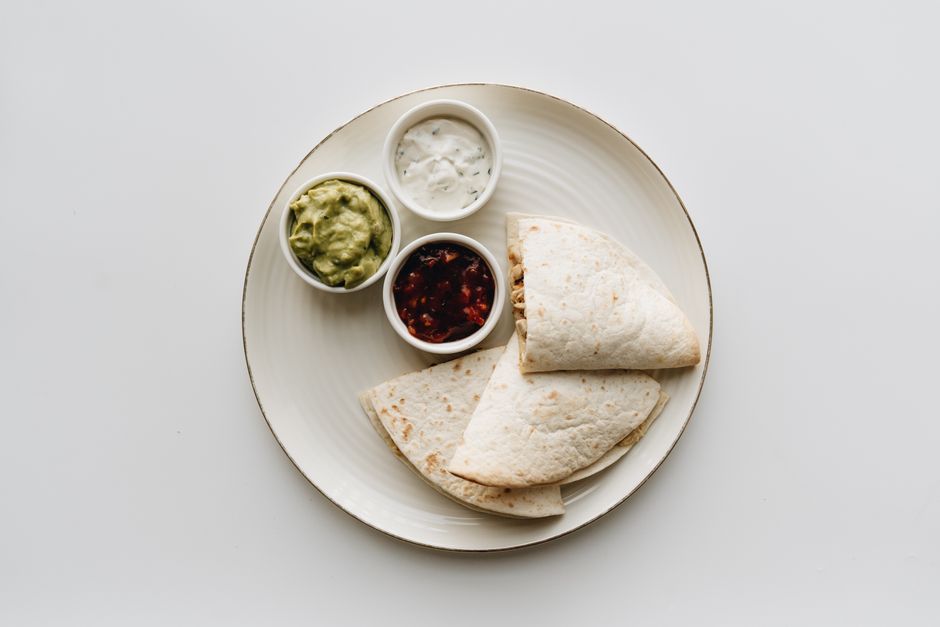
How To Tell If Tortillas Are Bad Or Safe To Eat?
The fastest way to judge a tortilla is to look at it before you touch it. Mold is the clearest sign of spoilage. On flour tortillas, mold often appears as fuzzy spots that are green, black, or white. On corn tortillas, mold can look like gray or blue-green patches that blend in with the corn color, so check carefully in natural light.
If there is no mold, pick the tortilla up. A fresh tortilla is pliable and soft. A bad tortilla often feels dry, brittle, or stiff at the edges. In some cases, especially with flour tortillas that have absorbed moisture, they can feel slimy or sticky. A slimy texture means bacteria are growing, and the tortilla is not safe to eat.
Smell is the next test. Fresh tortillas have a mild, doughy, or toasted corn aroma. A sour, yeasty, or otherwise “off” smell is a strong warning sign. Trust your nose here. If the smell makes you hesitate, do not eat it.
Why Do Tortillas Spoil Differently?
Tortillas spoil differently because they are made with different ingredients. Flour tortillas contain fats and oils, usually from lard, vegetable shortening, or butter. These fats can go rancid over time. A rancid flour tortilla may not show mold, but it will have a sharp, unpleasant, or paint-like smell. Rancidity is a chemical change, not a bacterial one, but the tortilla is still not good to eat.
Corn tortillas are typically made from masa harina, water, and sometimes a small amount of lime. They have less fat than flour tortillas. This means they are less likely to go rancid, but they are more prone to drying out and cracking. They are also highly susceptible to mold because of their moisture content.
The way tortillas are packaged matters too. Store-bought tortillas in the bread aisle often contain preservatives like calcium propionate or sorbic acid. These slow down mold growth. Tortillas from a local tortilleria or fresh bakery usually have no preservatives. They will spoil much faster, sometimes within a few days.
How Long Do Tortillas Actually Last?
The shelf life of a tortilla depends heavily on the type and storage method. An unopened package of commercial flour tortillas can last one to two weeks past the “best by” date if stored in the pantry. Once opened, they typically last about one week in the pantry or up to two weeks in the refrigerator.
Corn tortillas have a shorter life. Unopened, they last about one to two weeks in the pantry. Once opened, they last about four to seven days in the refrigerator. Fresh tortillas from a tortilleria, which contain no preservatives, should be eaten within two to three days if kept at room temperature. Refrigerating them can extend that to about one week.
Freezing is the best way to extend the life of any tortilla. Properly wrapped in plastic or foil, tortillas can last in the freezer for up to three months without a significant loss of quality. Frozen tortillas should be thawed in the refrigerator or at room temperature, not in the microwave, to avoid a rubbery texture.




Is The “Best By” Date A Safety Date?
No. The “best by” date on a package of tortillas is a quality date, not a safety date. It tells you when the manufacturer believes the product will be at its peak flavor and texture. It does not mean the tortillas are dangerous the day after that date.
The “use by” date is different. That date is about safety. However, tortillas rarely carry a “use by” date. If they do, you should follow it. For “best by” dates, use your senses instead. A tortilla can be perfectly safe to eat several days past its “best by” date if it shows no signs of spoilage. Conversely, a tortilla can go bad before that date if it was stored improperly, such as being left in a hot car or stored near a heat source.
Can You Cut Off The Moldy Part And Eat The Rest?
No. You should not cut mold off a tortilla and eat the rest. This is a common mistake that can make you sick.
Mold on soft foods like tortillas has roots that spread invisibly through the entire product. The fuzzy spots you see on the surface are only the reproductive part of the mold. The actual organism, called hyphae, penetrates deep into the food. Cutting off the visible mold does not remove the invisible roots.
Additionally, some molds produce mycotoxins. These are toxic compounds that can cause nausea, vomiting, or more serious illness in some people. You cannot see or taste these toxins. The safest action is to discard the entire package if you find mold on any tortilla. Do not try to salvage the clean-looking ones in the same bag, as mold spores have likely spread to them already.
How Should You Store Tortillas To Keep Them Safe?
Proper storage is the most effective way to prevent spoilage. For short-term use, keep tortillas in their original packaging in a cool, dry pantry. The pantry keeps them soft and ready to use. However, the pantry is not ideal for long-term storage because heat and humidity accelerate mold growth.
For longer storage, the refrigerator is better. The cold temperature slows down the growth of mold and bacteria significantly. The trade-off is that refrigeration can dry out tortillas and make them stiff. To minimize this, keep them in an airtight container or a resealable plastic bag. You can also place a paper towel inside the bag to absorb excess moisture.
The freezer is the best option for long-term storage. Place the entire unopened package in a freezer bag, or separate tortillas with parchment paper before freezing so they do not stick together. When you are ready to use them, thaw only what you need. Refreezing thawed tortillas degrades their texture and increases the risk of bacterial growth.
Do Homemade Tortillas Spoil Faster?
Yes, homemade tortillas spoil much faster than store-bought ones. Homemade tortillas contain no preservatives. They are also often made with fresh fats like butter or lard, which can go rancid more quickly than processed shortenings.
Homemade flour tortillas are best eaten within two days when stored at room temperature in a sealed container. They can last up to five days in the refrigerator. Homemade corn tortillas have a similar lifespan. Because they lack preservatives, they are more likely to develop mold, especially if stored in a humid environment.
If you make a large batch of tortillas, freeze them immediately after they cool. This locks in their freshness. Homemade tortillas that have been frozen and thawed are often indistinguishable from fresh ones, provided they were wrapped tightly to prevent freezer burn.
Frequently Asked Questions
Can tortillas give you food poisoning?
Yes, spoiled tortillas can cause food poisoning. Bacteria like Bacillus cereus and molds can grow on tortillas stored improperly, leading to symptoms like nausea, vomiting, and diarrhea.
Why do my tortillas smell like ammonia?
An ammonia smell in tortillas is a sign of bacterial spoilage, not normal aging. The tortillas are no longer safe to eat and should be thrown away immediately.
Is it safe to eat tortillas that are dry and cracked?
Dry and cracked tortillas are safe to eat if they have no mold and no off smell. The texture will be poor, but they are not spoiled. You can rehydrate them by heating them in a damp towel.
Can I eat tortillas that were left out overnight?
Yes, tortillas left out overnight are generally safe to eat if they were covered and the room was not excessively hot. Because they are low-moisture foods, they do not spoil as quickly as cooked meats or dairy.
