
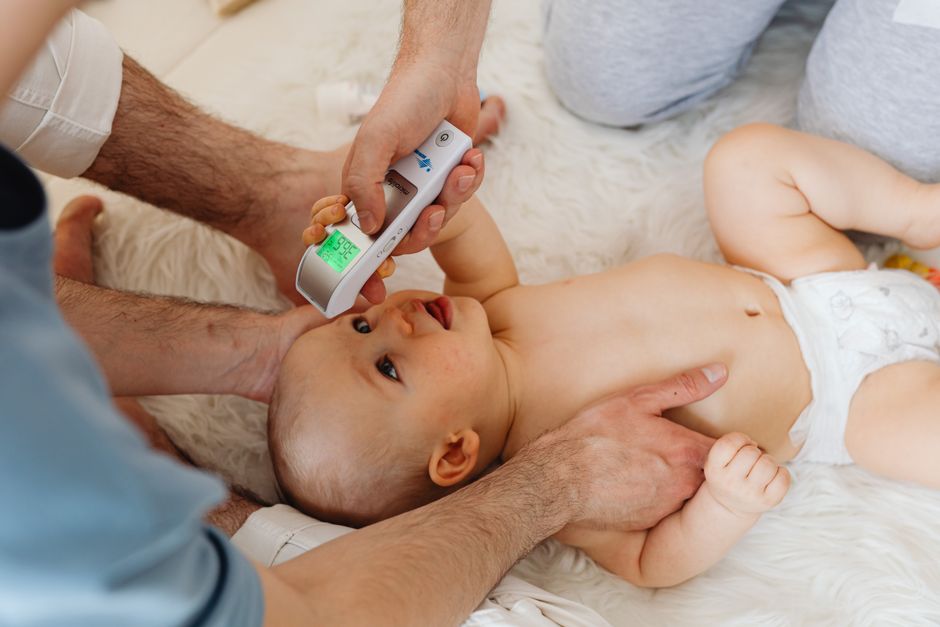
If your infant is pulling at their ear, crying more than usual, and running a fever, an ear infection is a real possibility. The most reliable signs are a fever, trouble sleeping, and fussiness that seems to worsen when they lie down. However, pulling at the ear alone is not a dependable sign, as many healthy babies do this simply out of curiosity or during teething.
What Are the Most Common Signs of an Ear Infection in Infants?
Infants cannot tell you their ear hurts, so you have to watch for changes in behavior. The classic signs include a sudden fever, often above 100.4°F, increased irritability, and difficulty sleeping. Babies with ear infections frequently cry more when lying flat because the change in pressure inside the middle ear causes pain.
Another common sign is a decrease in appetite. Sucking and swallowing can be painful for a baby with an ear infection because the movement affects the pressure in the middle ear. If your baby starts breastfeeding or bottle-feeding and then pulls away crying, this can be a strong clue.
You might also notice fluid draining from the ear. This happens if the eardrum has burst, which sounds alarming but often provides immediate pain relief. The fluid may be clear, yellow, or bloody. If you see this, it is a clear sign of an infection that needs medical attention.
How Is an Ear Infection Diagnosed in a Baby?
You cannot diagnose an ear infection at home. Only a doctor can confirm it by looking at the eardrum with an otoscope, a special light instrument. The doctor looks for a bulging, red eardrum that does not move well when a puff of air is directed at it.
This exam is the only reliable way to know for sure. Many viral colds cause fluid to build up behind the eardrum without an active infection. This condition, called otitis media with effusion, does not require antibiotics. The doctor’s exam distinguishes between fluid that is simply present and fluid that is infected.
If you suspect an ear infection, call your pediatrician. They will want to see your baby to confirm the diagnosis and decide on treatment. Do not try to look inside your baby’s ear yourself with a home otoscope, as it is very easy to misinterpret what you see.
What Causes Ear Infections in Infants?
Ear infections happen when the middle ear becomes inflamed and filled with fluid. The middle ear is connected to the back of the throat by a short tube called the Eustachian tube. In infants, this tube is shorter, wider, and positioned more horizontally than in older children and adults.
This anatomy makes it easier for fluid to get trapped. When a baby has a cold, the virus causes swelling in the nasal passages and the Eustachian tube. The tube swells shut, trapping fluid in the middle ear. If bacteria or viruses grow in that trapped fluid, an infection develops.
Several factors increase the risk. Bottle-feeding while lying flat can allow milk to flow into the Eustachian tube. Exposure to secondhand smoke irritates the lining of the tube and increases swelling. Attending daycare also increases exposure to the viruses that trigger the chain of events leading to infection.





When Should You Take Your Baby to the Doctor?
You should call your doctor the same day if your baby is under 6 months old and shows any signs of illness with a fever. For older infants, call if the fever lasts more than a couple of days or if your baby seems unusually miserable. It is always better to be checked than to wait.
Seek emergency care if your baby seems lethargic, has a stiff neck, or is difficult to wake. These can be signs of a more serious infection. Also seek urgent care if your baby is under 3 months old with a rectal temperature of 100.4°F or higher, as this requires immediate evaluation regardless of other symptoms.
Trust your instincts. If you feel something is wrong and your baby is not acting like themselves, a doctor visit is reasonable even if the signs are subtle. A brief exam that shows no infection is far better than missing one that needs treatment.
How Are Infant Ear Infections Treated?
Treatment depends on the baby’s age and the severity of the infection. For infants under 6 months, doctors typically prescribe antibiotics immediately because the risks of complications are higher. For older infants and toddlers, the doctor may recommend a wait-and-see approach for mild infections.
This waiting period is common in current pediatric practice. Many ear infections are viral and resolve on their own within a few days. The body’s immune system clears the fluid without antibiotics. If the infection is bacterial, the antibiotics will not help if the cause is viral, so waiting avoids unnecessary medication.
If antibiotics are prescribed, give the full course exactly as directed. Stopping early can allow the infection to return. Your baby should show improvement within 48 to 72 hours of starting antibiotics. If there is no improvement in that window, call your doctor.
For pain relief, ask your pediatrician about appropriate dosing of infant acetaminophen or ibuprofen. Ibuprofen is only approved for infants older than 6 months. Never give aspirin to a child, as it is linked to Reye’s syndrome, a rare but serious condition.
Can You Prevent Ear Infections?
You cannot prevent every ear infection, but you can reduce the frequency. Breastfeeding for at least the first six months is associated with fewer ear infections, likely because it provides immune protection and the mechanics of sucking differ from bottle-feeding.
If you bottle-feed, hold your baby at a 45-degree angle or more upright during feedings. Do not prop the bottle. Avoid letting your baby take a bottle to bed, as milk pooling in the mouth can flow into the Eustachian tube.
Keep your home smoke-free. Exposure to cigarette smoke is one of the strongest modifiable risk factors for ear infections. Also, stay current on vaccinations. The pneumococcal vaccine and the flu vaccine both help prevent infections that can lead to ear infections.
Practice good hand hygiene to reduce the spread of colds. Fewer colds mean fewer opportunities for fluid to become trapped and infected. If your baby attends daycare, you may not be able to avoid all exposures, but you can limit contact with obviously sick children when possible.
How Long Does an Ear Infection Last?
Most ear infections clear up within a few days to a week. Even without antibiotics, many infections resolve within 72 hours. The fluid behind the eardrum, however, can linger for weeks or even months after the infection itself is gone.
This lingering fluid is normal and usually not a cause for concern. It can cause temporary muffled hearing. In most cases, the fluid drains on its own without treatment. The doctor will likely schedule a follow-up visit in four to six weeks to confirm the fluid has cleared.
If fluid persists for three months or longer and affects hearing, the doctor may discuss further options. Repeated infections, defined as three infections in six months or four in a year, may also prompt a discussion about ear tubes. These are small tubes surgically placed in the eardrum to ventilate the middle ear and prevent fluid buildup.
Frequently Asked Questions
Can teething cause an ear infection?
Teething does not cause ear infections, but it can cause similar symptoms like fussiness and ear pulling. The pain from teething is referred to the ear area because of shared nerve pathways, which makes it easy to confuse the two.
Is ear pulling a reliable sign of an ear infection?
No, ear pulling alone is not a reliable sign. Many healthy infants pull at their ears when they are tired, curious, or teething, so it must be combined with other signs like fever and irritability to be meaningful.
Can a baby get an ear infection from water in their ears?
No, water in the outer ear canal does not cause middle ear infections. Middle ear infections are caused by fluid buildup behind the eardrum, usually following a cold, not by water from bathing or swimming.
Do all infant ear infections need antibiotics?
No. Many ear infections are viral and resolve on their own. For infants over 6 months with mild symptoms, doctors often recommend watching and waiting for 48 to 72 hours before starting antibiotics.
