
Asparagus is a spring vegetable that does not last forever. You can tell it is bad by looking for a few clear signs: slimy stalks, a strong unpleasant smell, or a dried-out, wrinkled texture. If you see any of these, the asparagus has passed its prime and should be thrown away. Knowing what to look for helps you avoid waste and keeps your meals safe and tasty.
What Does Fresh Asparagus Look Like?
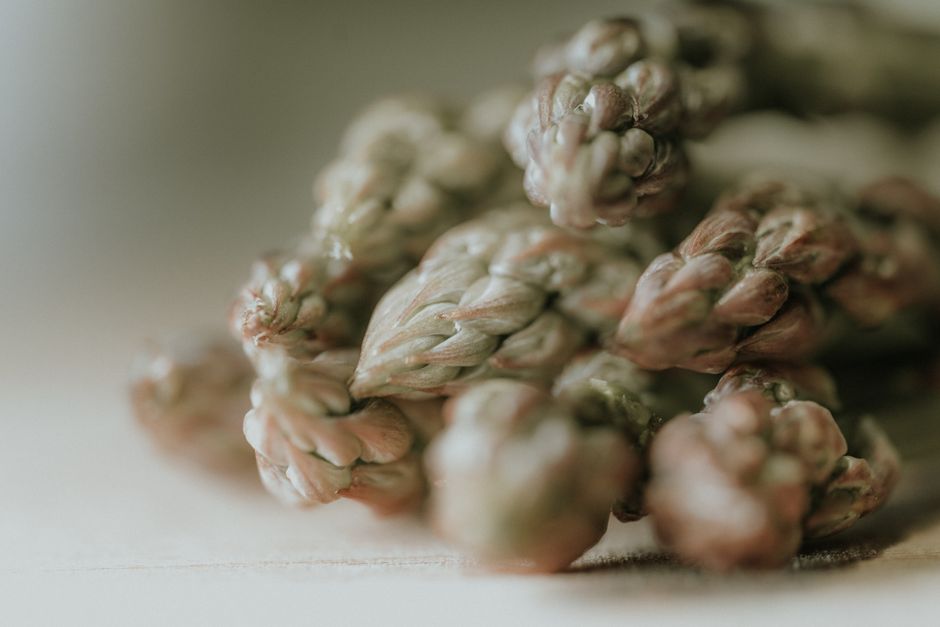
Fresh asparagus has firm, smooth stalks. The tips, or spears, should be tightly closed and compact. They should not look mushy or spread open like a fern.
The cut ends should look moist, not cracked or deeply dried out. Color matters too. Fresh asparagus is vibrant green, or purple-green depending on the variety. White asparagus is a separate type grown without sunlight.
When you pick up a bunch, the stalks should snap if you bend them near the bottom. Limp, bendable stalks that flop over are a sign of age and moisture loss.
Signs Your Asparagus Has Gone Bad
Check these four things before cooking or eating asparagus.
1. Slimy Texture
Slime is the most reliable sign of spoilage. Run your fingers along the stalks and tips. A slippery or sticky film means bacteria or mold are growing. This is not safe to eat, even if you wash it. Once slime appears, discard the whole bunch.
2. Unpleasant Smell
Fresh asparagus has a mild, earthy scent. It does not smell like much at all. If it smells sour, fermented, or like rotting vegetables, it is bad. Trust your nose here — it will catch spoilage before your eyes do.
3. Wrinkled or Shriveled Skin
Asparagus loses moisture as it ages. The stalks start to look wrinkled, like a raisin. The cut ends may turn brown and dry out. Slight wrinkling at the very bottom is common. Wrinkling up the entire stalk means the vegetable is past its best.
4. Mushy Tips
The tips go bad first. Fresh tips are firm and tightly packed. Bad tips turn soft, dark, and wet. If the tips have turned into a mushy paste, the asparagus is spoiled.
Can You Eat Asparagus That Is Limp But Not Slimy?
Limp asparagus is not necessarily spoiled. It is just dehydrated. This is a quality issue, not a safety issue. You can often revive it.
Trim the dried ends and stand the stalks upright in a glass of cold water for an hour. Some people add an ice cube to speed this up. The stalks will absorb water and firm up again.
If the stalks are limp but have no slime and no bad smell, they are safe to cook. They may be slightly tougher and less flavorful than fresh ones. Roasting or grilling at high heat works better than steaming for older stalks.
Do not confuse limp with slimy. Limp means dry and bendable. Slimy means wet and slippery. Slimy is always a reason to throw asparagus out.





How Long Does Asparagus Actually Last?
Asparagus is perishable. It does not have a long shelf life compared to root vegetables or cabbage.
In the refrigerator, fresh asparagus typically lasts 3 to 5 days. This assumes you store it properly from the day you buy it. The clock starts at the grocery store, not when you get home. Asparagus that sat on a truck or in a warehouse for days will not last as long.
Proper storage makes a real difference. The best method is to treat asparagus like cut flowers. Trim the bottoms and stand the stalks upright in a jar or glass with about an inch of water. Cover the tops loosely with a plastic bag and refrigerate. Change the water every day or two.
If you do not want to use the water method, wrap the cut ends in a damp paper towel and place the bunch in a plastic bag. Leave the bag slightly open so air can circulate. Asparagus stored this way lasts about 3 to 4 days.
Do not wash asparagus before storing it. Extra moisture on the stalks encourages mold and slime. Wash it right before you cook it instead.
Can You Freeze Asparagus to Make It Last Longer?
Yes, freezing is a good option if you have more asparagus than you can eat in a few days. But you cannot just toss raw stalks into a freezer bag. That will give you a mushy, watery mess when it thaws.
Blanch the asparagus first. Blanching means boiling it briefly, then plunging it into ice water. This stops the enzymes that cause spoilage and helps the vegetable keep its color and texture.
To blanch asparagus: wash it, trim the woody ends, and cut the stalks to a uniform length. Boil thin stalks for 2 minutes and thick stalks for 3 minutes. Move them immediately to a bowl of ice water for the same amount of time. Drain well, pat dry, and pack into freezer bags. Squeeze out as much air as possible before sealing.
Frozen asparagus keeps for 8 to 12 months. It will not be as crisp as fresh asparagus after thawing. Use it in soups, stir-fries, omelets, or pasta dishes where texture matters less. Do not plan to serve thawed frozen asparagus raw — it will be too soft.
What Happens If You Eat Bad Asparagus?
Eating spoiled asparagus can make you sick. The bacteria and mold that cause slime and bad smells can cause food poisoning. Symptoms typically include nausea, stomach cramps, vomiting, or diarrhea.
Most healthy adults recover within 24 to 48 hours without medical treatment. Stay hydrated with water or an oral rehydration solution. See a doctor if symptoms are severe, last more than a couple of days, or if you have a high fever.
People with weakened immune systems, pregnant women, young children, and older adults face higher risk from spoiled food. They should be extra careful and avoid eating any asparagus that shows signs of spoilage.
Food poisoning from vegetables is less common than from meat or dairy, but it happens. Do not take the risk to save a few dollars. A bunch of asparagus costs less than a trip to urgent care.
How to Choose the Freshest Asparagus at the Store
Buying fresh asparagus starts with smart shopping. Look for stalks that are firm, straight, and uniform in thickness. Thicker stalks are not older — thickness is just a variety difference. Thin stalks are more tender; thick stalks have more flavor and hold up better to grilling.
Check the cut ends. They should look moist and freshly cut, not cracked or deeply dried. The tips should be tightly closed with no signs of flowering or mushiness.
Give the bunch a gentle squeeze. It should feel dense, not hollow or spongy. Some stores sell asparagus in bunches with rubber bands. If you can, check the middle stalks, not just the ones on the outside. Spoilage often starts in the center where air circulation is poor.
Buy asparagus the day you plan to use it if possible. It is one of the most perishable vegetables in the produce section. Even with perfect storage, it loses sweetness and tenderness every day it sits in your fridge.
Does Cooked Asparagus Go Bad Faster Than Raw?
Yes. Cooked asparagus spoils faster than raw asparagus. Cooking breaks down cell walls and creates moisture that bacteria love.
Cooked asparagus lasts 3 to 5 days in the refrigerator when stored in an airtight container. Cool it completely before refrigerating. Putting hot asparagus in a sealed container creates condensation, which speeds up spoilage.
Reheat cooked asparagus only once. Repeated heating and cooling cycles increase the risk of bacterial growth. If you cooked a large batch, portion it out before refrigerating so you only reheat what you will eat.
Leftover asparagus that smells sour, looks slimy, or has any off-color should be discarded. The same rules apply to cooked and raw asparagus — when in doubt, throw it out.
Frequently Asked Questions
Can you eat asparagus with brown tips?
Brown, dry tips mean the asparagus is old but not necessarily spoiled. Trim the brown parts off and check the rest of the stalk for slime or a bad smell before cooking.
Is it safe to eat asparagus that is slightly wrinkled?
Yes, slightly wrinkled asparagus is safe if it has no slime and no off smell. It will be drier and tougher, so soak the ends in water for an hour before cooking to improve texture.
How do you store asparagus to keep it fresh longer?
Stand trimmed stalks upright in a glass with an inch of water, cover loosely with a plastic bag, and refrigerate. Change the water daily for the longest shelf life.
Can you get food poisoning from old asparagus?
Yes, spoiled asparagus can cause food poisoning with symptoms like nausea, vomiting, and diarrhea. Discard any asparagus that is slimy, smells bad, or shows visible mold.
