
An ingrown hair happens when a hair curls back or grows sideways into the skin. Most are just annoying bumps that go away on their own. But sometimes bacteria get in and cause an infection. The key difference is simple: a normal ingrown hair is red and a little tender. An infected one gets worse, not better. You will see more redness spreading, pus that is thick and yellow or green, and the area will feel hot to the touch or increasingly painful over days instead of improving.
What Are the First Signs of an Infected Ingrown Hair?
Early signs of infection look different from a standard irritation. A regular ingrown hair often forms a small, firm bump that may look like a pimple. It might have a little clear fluid or a tiny white head. That is usually just the skin reacting to the hair under the surface.
Infection changes the picture. The bump becomes larger and more inflamed. Redness spreads beyond the original spot. You may notice a yellow or green pus that is thick, not thin and watery. The area feels warm or hot compared to the skin around it. Pain increases rather than fading. These are the body’s immune response fighting bacteria, and they signal that the irritation has moved into infection territory.
Research published in the Journal of the American Academy of Dermatology notes that staphylococcus bacteria are the most common cause of these infections. They enter through the tiny break in the skin where the hair punctured it. The body sends white blood cells to fight the bacteria, which creates pus and heat.
How To Tell If An Ingrown Hair Is Infected vs. Just Irritated
This is the most common question people have. The table below shows the clear differences so you can compare your symptoms side by side.
| Symptom | Normal Ingrown Hair | Infected Ingrown Hair |
|---|---|---|
| Redness | Small, contained to the bump | Spreading outward from the bump |
| Pain | Mild tenderness when touched | Throbbing or increasing pain without touching |
| Temperature | Normal skin temperature | Warm or hot to the touch |
| Drainage | Clear fluid or tiny white head | Thick yellow or green pus |
| Swelling | Small firm bump | Larger, soft, or puffy area |
| Healing | Improves within a few days | Gets worse over 2-3 days |
If you check off three or more of the infection symptoms, it is likely infected. The most reliable single sign is spreading redness. A normal ingrown hair stays put. An infection travels outward because bacteria are multiplying and moving through the tissue.
When Should You See a Doctor for an Infected Ingrown Hair?
Most infected ingrown hairs can be managed at home with warm compresses and gentle cleaning. The CDC advises that you should see a doctor if the redness spreads more than an inch from the original bump. That is a sign the infection is not staying contained and may need prescription antibiotics.
Other reasons to seek medical care include a fever over 100.4°F, red streaks radiating from the spot, or if the area becomes very painful and you cannot move the nearby joint normally. These are signs the infection may be entering the bloodstream or deeper tissues, which is called cellulitis. Cellulitis requires oral antibiotics and should not be treated at home.
People with diabetes, a weakened immune system, or conditions that slow healing should have a doctor look at any infected ingrown hair early. What might be a minor infection for a healthy person can become serious much faster in these cases. The American Academy of Dermatology recommends that anyone with recurrent infections in the same spot also get checked, as it may indicate a hair follicle problem that needs medical treatment.


What Actually Works for Treating an Infected Ingrown Hair at Home?
If the infection is mild and you are otherwise healthy, you can try home treatment. The goal is to help the body drain the pus and reduce bacteria without making things worse. Warm compresses are the most effective tool. Apply a clean cloth soaked in warm water for 10-15 minutes three to four times a day. The heat increases blood flow to the area and helps the pus come to a head and drain naturally.
Do not squeeze or pick at the bump. Squeezing pushes bacteria deeper into the skin and can turn a small infection into a larger one. If the bump drains on its own, clean it gently with soap and water, then apply a thin layer of over-the-counter antibiotic ointment like bacitracin or polysporin. Cover it with a clean bandage to keep bacteria out.
Some people report success with tea tree oil or diluted apple cider vinegar. There is limited clinical evidence for these remedies. A 2016 study in the Journal of Microbiology and Antimicrobials found that tea tree oil has antibacterial properties in lab conditions, but that does not guarantee it works on skin infections. If you try it, dilute one drop of tea tree oil in a teaspoon of carrier oil like coconut or olive oil. Never apply it undiluted, as it can burn the skin.
What Common Mistakes Make an Infected Ingrown Hair Worse?
The biggest mistake is trying to dig the hair out with a needle or tweezers. This is widely shared as a home remedy online, but dermatologists strongly advise against it. Breaking the skin with a non-sterile tool introduces more bacteria. You can turn a surface infection into a deep one that requires antibiotics or even minor surgery to drain.
Another common error is covering the spot with heavy makeup or thick moisturizer. These products trap bacteria and moisture against the skin, which feeds the infection. Let the area breathe when possible. If you must cover it for work or social reasons, use a clean, breathable bandage and nothing else.
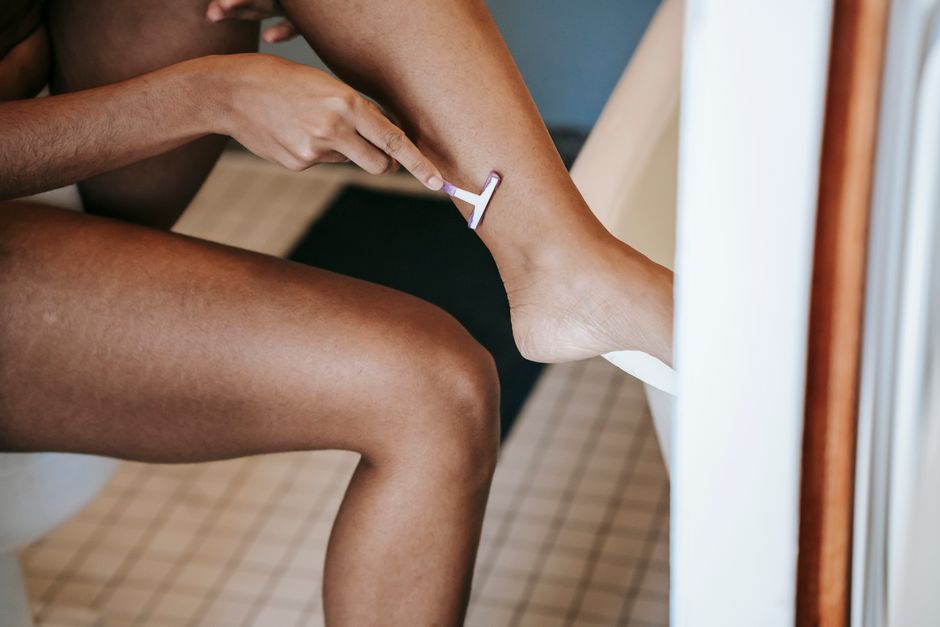
Shaving over an infected ingrown hair is also a bad idea. The razor blade can cut the inflamed bump open and spread bacteria across a wider area. Wait until the infection is fully healed before shaving that spot again. Some people also make the mistake of using harsh exfoliants or scrubs on an active infection. Scrubbing irritates the skin further and can rupture the bump, leading to more inflammation.
How Can You Prevent Ingrown Hairs From Getting Infected in the First Place?
Prevention starts with how you remove hair. Shaving is the most common cause of ingrown hairs. The American Academy of Dermatology recommends shaving in the direction the hair grows, not against it. Use a sharp, single-blade razor and replace it after five to seven shaves. Dull blades tug at hair and increase the chance of it growing back under the skin.
Exfoliate gently once or twice a week with a soft washcloth or a mild scrub. This removes dead skin cells that can trap hairs before they break through the surface. Do not overdo it. Harsh exfoliation damages the skin barrier and makes infection more likely.
- Shave with the grain, not against it
- Use a clean, sharp razor every time
- Apply a warm compress before shaving to soften hair
- Moisturize after shaving to keep skin flexible
- Avoid tight clothing over recently shaved areas
For people who get frequent ingrown hairs in the same spot, laser hair removal is the most effective long-term solution. A 2019 review in Dermatologic Surgery found that laser treatment reduced ingrown hairs by up to 80 percent after three to five sessions. It is expensive and not covered by most insurance for cosmetic reasons, but it may be worth it if you deal with recurrent infections.
If you shave the bikini area or underarms, consider using an electric trimmer instead of a razor. Trimmers leave hair slightly longer, which makes it less likely to curl back into the skin. This simple switch can cut your ingrown hair rate significantly, according to dermatologists at the Mayo Clinic.
Frequently Asked Questions
Can an infected ingrown hair heal on its own without treatment?
Mild infections sometimes clear on their own if the body fights off the bacteria, but most will get worse without some form of treatment.
Is it safe to pop an infected ingrown hair like a pimple?
No, squeezing pushes bacteria deeper into the skin and can cause a larger infection or scarring.
How long does an infected ingrown hair take to heal with antibiotics?
With oral antibiotics, most infections improve within 48 to 72 hours, though the bump may take a week or more to fully resolve.
Does putting toothpaste on an infected ingrown hair help?
No, this is a viral home remedy with no evidence behind it and it can irritate the skin further.
